


 The Better India
 How Maharashtra’s Farmers Built a 35000-Tonne Strawberry Empire From a Single Experiment
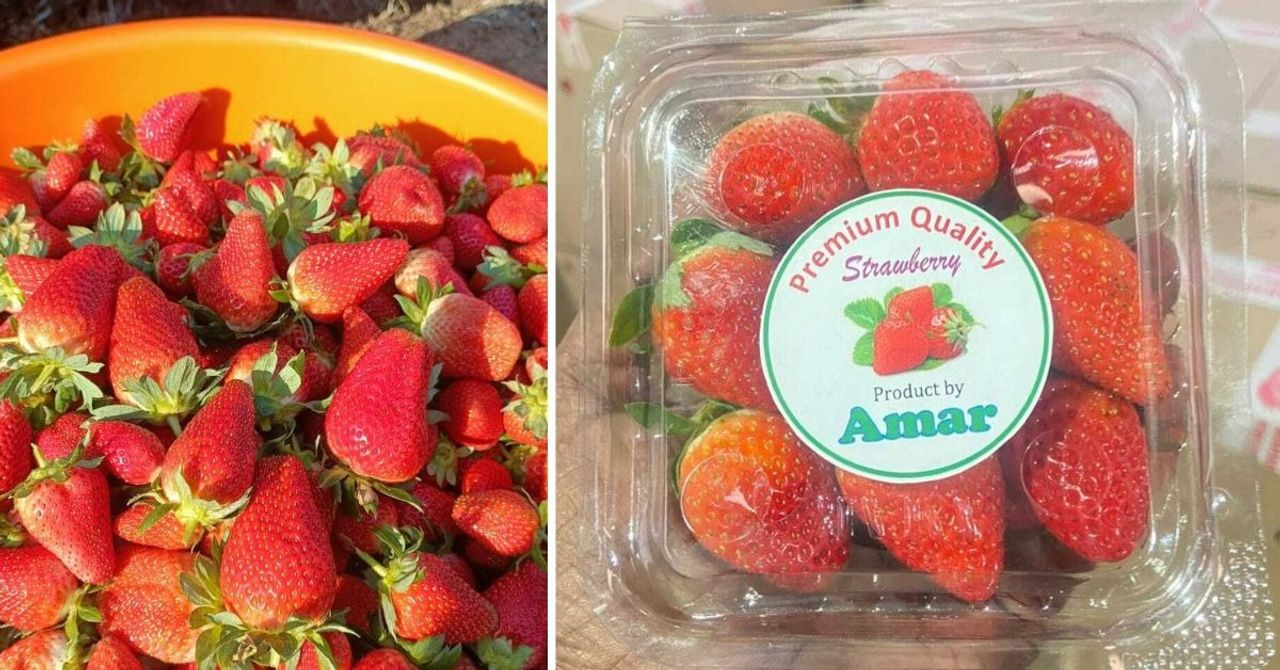
On winter mornings in western Maharashtra, strawberry fields glow under a soft veil of mist. Neat rows of low green plants stretch across red soil, dotted with bright berries that seem to hold tiny drops of sunshine. The air carries a faint sweetness, and the hills feel almost storybook-like. In the misty hamlet of Bhilarwadi near Panchgani, Anjana Dewasthale’s friend Shashikant Bhilare grows strawberries. Years ago, Anjana joined him for a “pick-your-own” experience, plucking bright red berries straight from the plants. Because his farm follows strict export standards, she did not have to worry about chemicals. She brought home a small sapling from that trip. To her surprise, it later bore fruit in the window garden of her apartment in Thane — a little piece of the hills thriving in the city. If you live in Pune, Thane, or Mumbai, you have probably heard similar stories. Strawberries — a low-growing plant from the Fragaria genus in the rose family — have become a favourite among urban gardeners, loved for their sweet, juicy fruit. Mahabaleshwar’s dominance The Mahabaleshwar–Panchgani belt produces more than 85% of India’s strawberries. From November to early March, the region transforms into a strawberry carnival: roads lined with billboards, roadside stalls offering blush-pink ice cream, milkshakes, jams, syrups, and the classic strawberries with fresh cream. On these gentle slopes, strawberries ripen under skies that rarely allow heavy rain. Dry air and steady warmth — between 18–25°C — create the perfect cradle for sweetness. Beneath them lies iron-rich red soil, nourishing each plant with quiet strength. Berries emerge: petite jewels, 2–5 cm long, soft and juicy, with a sweet-tart taste and a fragrance that lingers. Most farms are no larger than an acre, yet brim with care. Crop rotation keeps the soil healthy, ensuring each harvest carries the luscious flavour for which Mahabaleshwar is famed. Anatomy of a strawberry On cool hillside slopes, plants spread their green leaves — three to a cluster, each finely serrated. Small white flowers bloom on thin stalks, heralding fruit. Runners creep across the soil, rooting new plants. Soon, berries emerge: petite jewels, 2–5 cm long, soft and juicy, with a sweet-tart taste and a fragrance that lingers. Their colours range from ruby red to pale pink or even white. Once picked, they hold their freshness only briefly — a delicate gift from nature. A revolution in the fields Strawberry farming in India changed forever in 1992, when Balasaheb Bhilare of Bhilar village imported Chandler seedlings from California. His experiment transformed Bhilar into the heart of cultivation. Strawberry farming in India changed forever in 1992, when Balasaheb Bhilare of Bhilar village imported Chandler seedlings from California. In 2010, Mahabaleshwar strawberries earned the Geographical Indication tag, a stamp of authenticity. By the time Bhilare passed away in 2021, his legacy had spread across 4,000 hectares, with over 5,000 families producing 35,000 tonnes annually. Varieties and suppliers Unlike mangoes, strawberry varieties are less familiar to most consumers, even though Maharashtra cultivates 14 different types. Grown in Mahabaleshwar: R1 Nanja Sensation Sweet Sensation Nebula Melissa Parthenon Imported varieties cultivated in the region: Winter Dawn (California) Camarosa (California) Nabila (Italy) Elide (Italy) Muranno (Spain) UF/IFAS strains (Egypt) Suppliers such as SB Agritech, Hill Top Farms, Paramhans Agro Sciences, and Mauli Strawberry Farm provide planting material. SB Agritech, the leading importer since 1998, guides cultivation across 300+ hectares. Each year, nurseries in Wai propagate around 20 million seedlings, harvested as runners by September and replanted post-monsoon. Among the many suppliers to Pune’s market is Manohar Bhilare from Avakali village, a fourth-generation farmer who pioneered direct marketing in the 1990s. Ask any grower about strawberry varieties and they will put it simply: “Strawberries really fall into just two taste groups — sweet and tangy. The sweet ones include Nebula, R1, and Melissa. Winter Blow and Parthenon carry a mix of sweetness with a sharp edge. Of these, Parthenon is the toughest variety, which is why it is shipped to cities such as Bengaluru, Hyderabad, Chennai, and Kolkata.” From an acre of land, farmers typically earn between Rs 10 and 12 lakhs. Each acre holds about 25,000 plants, with saplings priced at Rs 10 to Rs 12 each. That means the initial planting costs hover around Rs 2.5 lakhs. Once you add irrigation, mulching, fertilisers, and labour, the investment climbs by another Rs 1.5 lakh. Beyond Mahabaleshwar In recent years, strawberry cultivation has expanded to Nashik, with Borgaon Ghatmatha in Surgana taluka emerging as a key hub. This tribal belt is known for varieties such as Selva Rani, Nabila, and Sweet Charlie. Other cultivation pockets include Nagshevadi, Ghodambe, Pohali, Sarad, Chikhali, Shinde, Hatgad, and Ghagbaari. In 2016, the Rotary Club of Nashik hosted the city’s first Strawberry Festival, though the event was discontinued after the Covid pandemic. Markets and traders “While Mahabaleshwar strawberries take around two hours to reach Pune, those from Nashik take five to six hours, depending on road conditions,” says Jaisaram Manumal, a trader at Pune’s Gul Tekdi Market Yard. Working with over 2,000 growers across 30,000 acres, the Bhilare family supplies more than 20 tonnes daily to dairy and bakery processors, supported by automated plants and cold storage facilities near Mapro Garden. Manumal, who has traded strawberries for three decades, adds: “During peak season — early February to mid-March — Pune’s wholesale market receives 6,000 to 7,000 kg daily from Mahabaleshwar and Nashik. I sell about 3,000 kg myself.” Grower profile: Manohar Bhilare Among the many suppliers to Pune’s market is Manohar Bhilare from Avakali village, a fourth-generation farmer who pioneered direct marketing in the 1990s. In 2012, he and his son Nilesh — a Food Science graduate — expanded into processing. Today, their enterprise produces IQF fruits, pulps, crushes, fillings, and toppings from strawberries, raspberries, blueberries, mangoes, guavas, and more. Working with over 2,000 growers across 30,000 acres, the Bhilare family supplies more than 20 tonnes daily to dairy and bakery processors, supported by automated plants and cold storage facilities near Mapro Garden. Manohar shares: “Our family cultivates two acres of strawberries. This year, the monsoon arrived late, so planting was delayed. But cooler weather lasted longer, which improved both quality and yield. Prices have remained steady at Rs 250–300 per kilogram. We earn between Rs 10 to Rs 12 lakhs per acre.” Consumer delight For Pune resident Nawaz Vijaykumar, strawberries are a family favourite: “We absolutely love them — at breakfast, lunch, and dinner. I came to strawberries late in life. On my first visit to Panchgani in 1998, I saw them growing low to the ground. Ripe ones look stunning against the green plants. I still pick the red one, hoping it might be sweet. More often than not, it leaves me with a sour face.” Visiting a strawberry farm Maharashtra’s strawberry capital offers several farms where visitors can pick fresh berries, especially in February. Families can enjoy guided tours, taste the classic cream-and-strawberries, and take in sweeping valley views. Popular spots include Laxmi Strawberry Farm in Avakali, Bhilar village farms, Green Valley Farm near Club Mahindra Sherwood Resort, and the iconic Mapro Garden along the Panchgani–Mahabaleshwar Road. And perhaps that is the true charm of the strawberry story in Maharashtra. It begins on mist-covered slopes in Bhilarwadi and Mahabaleshwar, where hands tend low green plants under winter skies. But it does not end there. It travels — in crates to city markets, in chilled trucks to distant states, and sometimes, in the form of a single sapling carried home after a weekend visit. Like the one that fruited in Anjana Dewasthale’s window garden in Thane, it carries with it the scent of red soil and cool hill air. From hillside farms to urban balconies, strawberries continue to bridge landscapes and lives — a small, bright reminder that even the most delicate fruit can root itself far beyond where it was first grown.