


 The Huffington Post
 The Sleep Position Mistakes That Are Messing Up Your Back
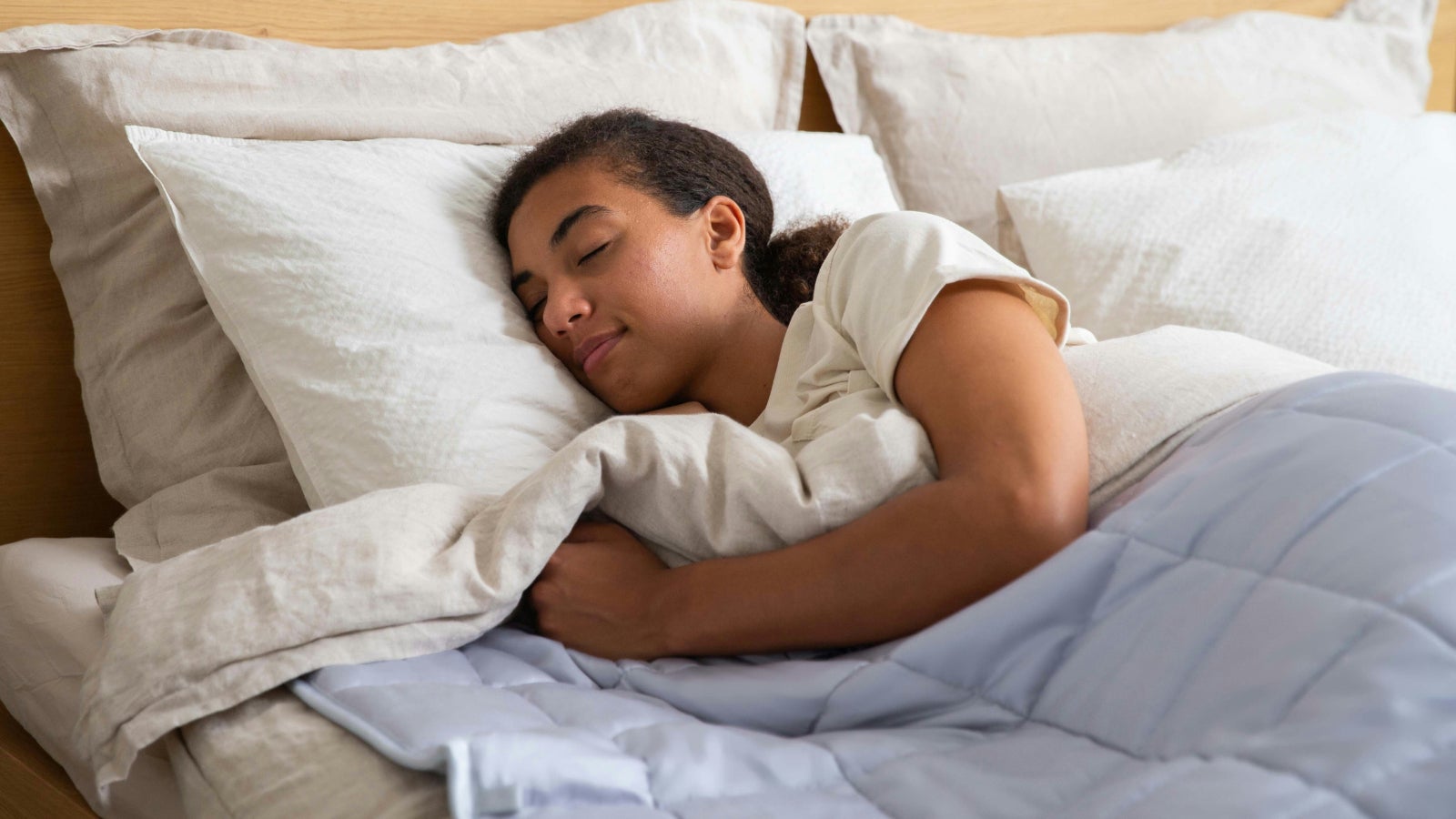
If you’re struggling with back pain , there are plenty of factors that could be causing it: from bad posture and pulled muscles to slipped discs, sciatica and, in rare cases, cancer or a broken bone. But it also turns out that how you sleep might be wreaking havoc on your lower back. As Fatema Contractor, consultant osteopath and director at The Health Suite in Leicester, told HuffPost UK: “Sleep takes up a third of our lives and how you sleep can make or break your spinal health. “Sleep is the most powerful recovery tool that we have, so it’s really important we’re sleeping in a way that promotes good quality rest.” The best sleep positions for your back Snoozing on your back or your side is generally considered to be the best position for your back, but there are still a few modifications that can be made if you find yourself suffering with aches and pains. “If you’re a back sleeper and find you have any pain, place a small pillow under your knees,” said the osteopath. “This will allow the strain to come off your lower back and for it to remain in a neutral position.” Side sleepers, meanwhile, are advised to place a pillow in between their knees while they are slightly bent, to keep the hips and spine in a neutral position. The worst sleep position for your back Unfortunately there’s one sleep position in particular that Contractor recommends avoiding at all costs – and that’s snoozing on your stomach. “If you’re a tummy sleeper, try to wean yourself off,” she warned. “This is because sleeping in this way forces your neck into rotation and stresses your lower back. “During the day this can mean you find yourself with a tight neck and shoulders and discomfort towards the bottom of your spine.” If you can’t seem to give up stomach sleeping, Dr Robert Griffin, a spine specialist at Hospital for Special Surgery (HSS), suggests adding a small, flat pillow under your lower belly or hips. “When you’re sleeping on your stomach, your spine may sag from its neutral position,” he told HSS . “Just a small amount of support in the midsection can help prevent that.” Coping with back pain Contractor concluded that anyone struggling with lower back pain should pay attention to the position they’re sleeping in, but if you’re in any way concerned then seek attention from a medical professional. “I always remind my patients that recovery isn’t just what happens while they are in the clinic. It’s the 23 other hours in the day that matter, too,” she said. “This means finding ways to sleep that promote proper alignment from your hips to your head.” For most people with lower back pain, staying active is key to good recovery, the NHS said . Stretches, core exercises and low-impact aerobic activity may all help. The osteopath added that anyone with severe or persistent pain, or back pain that’s accompanied by any other symptoms which cause concern, should speak to a doctor. Related... Sleeping Next To Your Partner Can Have A Real Impact On Your Sleep Your Bedside Table Can Decode A Lot About Your Sleep Health Our Sleep Habits Might Help To Detect Cold And Flu Crises Early