


 Joy 99.7 FM
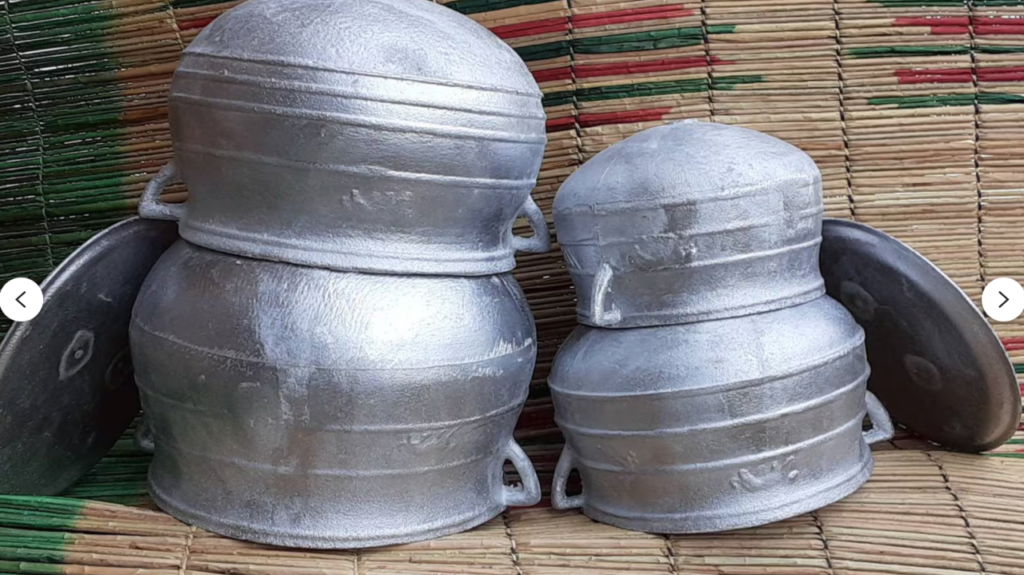
 Poison in our cooking pots: study links Ghana’s aluminium cookware to lead exposure: A policy commentary
In policy and public debates on environmental health, “evidence” is often demanded but then judged inconsistently by the seniority of the source, how recent the study is, or whether findings align with prior beliefs. What matters more is methodological rigour and transparency about limits. This commentary draws on a 2024 Scientific Reports paper describing Pure Earth’s Rapid Market Screening across 25 low- and middle-income countries, including Ghana[1], where researchers systematically purchased common consumer products from markets and tested them on-site using portable XRF, with laboratory confirmation on a subset. The study’s core contribution is pragmatic, as it demonstrates how rapid, field-based screening can identify plausible lead exposure sources in everyday items, particularly foodware, ceramics, and paints, thereby creating actionable signals for regulators and public health programmes.