


 The Huffington Post
 Falls With Toothbrushes Can Cause Stroke In Toddlers, Says Neurologist
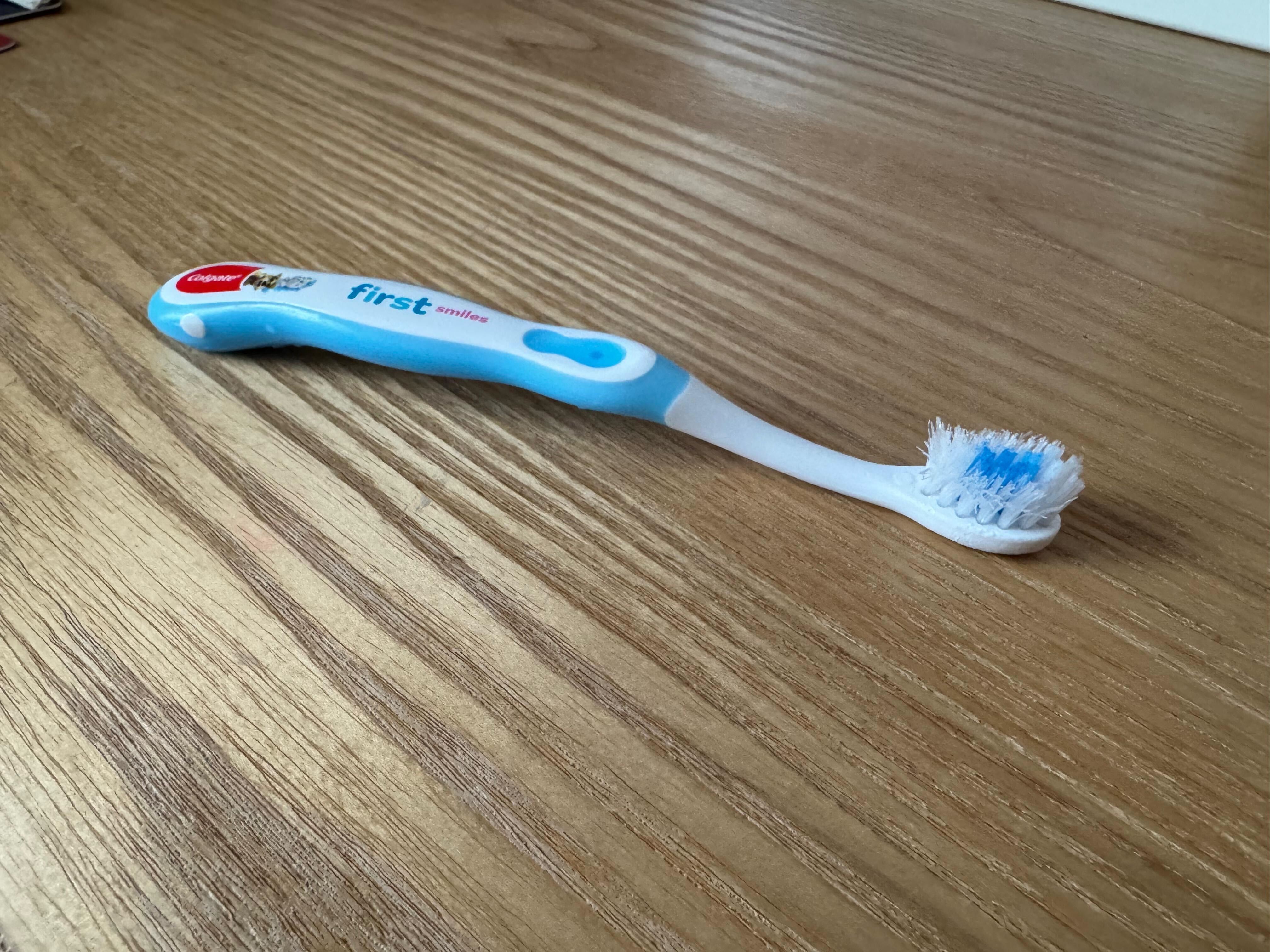
This article features medical advice from neurologist Baibing Chen . Anyone who has the pleasure of living with a toddler will know they often like to dart swiftly in the opposite direction, usually with something they shouldn’t have in their mouth. This isn’t ideal at the best of times, but when said object is a toothbrush, pencil, hard straw or utensil, parents should be moving ultra fast to stop them. In a video shared on Instagram , neurologist Baibing Chen – who goes by Dr Bing on social media – said if a child falls with an object in their mouth, it doesn’t just hurt. Alarmingly, it could also trigger something as sinister as stroke – even if there’s no bleeding involved. Dr Bing described how he once saw a young child who had been running around at home with a toothbrush in his mouth. (We all know where this is going...) Unfortunately the little one fell down and the toothbrush hit the back of his throat. His mum checked the inside of his mouth and couldn’t see any bleeding or obvious injury, so they went about their day as usual. But later on, Dr Bing revealed the boy suddenly couldn’t move the right side of his body, and he also started having trouble speaking. He was having a stroke. Why can this happen? While the toothbrush didn’t cut through anything, Dr Bing said the impact from the fall injured the carotid artery in the boy’s neck – “and when that artery gets damaged, and in this case a dissection happened, a clot can form, and that clot can then travel to the brain, [and] block blood flow, causing stroke”. The neurologist emphasised that the back of the throat sits very close to major blood vessels that supply the brain “and trauma in the area is not always traumatic or bloody, and sometimes the outside looks normal, but the inside is a completely different story”. In severe cases, the force of the toothbrush hitting the throat (and the artery) can cause a life-threatening haemorrhage . A review of toothbrush-related injuries in the US found most occurred in children younger than four years old. Dr Bing urged parents to teach children to not run around with sharp or blunt objects in their mouths. And if they do happen to do it anyway (because kids will be kids), swift intervention is key. “It’s a simple habit that can prevent a life-changing brain injury,” he ended. I, for one, will be taking his advice on board. Related... Children Hospitalised Due To London Measles Outbreak, UKHSA Warns My Son Was 1 Day Old When I Learned Our Family Had Been Exposed To Measles. Here's What Happened Next. A Doctor Gave Me Advice For Raising Toddlers. Now I Use It On Difficult Adults