


 RTHK English
 HK govt condemns 'takeover' of Panama ports
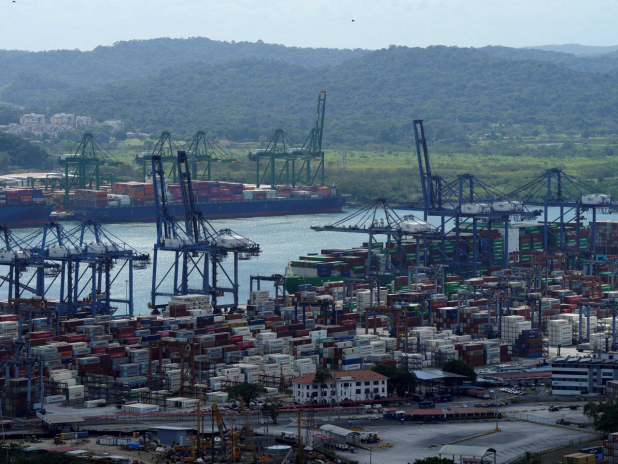
Secretary for Commerce and Economic Development Algernon Yau on Tuesday delivered a stern protest to the Panamanian Consul-General, expressing the SAR government's strong opposition to the country's takeover of ports run by CK Hutchison. This came after authorities in the Central American country officially cancelled contracts with the conglomerate to operate the ports of Balboa and Cristobal, near the Panama Canal. Yau said the SAR government was strongly dissatisfied and opposed to the move. "The forcible takeover and the revocation of operating rights... undermine the spirit of contract," he said in a statement. "[We] emphasise our firm support for and protection of the lawful rights and interests of Hong Kong enterprises overseas." A government spokesperson noted the Panamanian government took over the ports despite arbitration proceedings initiated by the company concerned, and that the SAR administration condemned the move and described it as "a brutal act". CK Hutchison, for its part, described the takeover as unlawful, stressing that the firm and its subsidiary operating the ports would continue to consult its lawyers and reserve all rights and recourse against the country and other parties. "None of the actions by the Panama State were advised to or co-ordinated with [our subsidiary, Panama Ports Company]," it said in a statement. "The Panama State is responsible for harm and damage caused by the confiscatory actions it has taken." Panama's Supreme Court had ruled to cancel the contracts last month, citing constitutional violations. The country officially gazetted the ruling on Monday to finalise the cancellation. The move clears the way for APM Terminals – a subsidiary of the Danish shipping firm Maersk – to take over temporarily. Last week, CK Hutchison warned of possible legal action against Maersk and others. It also said it would challenge Panama's decision at the International Chamber of Commerce. Beijing has also criticised the court ruling as absurd and an act of bad faith, and vowed to defend the interests of Chinese firms. Edited by Tony Sabine