


 Guardian Australia
 Temple of boom! Why Taiwan’s religious sites are becoming unlikely rave venues
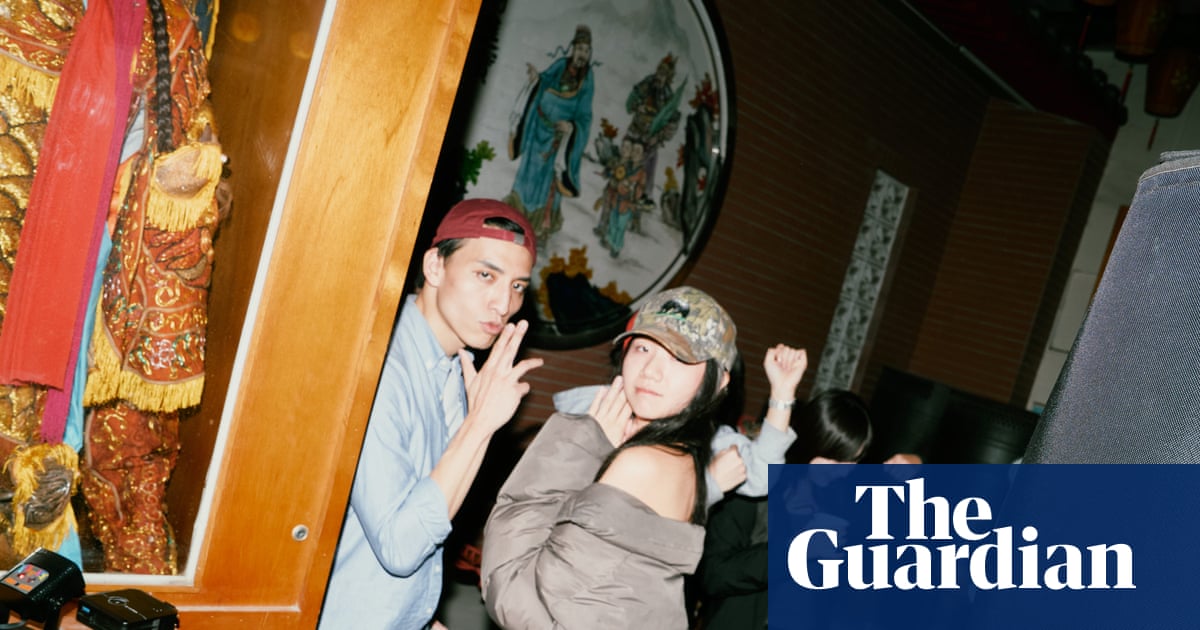
Dance culture faces barriers in Taiwan, with frequent raids on nightclubs. But Temple Meltdown is trying a different tack, with sound systems overseen by gods When Andrew Dawson brings a sound system to Puji Temple in Tainan, Taiwan, for lunar new year celebrations, its deities keep watch. Behind the plywood speaker stack hangs a circular plaque of Caishen, the Chinese god of prosperity. Around the corner from the dub and reggae street party, families burn long incense sticks for the site’s patron religious figure, the thousand-year-old Chifu Wangye, a prince who died sampling well water poisoned by the plague gods to save his own villagers. To some, partying in a religious site like this might seem sacrilegious, or at least insensitive. But Dawson has been doing this for three years with his Temple Meltdown party series, inspired by religious sites and their role as vibrant centres of civic life: to him, the marriage of underground music to these spaces felt like a natural next step. “Every temple in Taiwan is very different because each of its founders has a unique vision or dream. But the interesting thing is that there is always a plaza area outside where people can gather, cook, hang out with their friends,” says Dawson, who is half American and half Taiwanese and also goes by 陳宣宇 or Chen Xuan Yu. The scene at his Lunar New Year party is no different, with people swaying, smoking, and some feeding each other skewered pieces of Taiwanese fried chicken on the dance floor. Continue reading...