


 The Better India
 What Is Section 39A? A Simple Guide to Goa’s 2024 Land-Use Amendment
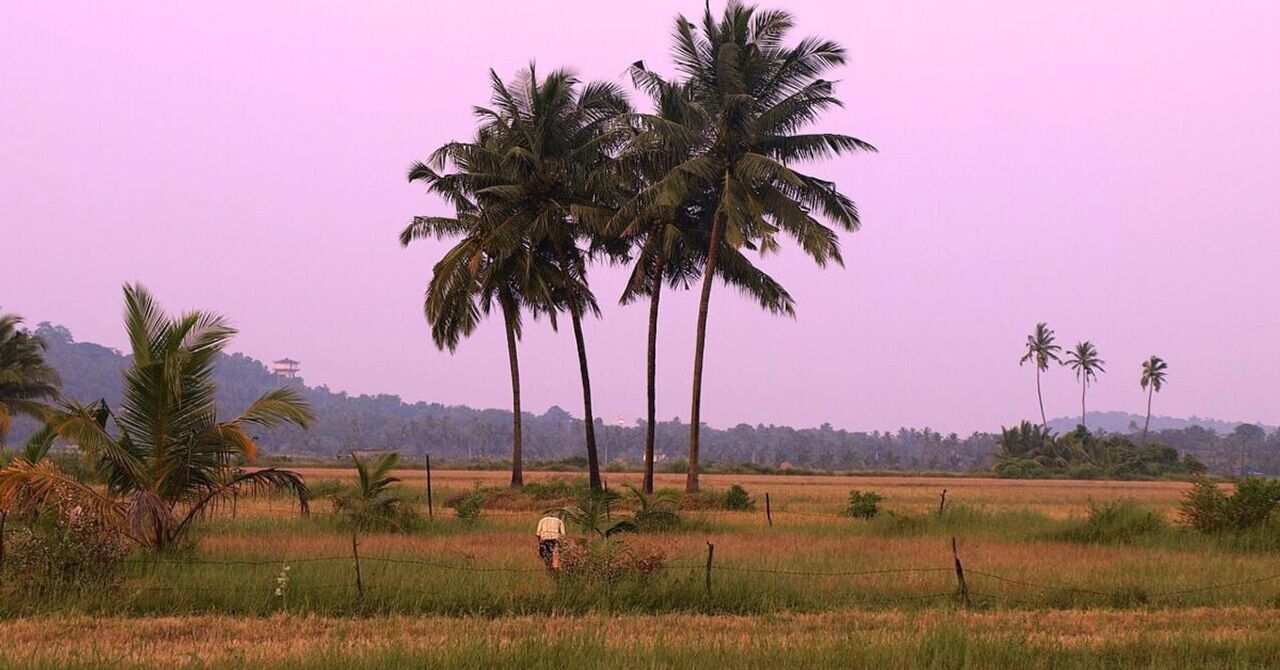
At sunrise, Goa’s hills glow in soft gold. Coconut groves sway in the breeze, red laterite soil holds stories of generations, and forested slopes quietly protect water springs that sustain entire villages. It is this landscape — fragile, beautiful, and deeply loved — that has become the focus of a growing public conversation. Recently, discussions around Section 39A of the Goa Town and Country Planning (TCP) Act have gained renewed attention. What was once a technical planning provision has now entered public conversation, with citizens debating its long-term impact . But what exactly is Section 39A — and why does it matter? What is Section 39A? Introduced in 2024 as part of an amendment to the TCP Act, Section 39A gives the Chief Town Planner the authority to modify land-use zoning across the entire state of Goa in specific cases In practical terms, this means: Individuals or entities can apply to change how a particular plot of land is classified. Land marked as “green” or “no development” can, in certain cases, be reclassified as “settlement” zones. Once notified in the Gazette, there is a 30-day window for public objections before changes are finalised. Supporters argue that the provision offers flexibility. Land-use plans drafted decades ago may not reflect present-day realities, and Section 39A allows authorities to update zoning when development is deemed to be of “public importance”. In theory, this could help streamline infrastructure, housing, or community projects. Why is it being debated? For many Goans, land is not just property — it is identity, ecology, and inheritance. Some environmental groups and citizens have raised concerns that the provision could enable the conversion of orchards, hill slopes, and eco-sensitive zones into construction-ready land without sufficiently robust community consultation. They argue that changes to land-use maps should ideally go through broader, participatory planning processes that assess environmental and social impact in depth. The concerns are not just environmental. Goa’s hills act as natural water catchments. Forest patches regulate temperature and prevent soil erosion. Green belts support biodiversity and traditional livelihoods. Even incremental shifts in zoning, experts say, can have ripple effects on water systems, local economies, and long-term sustainability. Development and preservation At its heart, the discussion around Section 39A raises a broader planning question that many states face: how should development decisions account for environmental safeguards? Goa is no stranger to this balancing act. Tourism, infrastructure expansion, and real estate demand continue to shape the state’s trajectory. Photograph: (Wikimedia Commons) Goa is no stranger to this balancing act. Tourism, infrastructure expansion, and real estate demand continue to shape the state’s trajectory. At the same time, its natural landscapes are central to its cultural and economic identity. The recent social media discussion shows something encouraging: citizens are paying attention. Instagram and other platforms are increasingly becoming spaces where policy is explained, questioned, and discussed — making governance more visible and accessible. Why this moment matters Whether one sees Section 39A as a necessary planning tool or a provision requiring stronger safeguards, one thing is clear — land-use decisions shape the future of communities for generations. Some environmental groups and citizens have raised concerns that the provision could enable the conversion of orchards, hill slopes, and eco-sensitive zones into construction-ready land without sufficiently robust community consultation. Photograph: (Wikimedia commons) In amplifying the conversation, citizens are not rejecting development. They are asking how it can be done responsibly, transparently, and sustainably . As the debate continues, Goa’s green hills stand as a reminder that progress and preservation do not have to be opposing forces. With thoughtful planning and inclusive dialogue, they can move forward together. And perhaps that is the real takeaway from this moment: when policies are discussed openly and clearly, citizens are better placed to understand how decisions may shape their surroundings. Sources ‘ Protesters gherao minister Vishwajit Rane’s house in Goa, demand scrapping of contentious land-use change law 39A ’: By Pavneet Singh Chadha, Published in The Indian Express on 24 February 2026. ‘ Section 39A Misused For Large-Scale Conversions: Jit Arolkar ’: Published in Goemkarponn on 23 February 2026 ‘ ‘No more 39A’: Thousands gather outside Rane houses with one voice ’: by Murari Shetye, Published in Times of India on 24 February 2026