


 Dawn.com
 Brain-computer interface technology sees broader application, benefiting patients
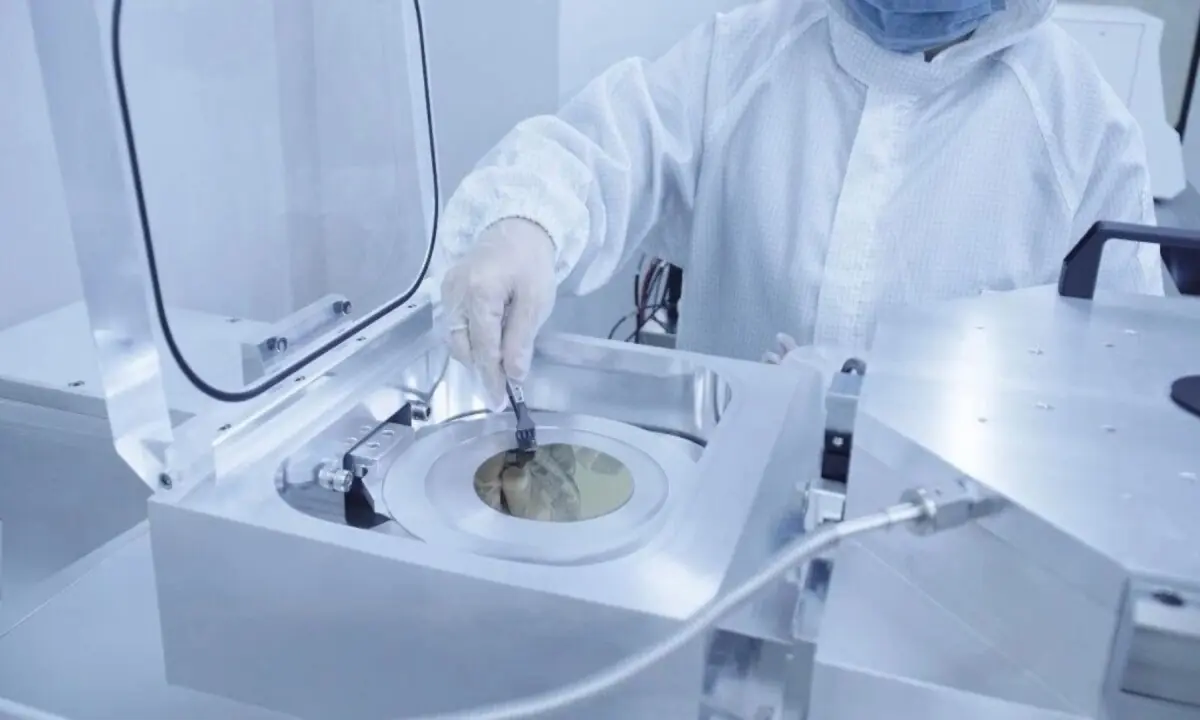
Brain-computer interface (BCI) technology is rapidly transitioning from laboratories to real-world applications, enabling patients to control computers, robotic arms, and robot dogs with their thoughts. As integration into daily life accelerates, China marked a significant milestone on January 1, 2026, when its first national standard for BCI-based medical devices took effect. The new standard defines the scope of BCI medical devices, categorises technical approaches, standardises terminology for signals such as electroencephalograms, and provides key definitions for signal acquisition, processing, encoding and decoding, as well as clinical applications. Why are such standards important? According to Yuan Peng, deputy director-general of the department of medical device registration at the National Medical Products Administration, as China makes breakthroughs in brain science and neural decoding, BCI medical devices are entering a critical stage of industrialisation and clinical translation. Because these devices integrate neuroscience, clinical medicine and computer science, the same concepts may be described differently across disciplines. Inconsistent terminology and unclear definitions have hindered industrial development, he added, noting that unified standards will help establish a common technical language for this emerging field. A patient with paralysis uses an invasive BCI system to control a robot dog with thoughts.— Centre for Excellence in Brain Science and Intelligence Technology, Chinese Academy of Sciences BCI medical devices help patients regain physical functions and may, in the future, be used to treat neurological disorders such as epilepsy and Alzheimer’s disease. The technology holds significant potential and is expected to bring transformative changes to health care. At the clinical and translational ward for BCI at Beijing Tiantan Hospital, affiliated to the Capital Medical University, a volunteer surnamed Liao wore a wireless BCI cap during a rehabilitation session. As he slowly raised his left arm in front of a computer, the cap transmitted electrical signals from his cerebral cortex in real time to an external decoding device, assisting his rehabilitation training. Three years ago, Liao suffered a cerebral haemorrhage that left him partially paralysed on his left side. After more than a year of conventional rehabilitation with limited improvement, he underwent surgery at Beijing Tiantan Hospital in May 2025. Doctors implanted a semi-transparent, 4-by-4-centimetre thin-film electrode beneath his skull. Following a period of rehabilitation training, his mobility function on the left side of his body improved significantly. “During post-operative training, when the patient moves his limbs, the system captures brain signals, decodes them through algorithms, and drives external devices to assist in rehabilitation exercises,” said Cao Yong, executive deputy director of the hospital’s neurosurgery centre. Beijing Tiantan Hospital has since launched a BCI evaluation clinic to assess whether patients are suitable candidates for semi-invasive BCI surgery. More than 3,000 patients have made appointments. Cao noted that the technology remains in the clinical trial stage and that participant selection is conducted with caution. He expressed the hope that BCI technology will continue to advance and benefit more people in need. Beyond rehabilitation, BCI technology is restoring independence to those with severe mobility impairments. In June 2025, a collaborative team from the Chinese Academy of Sciences, Fudan University’s Huashan Hospital, and industry partners implanted a BCI device in a quadriplegic patient, enabling thought-controlled computer gameplay. Six months later, a patient with high-level spinal cord injury used BCI to remotely manage an unmanned retail cabinet via video link. According to Zhao, after two to three weeks of training following implantation, patients were able to control computer cursors and tablet devices. However, he noted that many patients hope to move beyond virtual interactions and regain a more direct connection with the physical world. To meet this demand, the research team has extended BCI applications from screen-based control to physical external devices. Through a series of technical advances, patients with implanted BCI systems are now able to use their thoughts to operate electric wheelchairs or command robot dogs to retrieve delivered items. “It’s like controlling a character in a video game,” one patient said. “You don’t consciously think about moving a joystick in a certain direction. You simply think about where you want to go, and the movement follows naturally.” Zhao explained that the team adopts general-purpose interfaces and widely available devices, such as household robotic arms and robot dogs, with the aim of making BCI systems as user-friendly as Bluetooth or a computer mouse. This allows patients to control multiple external devices through a single, unified hub. He noted that the value of BCI technology depends not only on advances in neural interfaces but also on the development of external intelligent devices. The growing maturity and accessibility of electric wheelchairs, robot dogs and humanoid robots are providing practical outlets for thought-based control, helping translate technological progress into tangible improvements in patients’ quality of life. This article was originally published on People’s Daily Online. Header Image: At the Centre for Excellence in Brain Science and Intelligence Technology, Chinese Academy of Sciences, a staff member processes invasive BCI flexible electrodes. — Centre for Excellence in Brain Science and Intelligence Technology, Chinese Academy of Sciences