


 The Advocate
 Black LGBTQ+ leaders deride Trump's cuts to HIV funding after State of the Union
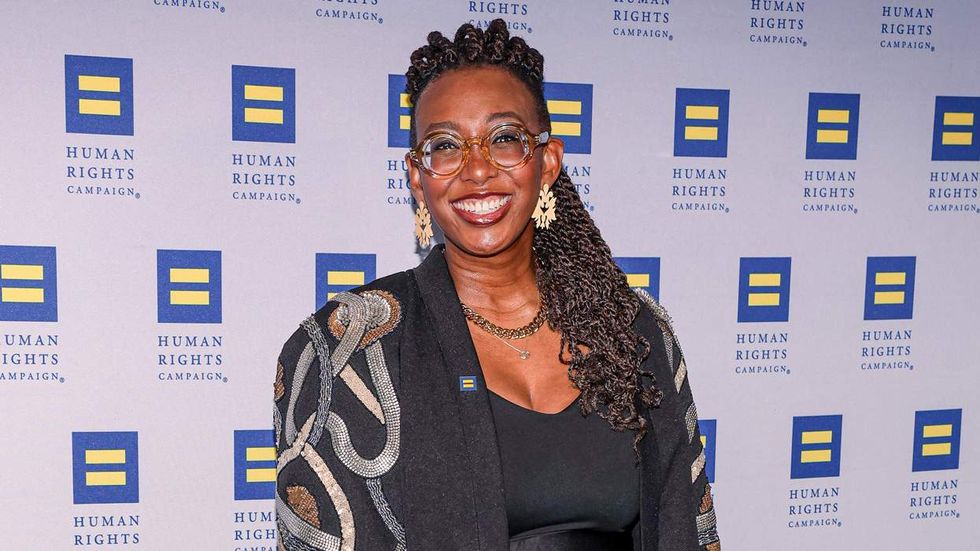
Kelley Robinson brought a list of gripes about Donald Trump the night of the State of the Union address — but cuts to HIV funding and its impact on her community loomed large. “I’m here for every trans person that’s been kicked out of our military and every person living with HIV that’s denied their PrEP medication,” Robinson said. “I’m here for our community tonight because I’ve got to remind this country that lesbian, gay, bi, trans, and queer people, we’ve always been here and we are not going anywhere. This is our country too.” Robinson, the first Black queer executive director of the Human Rights Campaign, attended the People’s State of the Union as a guest of California Rep. Robert Garcia. The counterprogramming event held on the National Mall offered a clear-eyed assessment of the challenges facing LGBTQ+ America under Donald Trump, unlike his anti-trans boasts within the U.S. Capitol. Robinson made special note of dramatic cuts to funding aimed at addressing an ongoing HIV epidemic in the country, as Trump’s administration kills $258 million in funding for HIV vaccine research, guts HIV prevention program funding through states, and puts 127,000 lives at risk while potentially generating millions of new infections . “There’s nothing ordinary about them cutting billions of dollars from HIV prevention and throwing it into building more ICE detention facilities,” Robinson said. “We need health care. We need food. We don’t need mass incarceration. And there’s certainly nothing ordinary about this government murdering United States citizens.” The funding cuts are set to deliver a disproportionate level of impact on Black Americans, the demographic at the highest risk of contracting HIV, yet the group with the worst access to care, including PrEP, which could contain the spread of the virus. Increasingly, it has fallen to nonprofit and non-governmental organizations to fill in these holes in Black communities, like the Black AIDS Institute, SisterLove, and other regional organizations. But many such organizations still rely on federal grants and have had to pursue alternative forms of revenue as the administration starves out public health programming. - YouTube Timothy Jackson, senior director of policy and advocacy at the AIDS Foundation of Chicago, told an Illinois PBS affiliate that he fears cuts to federal funding will compromise care for existing beneficiaries of programs. “There’s no money coming from the federal government,” Jackson said. “How do you take care of those people? Priority number one is, how do we preserve access to care and prevention for people living with and vulnerable to HIV?” Antoine Pollard, community engagement director for Us Helping Us in the greater Washington, D.C., area, said the organization has sought stronger partnerships with medical institutions as federal resources diminish. “This is impacting a lot of organizations in our area and around the country in general. It’s unfortunate to be in these times, but we still need to continue with the fight to end the HIV epidemic by 2030,” he said. “We have partnerships with the Washington Health Institute, the Center for Black Equity. Those organizations are all stepping up.” In areas like Miami, which has one of the highest rates of new HIV diagnoses in the country and where Blacks account for 64 percent of AIDS-related deaths , community health workers are seeking new ways to cover funding gaps. Dr. Elizabeth Sherman of the Miami-based HIV Medicine Association told the South Florida Sun Sentinel that resources, public or private, must go toward the communities most in need. “It’s important to know what populations are seeing upticks of HIV rates so we can focus interventions to those folks,” she said. “When they cut people who oversee surveillance, it hampers our ability to limit transmission before it starts to spread.”