


 Dawn.com
 Taliban expand executions, deepen repression: UN
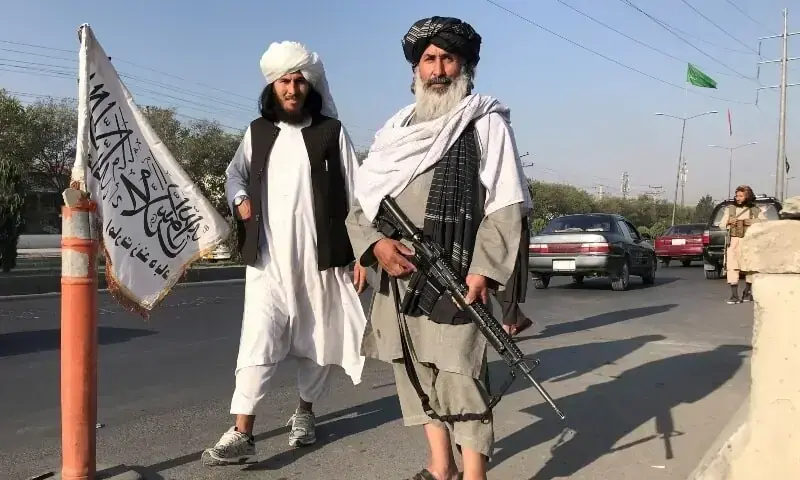
GENEVA/BERLIN: A new decree from Afghanistan’s Taliban government is set to further crush rights and freedoms in the war-torn nation, especially for women, UN human rights chief Volker Turk said on Thursday. The Taliban has restricted women’s movements and barred girls from education beyond primary school since coming to power in 2021, via a series of morality laws that also limit expression and employment. Turk, the United Nations High Commissioner for Human Rights, said a decree signed by Taliban supreme leader Hibatullah Akhundzada last month “defines several crimes and punishments that contravene Afghanistan’s international legal obligations”. “It provides for the use of corporal punishment for numerous offences, including in the home, legitimising violence against women and children,” he told a Human Rights Council meeting in Geneva. Germany deports 20 convicted criminals to Afghanistan “The decree, which is expected to come into effect soon, extends the number of offences that carry the death penalty.” The decree also criminalises criticism of the de facto leadership and its policies, in violation of freedom of expression and assembly, he said. Detailed provisions of the decree have not been officially published by the Taliban’s Ministry of Justice or Supreme Court, and this news agency has not been able to obtain the text from officials. Turk urged the Taliban to rescind the decree, impose a moratorium on executions and end corporal punishment, saying women and girls face persecution under a system he likened to gender apartheid. The Taliban says women’s rights are internal matters and should be addressed locally. Afghans deported Germany on Thursday deported 20 convicted criminals to Afghanistan under a new agreement reached with the Taliban government to allow direct expulsions, the interior ministry said. Berlin had already resumed deporting criminals to Afghanistan in 2024, using Qatar as an intermediary. But the agreement reached to enable Thursday’s flight “creates a reliable basis for direct and permanent deportations to Afghanistan”, Interior Minister Alexander Dobrindt said. Those deported were men who had committed crimes in Germany, including sexual offences, bodily harm and drug offences, according to the interior ministry. “Our society has an interest in ensuring that criminals leave our country. That is why we are acting consistently and expanding deportations step by step,” Dobrindt said. Germany stopped deportations to Afghanistan and closed its embassy in Kabul following the Taliban’s return to power in 2021. But it resumed them as part of efforts to take a tougher line on migration to counter the rise of the far-right Alternative for Germany (AfD) party. Two deportation flights of convicted Afghans have left Germany since 2021: 28 were returned in autumn 2024 and 81 in July last year. Germany’s interior ministry had announced last year that direct discussions were taking place with the Taliban authorities. But the talks are controversial because Berlin does not recognise the Taliban administration in Kabul. Published in Dawn, February 27th, 2026