


 The Guardian
 Scholar, seductress, alchemist: who was the real Cleopatra?
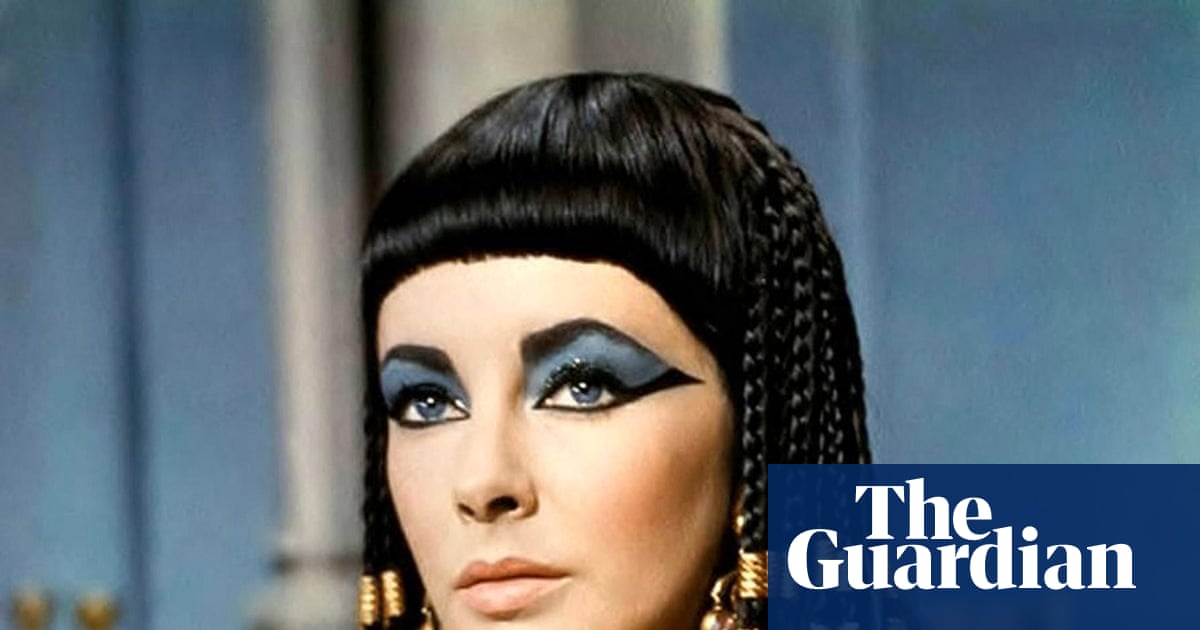
The Egyptian queen has fascinated me from childhood, but following the archives led only to ancient gossip and Roman propaganda. Fiction was the way to liberate her from misogynist myth Witch, whore, villain – there are few women who have been as vilified through history as Cleopatra VII. The disdain of ancient sources that sought to dismiss her as exotic and seductive has corrupted her legacy. But I take pleasure in knowing that her name has permeated through time with far more recognition than the men who wrote about her. Ask a 10-year-old child who Plutarch is and they’ll scrunch up their brows – but Cleopatra? Their eyes light up with glee. Mine did when I was tasked by my schoolteacher to draw Cleopatra. My small hands searched through the box of crayons. I picked up the brown, its tip pristine from lack of use. It was the loneliest colour in the box, used only to draw mud or bark. The face I drew reflected my own in features and colour. Continue reading...