


 Ruptly
 'Deeply concerned over the escalation' - Beijing urges diplomatic solution between Pakistan and Taliban-led Afghanistan after cross-border strikes
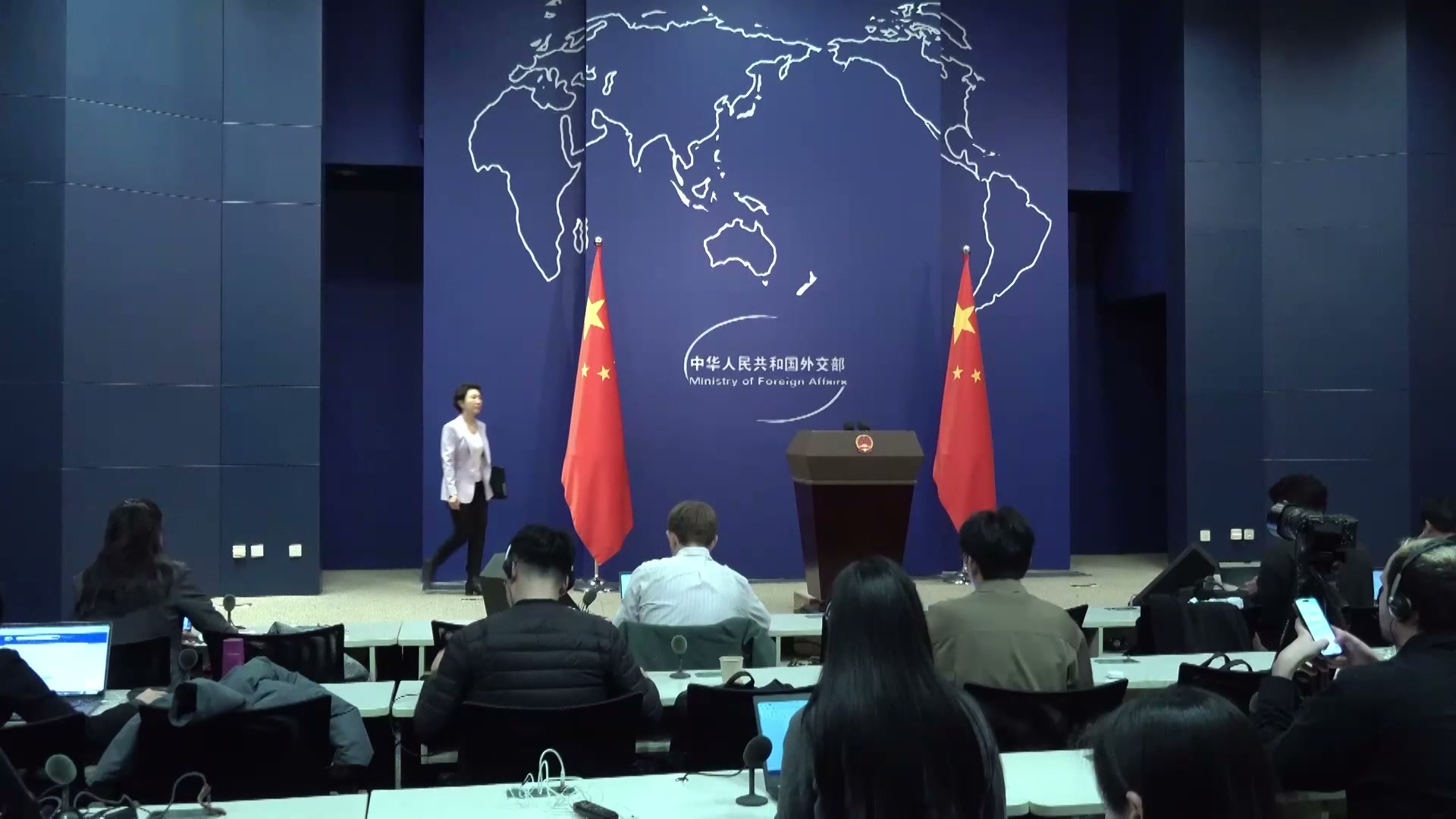
"China's Ministry of Foreign Affairs spokesperson Mao Ning on Friday said that Beijing is 'deeply concerned' over deadly cross-border strikes between Pakistan and Afghanistan along the Durand Line on Thursday. "The intensity of ongoing clashes between Pakistan and Afghanistan has gone beyond previous levels. Any protraction or escalation will inflict harm and losses on both sides," Mao stated during a daily press briefing. The spokesperson urged both countries to pursue diplomatic solutions to "end the fighting as soon as possible, and avoid more sufferings." Afghanistan-Pakistan escalation intensified on Thursday after months of tensions, with both sides launching cross-border strikes and reporting casualties. Afghanistan launched what it called a 'major offensive' on Pakistani military posts near the border on Thursday, which the Taliban government said was in response to deadly airstrikes earlier this month that reportedly killed at least 13 people. Pakistan, which said those earlier strikes targeted 'militants' planning 'suicide attacks', carried out airstrikes on the capital Kabul and two other provinces from Thursday night into Friday. Mao also commented on Wednesday talks between President Xi Jinping and German Chancellor Friedrich Merz concerning the Russia-Ukraine conflict during the chancellor's two-day stay in China. "It is important to ensure the equal participation of all sides and strike a solid foundation for peace; accommodate the legitimate concerns of all sides and enhance the will for peace," Mao cited Xi's remarks. "Though parties remain divided, they engaged in talks that are beginning to focus on substantive issues concerning the crisis. China welcomes this. Peace talks won't end the crisis overnight, but as long as dialogue is still on, there is hope for peace," she added. The US, Russia and Ukraine hosted the latest round of trilateral talks on February 17-18. Mao also voiced Beijing's opposition to reported Pentagon plans to allocate an additional $12.6 billion to monitor China's activities in Asia amid perceived 'expansion' threats, and dismissed OpenAI's claims that Chinese officials used ChatGPT to manipulate public opinion on Japanese Prime Minister Sanae Takaichi."