


 Ruptly
 Dazzling 'meteor showers' - China’s Jincheng mesmerising molten iron fireworks illuminate timeless tradition
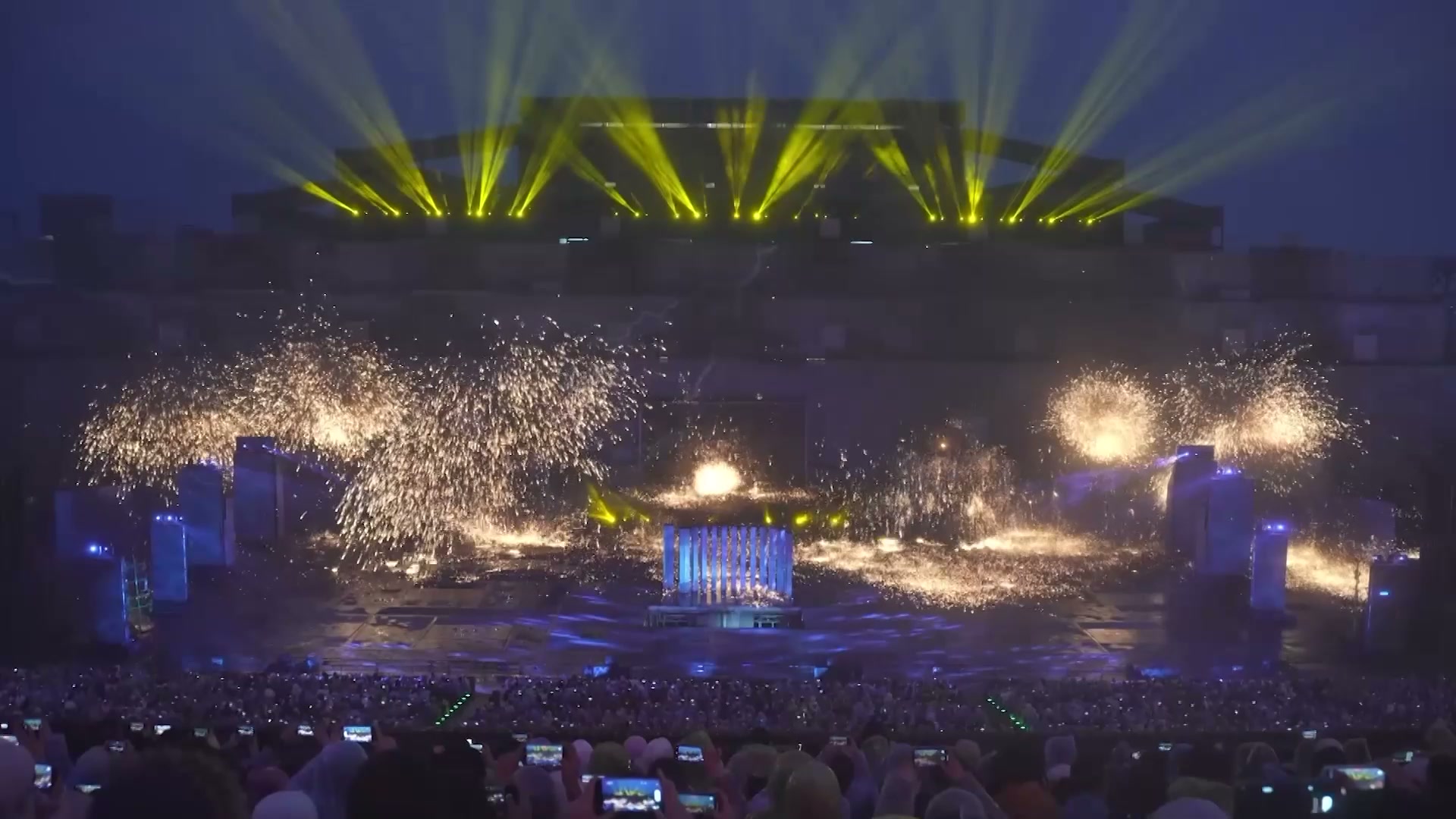
"A breathtaking molten iron fireworks performance recently took centre stage in Jincheng, Shanxi, north China, providing visitors with a grand visual feast of traditional folk culture. Footage captured in Situ City on Thursday showcases this stunning spectacle, often regarded as more dramatic than conventional fireworks, featuring a cascading golden waterfall of light against the night sky and illuminated buildings. Such is the essence of a molten iron fireworks display - a performance that is as dangerous as it is beautiful and which has become a major attraction for the region, enchanting visitors from far and wide. The streets and performance grounds teemed with spectators, many raising their phones to record the captivating display. “I had a wonderful time visiting Situ Town. There are many unique and interesting activities - fun and engaging for both adults and children. I highly recommend everyone visit Situ Town,” remarked visitor Zhang. In addition to the iron fireworks, the town features immersive cultural shows and family-friendly attractions. Jing, who travelled with her family, stated that the trip was well worth the drive. “I had never been to Situ Town before. My husband recommended it, noting it wasn’t too far from Shijiazhuang, so we drove here. We bought a two-day pass, and I had a fantastic experience coming with my child. It's a one-stop shop for food, drinks, and entertainment; you can easily spend the whole day here without ever leaving,” Jing shared. The performance, known as ‘datiehua’ in Chinese or ‘iron flower’ in English, is a millennium-old intangible cultural heritage skill. Artists clad in traditional costumes throw molten iron heated to an astonishing 1600℃ against a cold backdrop, causing it to burst into thousands of fiery blossoms upon impact. This results in a mesmerising cascade of light and shadow, often described as meteor showers or golden sparks raining from the sky, transporting audiences back to ancient times. The event signifies more than entertainment; it preserves a craft dating back to the Song Dynasty (960-1279), when blacksmiths initially developed the technique to mimic fireworks for villagers unable to afford lavish celebrations."