


 The Huffington Post
 Sowing, Mowing, And Growing: 6 Gardening Jobs To Do In March
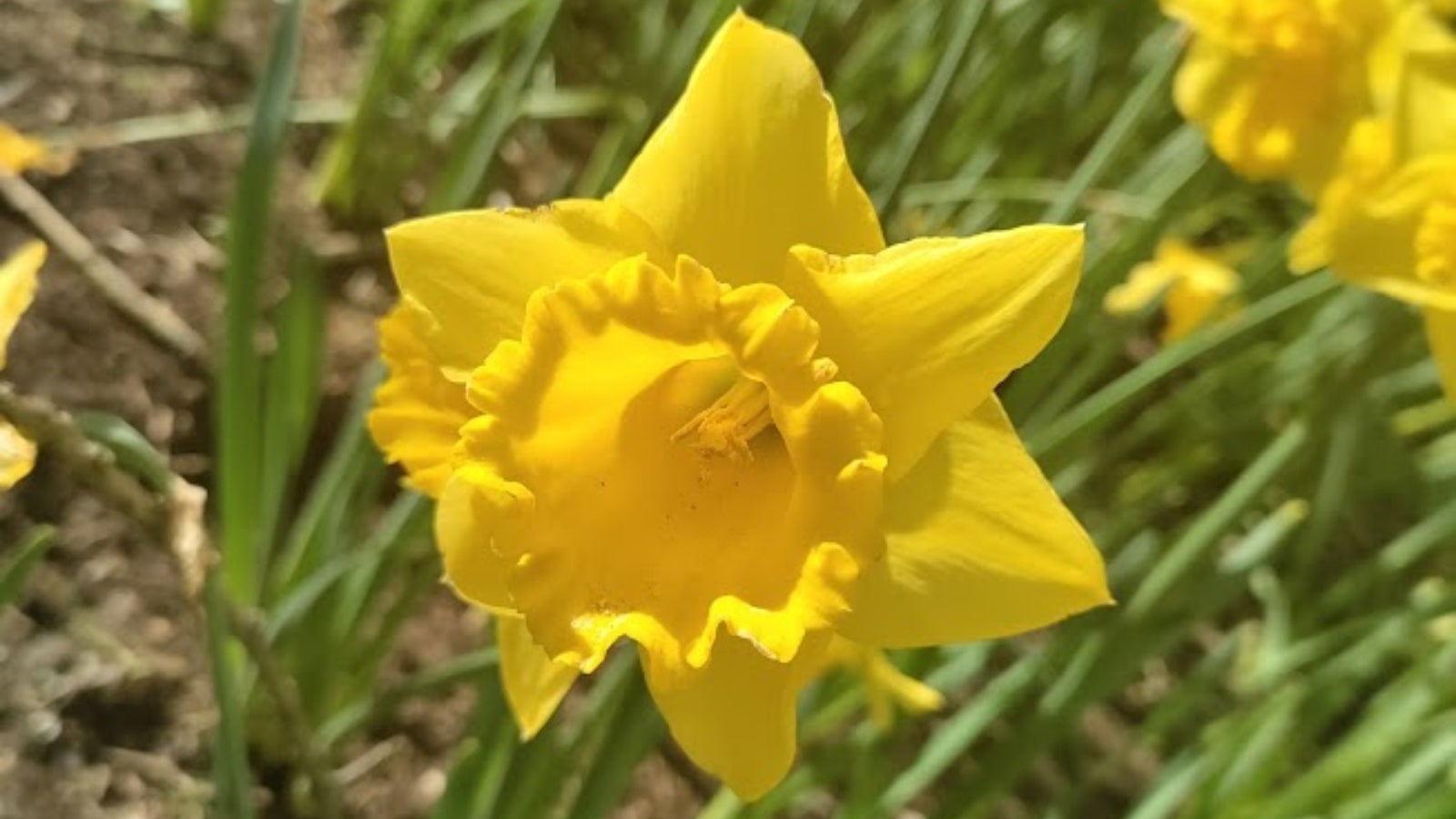
Is it just me, or have people been in a better mood recently? Personally, I chalk it down to warmer temps, an approaching 6pm sunset , and, in much of the UK, a pause from February’s relentless rain . If you have a garden, chances are you’ve noticed the effects of these milder conditions in your backyard too. March is the month of tulips, hyacinths, and primroses. I’ve already seen the nodding yellow-tipped heads of my park’s daffodils begin to rise, as if they’re realising it’s spring. Of course, the more activity in the garden, the more work it requires. So, we thought we’d share the top jobs UK gardeners should consider this month: 1) Get ready for your first mow Your grass will likely be ready for its first haircut of the year this month. Put your mower’s blade to its maximum height to prevent “scalping” your garden, and ensure the blades are sharp before strimming. Make sure your first mow is on a dry day. Steer clear of any budding bulbs, too, like daffodils. 2) Prune roses Late February and early March “is often a good time for pruning roses,” the Royal Horticultural Society (RHS) says. This ensures the new growth in spring and summer will look fresh, full , and bright. Don’t cut more than 5mm away from a bud, the RHS said , and make sure the cuts slope downwards away from the bud to prevent water from pooling on it. Keep your clippers sharp, and prune dead growth ’til you have a white pith. 3) Mulch fruit trees Add compost to the base of your fruit trees and raspberry bushes to give them a much- needed spring boost. Just make sure the area is weed-free before mulching it, and don’t place it all the way up to the roots. 4) Sow and grow veggies It’s a good time to get broad beans, chard, onions, kale, beetroot, carrots, spring onions, early potatoes, and leeks in the ground. If you have a greenhouse, early broccoli, cauliflower, and celery will begin to flourish, as will chives and chillies. 5) Plant flowers, too Now’s the time to think of how your garden will bloom for the rest of the year (and in years to come). Plant cornflowers, lupins, rubella, Californian lilacs, and weigela where you want them to grow; start more delicate begonias, dahlias, and zinnia under cover and/or in trays. Summer-flowering bulbs like ladioli, lilies and Eucomis will provide beautiful blooms in a matter of months. 6) Keep some dandelions in your garden Bees are (almost) back, baby! But because the species, including the rare Pantaloon kind, doesn’t have much food to rely on in the cooler months, the RHS advises gardeners to keep some dandelions unweeded. Pantaloon bees mostly feed on “weedy” yellow flowers, like ragwort, cat’s ear, common fleabane, and dandelions. Related... I'm A Beginner Gardener – Here's Exactly What I'm Planting This Spring UK Gardeners Told To Try Watering Schedule 'As Good As Slug Pellets' Warning Issued Over Potentially Deadly Bird Feeder Mistake