


 The Advocate
 After 40 Years living with HIV, this military veteran sees history repeating
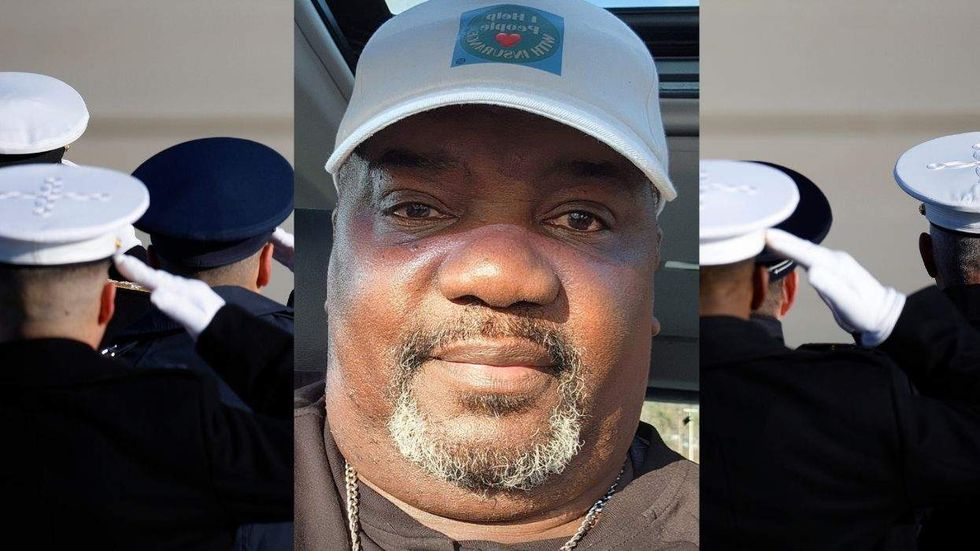
Reggie Dunbar II’s doctor was more concerned than he was when his HIV diagnosis came back. Keep up with the latest in LGBTQ + news and politics. Sign up for The Advocate's email newsletter. It was 1985, nearly a decade since Dunbar had retired from the military after serving from 1972 to 1977. All the news featured was stories about death, and the community around him had tales to match. But to Dunbar, all the test results meant was that he had to go to hospital appointments instead of his local Veterans Affairs clinic. Related : Military ban on HIV-positive enlistees could set dangerous precedent, experts warn Related : Federal appeals court sides with Pentagon against science, reinstating U.S. military’s HIV enlistment ban “I did not have the experience that I hear many of my fellow community members did,” Dunbar told The Advocate . “I wasn't distraught about it, I wasn't timid about it. It wasn't gloom and doom for me because I was educated.” Now 71, Dunbar has lived a long and successful life as the founder and CEO of Poz Military & Veterans USA INTL , an advocacy group for former and active servicemembers living with HIV. His medical journey, for the most part, has been uncomplicated, though this hasn’t protected him from the stigma surrounding HIV. Because Dunbar’s count of T cells — white blood cells in the immune system — was stable, he was not prescribed AZT, the first antiretroviral medication for HIV. He wasn’t keen on taking it anyway, as other Black people he knew experienced side effects that ended up outing them to their communities, which were built around churches. Eventually, he began taking Atripla, a combination antiretroviral medication introduced in the mid-2000s that helped transform HIV into a manageable chronic condition for many patients. “For people of color, Black people, the hair would change,” Dunbar explained. “If you had coarse hair, and all of a sudden, because of the medication you were taking, you had straight hair, they knew something was going on. I said, ‘Oh, hell no, I ain't about to be looking like that, doing that. So I continued going to the doctor.” People living with HIV are not barred from serving if already enlisted, but they remain prohibited from enlisting. In guidance issued January 16, the Department of Defense directed officials to pause the training of new recruits who are HIV-positive, stating, “We are pausing shipping any HIV+ applicants and will follow up in the coming weeks.” The directive followed a decision from the 4th U.S. Circuit Court of Appeals, which upheld the enlistment policy last week. The court found that allowing those with HIV to enlist could create logistical complications, including an estimated cost of up to $20,000 per person annually. Related : Two military members denied promotions for having HIV just won their lawsuit Related : Court strikes down last barrier to military service by people living with HIV To Dunbar, the reasoning sounds familiar. He also owns Reggie Legal , offering life insurance, power of attorney, living wills, wills and trusts, and estate planning. The ruling is reminiscent of a time when those with HIV couldn’t get life insurance policies. It took decades of advocacy and research to convince companies that HIV-positive people deserved protection, too. “All this is about humanity,” Dunbar said. “At one time, you could not get a policy from any insurance company if you had AIDS. Eventually, it got to a point where there were some companies that would write policies, but all of those companies had what's called a two-year wait period before the full face amount went into effect.” He added, “Very recently, we have gotten a few companies, one of which will write the full face amount if you're living with HIV and are undetectable.” “One of the reasons we were able to convince this company to start offering those kinds of policies is [that] we took the CDC information and showed them that a person who is undetectable lives just as long as someone who has never had HIV,” he continued. Related : Appeals court mulls upholding ruling that struck down Pentagon’s HIV enlistment ban Despite the latest ruling, he said he will continue advocating for HIV servicemembers past, present, and future. But his view of advocacy extends beyond health care alone. “I think it's really important that when we start talking about advocacy, we do it from a holistic standpoint,” Dunbar said. “A lot of people are advocating for health, but you have people out here that have mental health issues, they also have housing issues, they have transportation issues, and nobody for those services.” After more than 40 years living with HIV, Dunbar speaks about mortality without fear, but also without resignation. “People living with HIV ain't stupid,” he said. “We all know we're going away from here. Whether you got HIV or no HIV, you got this or got that, everybody goes away.” What matters, he suggests, is what institutions allow people to do while they are here.