


 Forbes India
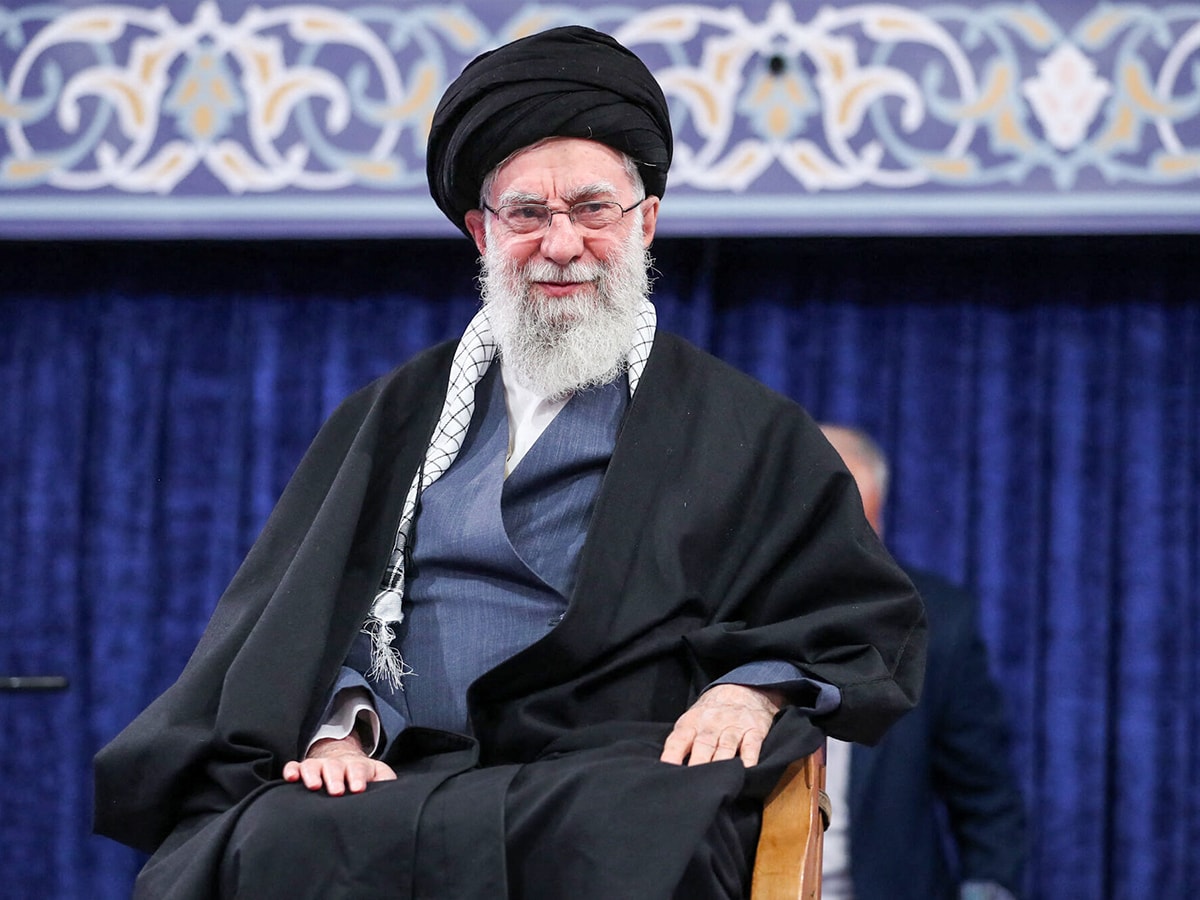
 Khamenei killed in US-Israel strikes, confirms Iran
Iran’s Supreme Leader Ayatollah Ali Khamenei was killed in coordinated United States-Israeli strikes on Saturday, Iranian state media reported early on Sunday, marking one of the most significant escalations in the Middle East conflict in decades.State news agency IRNA reported that Khamenei was “martyred following an attack by the Zionist regime and the United States". The Iranian cabinet declared 40 days of public mourning and seven days of holidays.Hours before the confirmation, US President Donald Trump said on social media that the Iranian leader had been killed and that military operations would continue. “Khamenei, one of the most evil people in history, is dead,” he wrote, adding that strikes would proceed “uninterrupted” until objectives were achieved. Trump said the operation was coordinated with Israel and claimed Iranian leadership could not evade US intelligence.Also Read: Explainer: Behind Iran’s unrest, Trump's threats and execution fears“Khamenei was unable to avoid our intelligence and highly sophisticated tracking systems and, working closely with Israel, there was not a thing he, or the other leaders [who] have been killed along with him, could do,” he wrote.Trump also called on Iranian security forces to surrender: “This is the single greatest chance for the Iranian people to take back their country. We are hearing that many of their IRGC, military, and other security and police forces, no longer want to fight, and are looking for immunity from us. As I said last night, ‘Now they can have immunity, later they only get death!’”Israeli Prime Minister Benjamin Netanyahu said there were signs Khamenei was no longer alive but stopped short of confirming his death before Iran’s announcement.“This morning, in a powerful surprise strike, the compound of the tyrant Ali Khamenei was destroyed in the heart of Tehran… and there are many signs that this tyrant is no longer alive,” Netanyahu said in a televised address on Saturday evening (local time).The Times of Israel reported that Israeli officials believed Khamenei had been killed in a strike on his compound and that his body had been recovered.According to Iranian state media, several family members of Khamenei were also killed, including his daughter, grandchild, daughter-in-law and son-in-law. These claims could not be independently verified.Khamenei, 86, had led Iran since 1989 and was the country’s highest political and religious authority.US-Israel strikes IranThe strikes were part of a coordinated military operation involving US and Israeli forces. US Central Command said the campaign included Tomahawk cruise missiles, fighter aircraft and drones. Israeli and US officials said the attack targeted Iran’s leadership and military infrastructure. Israeli media outlets reported that around 30 bombs were dropped on Khamenei’s compound during the opening phase of the operation.The Iranian Red Crescent said strikes affected 24 of the country’s 31 provinces, with more than 200 people killed and over 700 injured. Satellite imagery released by international agencies also showed extensive damage at the site.Iran responded by firing ballistic missiles toward Israel and several Gulf countries hosting US military bases, according to Israeli media reports citing emergency services. Casualties were reported in Tel Aviv and Abu Dhabi, though full figures remain unclear.Following confirmation of Khamenei’s death, the Iranian cabinet warned that the attack “will never go unanswered,” according to a report by the Associated Press.Trump described the operation as an opportunity for political change inside Iran, urging Iranian security forces to surrender and calling on citizens to “take back” the country.Netanyahu also urged Iranians to rise up against the government, describing the moment as a “once-in-a-generation opportunity”.Russia’s foreign ministry said in a statement posted on Telegram on Saturday that the US-Israeli strikes were “a pre-planned and unprovoked act of armed aggression against a sovereign and independent UN member state", and called for an immediate halt to the military campaign.Airspace disruptions hit flights across regionAirspace closures across Iran, Israel and parts of the Middle East triggered widespread disruption to international flight operations, with hundreds of cancellations affecting global routes.Iran shut its airspace following the strikes, while restrictions were also imposed across neighbouring regions, according to aviation authorities and flight tracking data. Visual data from Flightradar24 showed large sections of Iranian and Israeli airspace largely empty of civilian aircraft.India’s Ministry of Civil Aviation said 410 flights operated by domestic carriers were cancelled on February 28, with another 444 cancellations expected on March 1 as the situation continued to evolve.Air India cancelled 28 international flights scheduled for March 1, affecting services from Delhi, Mumbai and Amritsar to destinations, including London, New York, Newark, Chicago, Vienna and Frankfurt, many of which typically transit through Middle Eastern airspace.The Directorate General of Civil Aviation said it was coordinating with airlines to ensure passenger support and regulatory compliance, while major airports were placed on operational alert to manage diversions and delays.According to Flightradar24, several aircraft operated by Indian carriers were stranded at Gulf airports, including multiple planes at Dubai International Airport, one of the world’s busiest transit hubs for India-bound traffic.Olympic medallist, badminton player PV Sindhu, said she was stranded in Dubai as flight operations were disrupted following the escalation in the Middle East.“It’s hard to process what’s unfolding right now... hearing the interceptions overhead and seeing how quickly everything has escalated is honestly terrifying,” she said in a social media post. Sindhu added that she and her team were safe but unable to travel due to airport chaos and flight suspensions.