


 RTHK English
 'HK prepared for market swings due to Mideast war'
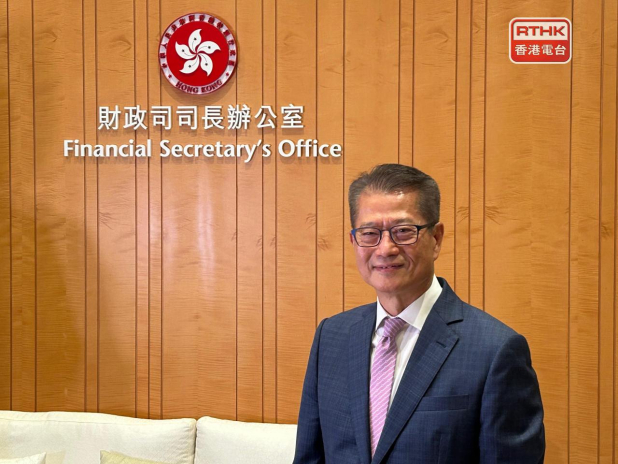
Financial Secretary Paul Chan on Sunday said that Hong Kong had sufficient contingency plans regarding the financial turbulence expected from the war in the Middle East. He said the SAR doesn't have much direct trade and investment with Iran, but the conflict brought about significant uncertainties to the world. The minister said on a TVB programme that Hong Kong is prepared for market fluctuations, and even potential capital inflows from the Middle East. "For example, there'll be rather big fluctuations in financial markets. Capital flow changes might be quicker and uncertain. There could be some capital from that region that wants to come to safe havens such as Hong Kong," Chan said. "We'll handle financial risks and fluctuations very carefully, we have made sufficient contingency plans." The minister added that officials would keep assessing the potential rises in transportation costs for international trade, as well as gold and crude oil prices. Meanwhile, Chan said the government's plans to use HK$150 billion from the Exchange Fund as a kick-start investment in the Northern Metropolis, because it sees the project as an investment in the future. "We do invest a lot in the metropolis. But we're certainly not putting everything in one basket," he said. "In recent years and going forward, one of the areas we have to work hard in is to attract more outside companies to come to Hong Kong." The minister said Hong Kong needs to enrich its depth as a global financial centre by attracting more tourists and people doing business here. He said tax returns from the Northern Metropolis were expected in four to five years. As to whether the government plans to widen the tax base in Hong Kong, Chan said officials have studied relevant ideas and have proposals in mind. The minister stressed, however, that from the present social standpoint, the current-term administration wants to focus on economic development. He also emphasised that the SAR's simple tax system remains a core competitive advantage globally. Edited by Tony Sabine