


 Business Recorder
 China stocks steady as surges in energy, defence shares offset airline losses; HK drops
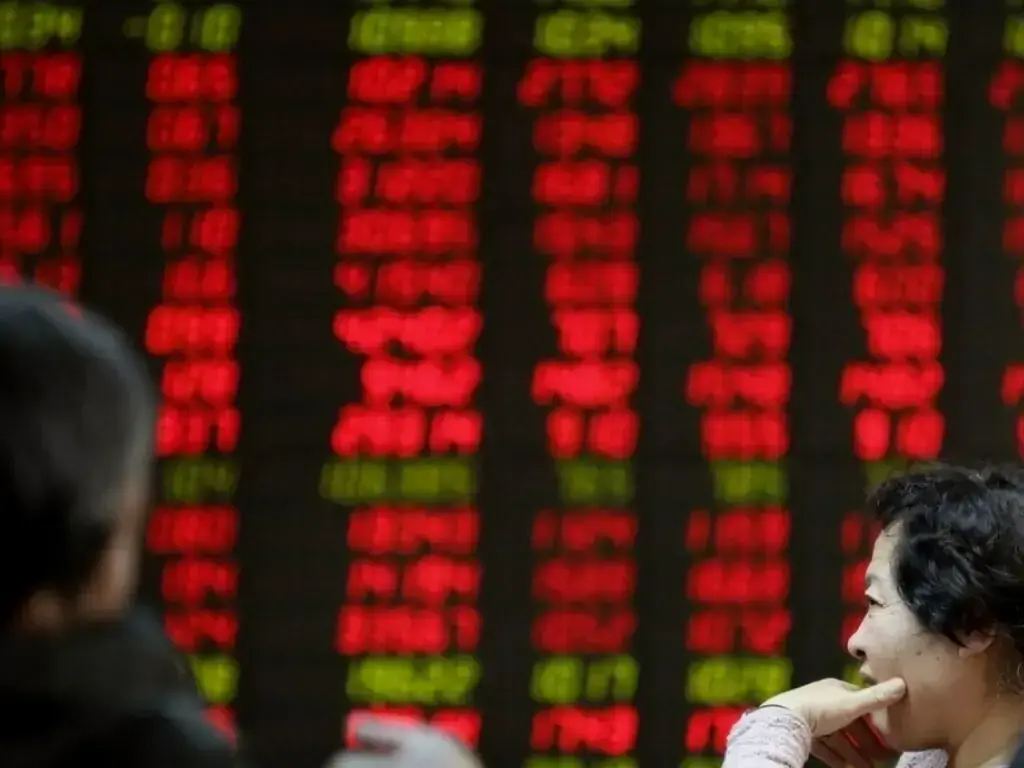
SHANGHAI: China’s equity benchmarks were little changed on Monday in the wake of the Iran conflict as surges in energy, defence and gold stocks offset plunges in airline and tourism shares. Mainland sentiment was supported by expectations that Beijing may step in to steady markets ahead of a parliamentary meeting later this week. However, Hong Kong’s Hang Seng Index, which is more susceptible to global market volatility, fell roughly 2%. The US and Israel launched major strikes on Iran over the weekend, killing Supreme Leader Ayatollah Ali Khamenei , escalating geopolitical tensions and deepening global economic uncertainty. China’s blue-chip CSI300 Index and the Shanghai Composite Index moved between small gains and losses before ending the morning session flat. Kevin Liu, a strategist at CICC Research, said the impact of any geopolitical conflict would likely be fleeting. “It does not alter the original trend determined by macro fundamentals,” Liu said. Investors piled into Chinese energy companies after oil prices surged, sending the shares of oil giants CNOOC , PetroChina and China Petroleum & Chemical Corp sharply higher. Energy stocks in Hong Kong also shot up. A dramatic increase in oil prices would curb overall risk appetite as the prospect of higher inflation makes it more difficult for the US Federal Reserve to cut rates, said Jeff Mei, chief operating officer at crypto exchange BTSE. He added, “Investors flock towards safe-haven assets such as gold in times of conflict.” An index tracking Chinese gold stocks advanced 2%, while defence stocks also climbed. Shipping stocks rose, with shares in Nanjing Tanker, COSCO Shipping and China Merchants Energy Shipping all jumping. But shares in Chinese air carriers and tourism firms slumped due to conflict-related travel disruptions. Shares of Air China fell more than 3% in both Shanghai and Hong Kong. Mainland-listed shares of China Southern Airlines and China Eastern Airlines also tumbled. In Hong Kong, energy was the only major sector in positive territory. Tech, healthcare and tourism were among the biggest decliners. Crypto ETFs listed in Hong Kong fell. “If the conflict intensifies, we can expect gold to remain strong while bitcoin becomes more vulnerable,” said Jeff Ko, chief analyst at crypto exchange CoinEx. While Beijing frequently stepped in to support onshore markets, Hong Kong, by contrast, “often acts as a shock absorber,” he added.