


 Forbes India
 War, sanctions, blocked straits: The toll on India-Iran ties
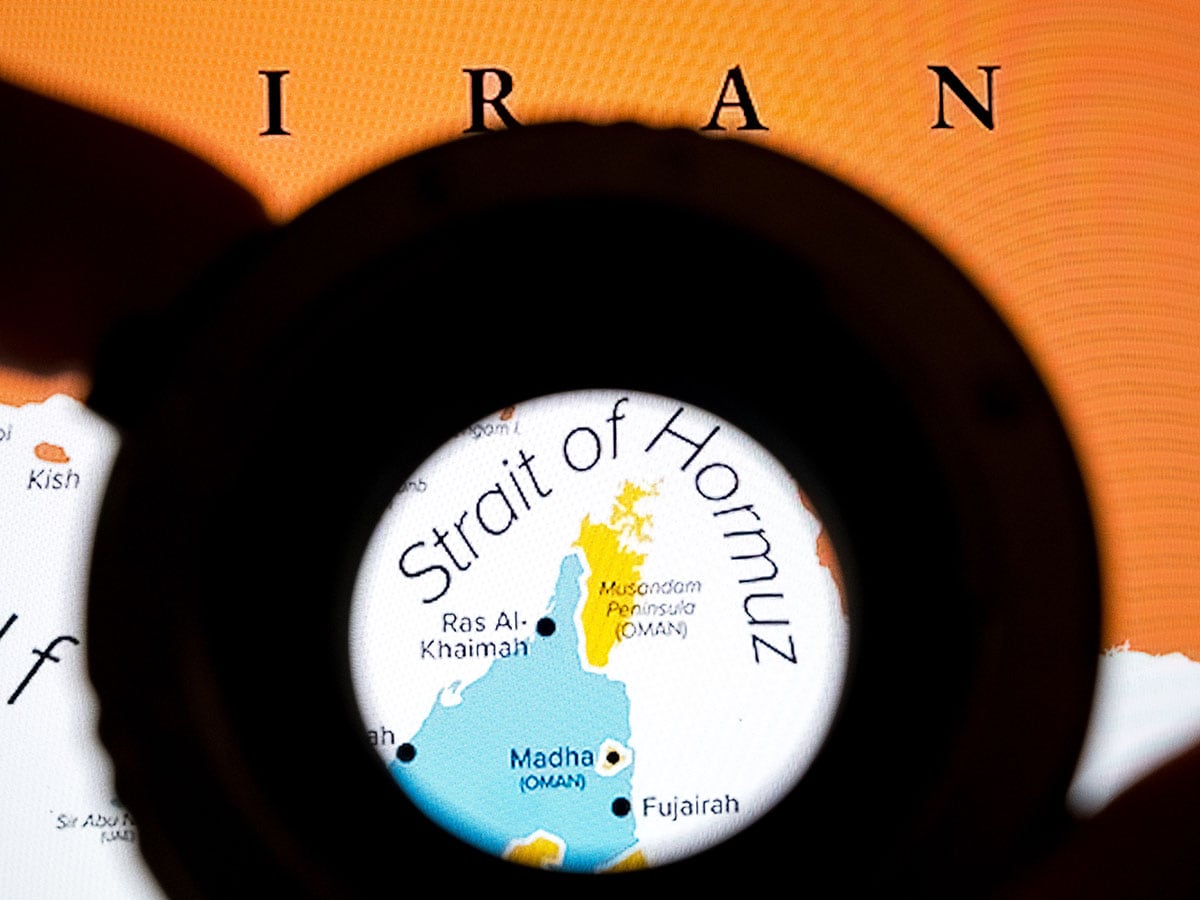
Iran has blocked the Strait of Hormuz amid escalating tensions in West Asia, threatening the 20.1 million barrels of oil that flow daily through the world’s most critical energy chokepoint, down from a peak of 21.4 million barrels a day in 2022–23, but still enough to shock global markets if the closure holds. China’s share of Hormuz crude oil flows surged from 4.5 to 5.4 million barrels a day between 2022 and 2025, even as flows to India, Europe and the United States declined significantly. India-Iran trade has collapsed from a $13.5 billion import peak in FY19 to under $1 billion today, as US sanctions steadily choked off one of India’s strongest energy partnerships. With oil off the table, India’s Iranian import basket has shrunk to niche goods—petroleum bitumen tops the list at $113 million, followed by pistachios and dry dates. Basmati rice alone accounts for over $533 million of India’s exports to Iran, dwarfing everything else and highlighting how food and vaccines anchor what little bilateral trade remains. Indian enrolment in Iranian universities nearly tripled in a single year, jumping from 1,020 in January 2024 to 2,930 in January 2025, signalling a quietly warming people-to-people relationship. Cross-border travel between India and Iran remains well below pre-pandemic levels; both Indian visitors to Iran and Iranian arrivals in India are roughly a third lower than 2019 figures.