


 Business Recorder
 Govt formulating first-ever PSIP
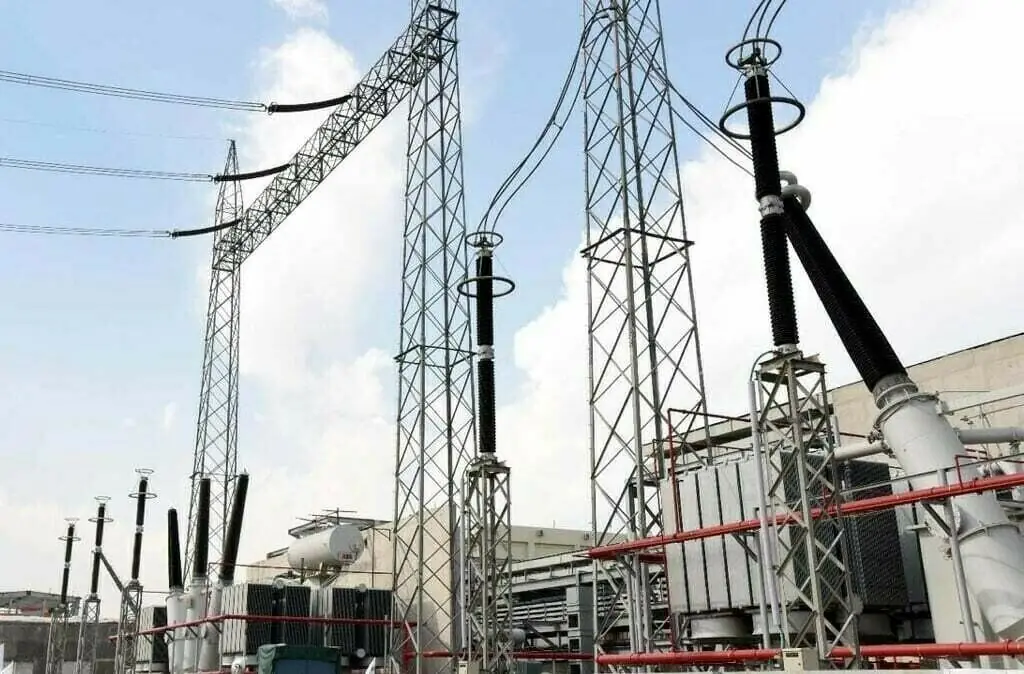
ISLAMABAD: The federal government is preparing the country’s first-ever Power Sector Indigenisation Plan (PSIP) 2026–35, a comprehensive roadmap aimed at strengthening domestic manufacturing capabilities in the country’s power sector ecosystem. The plan focuses on the strategic indigenisation of Electrical Power Equipment (EPE) to reduce import dependence, stimulate local industrial growth, and position Pakistan as a competitive player in regional energy supply chains. Drawing lessons from countries such as China, India, and Turkey, the proposed framework outlines a phased strategy. Near-term measures include standardised procurement and policy alignment; mid-term initiatives focus on investment in testing infrastructure and industrial clusters; while long-term objectives emphasise research, design capabilities, and advanced manufacturing. READ ALSO: Indigenising power equipment The strategy draws upon data from Pakistan’s IGCEP and TSEP plans, international trade statistics, and reports from the Ministry of Energy, NEPRA, and other relevant bodies. The plan comprises nine chapters: (i) strategic context and macroeconomic case; (ii) global and regional market assessment; (iii) Pakistan’s electricity market scale and realities; (iv) local manufacturing and supply chain development; (v) international benchmarking; (vi) policy and regulatory framework; (vii) promotion of new technologies and future grid equipment localisation; (viii) implementation roadmap, tariff adjustments, and fiscal incentives; and (ix) institutional and governance architecture. The Power Division has emphasised that indigenisation must be supported through fiscal and financial incentives, demand commitments, and international collaborations. Trade policy reforms will define: (i) import-substitution priorities; (ii) phased localisation pathways tied to investment milestones; (iii) tariff rationalisation favoring local production; and (iv) demand guarantees through public procurement commitments. A significant portion of Pakistan’s power projects is financed by international lenders such as the World Bank and the Asian Development Bank (ADB), or executed by foreign EPC contractors. The government is engaging these stakeholders to align procurement frameworks with national localisation goals. Standard bidding documents for donor-funded projects are being revised, including efforts to secure No-Objection Certificates from the World Bank to incorporate local preference clauses in competitive bidding. Initial progress has been observed in some ADB-funded distribution projects, where local meter manufacturers successfully competed and won contracts. Chinese EPC contractors operating under CPEC are also being encouraged to form partnerships with domestic firms. As a result, certain CPEC projects have begun sourcing towers, cables, and hardware from Pakistani manufacturers, reducing foreign exchange outflows and project timelines. Pakistan imports a wide range of generation, transmission, and distribution equipment, including transformers, switchgear, cables, meters, and control systems. Official data indicates that imports of electrical products declined from USD 539.1 million in FY2022 to USD 416.8 million in FY2023 — a 23 percent reduction. However, this decline largely reflects short-term macroeconomic stabilisation rather than structural self-sufficiency. Without focused indigenisation, planned grid expansions under NTDC’s Transmission System Expansion Plan and new generation projects under IGCEP 2025–35 will continue to sustain high import volumes. A robust trade policy is considered central to the plan’s success. Tariffs and fiscal instruments are being redesigned not only as revenue tools but also as instruments of industrial policy. The current challenge includes inverted duty structures, where imported finished goods face lower tariffs than raw materials or components — discouraging domestic manufacturing. To address this, the government is considering maintaining or expanding exemptions on inputs and capital equipment, including zero Customs duty on raw materials and machinery, sales tax relief on key components, and accelerated depreciation allowances for plant, tooling, and testing facilities. These measures aim to lower investment barriers and align Pakistan’s policy framework with practices adopted in emerging manufacturing economies. With these reforms, local manufacturers are projected to capture 30–35 percent of procurement spending in targeted categories within three years, compared to less than 15 percent currently. Increased order volumes are expected to drive economies of scale, reduce unit costs, and narrow the price gap between domestic and imported products. Government analysis suggests that by 2030, several EPE categories could become cost-competitive without protective preferences, provided sufficient scale is achieved during the transition period. The plan anticipates that foreign firms will increasingly establish joint ventures or local assembly operations in response to procurement reforms. International OEMs, particularly in switchgear and grid equipment, may set up assembly lines in Pakistan to remain competitive in NTDC and Disco tenders, facilitating technology transfer. In FY2023, Pakistan attracted USD 1.456 billion in total Foreign Direct Investment (FDI) and tellingly the power sector received the largest share – USD 622.6 million (42.8pc of total FDI). This underscores that power is viewed as a high-priority segment by investors. As of 2025, Pakistan’s demand for electrical power equipment is still overwhelmingly met through imports – over 90 percent of EPE requirements are supplied by foreign-made products. Despite various government initiatives to promote domestic manufacturing, local production remains limited in both in scope and scale. In practice, many power project developers and contractors prefer imported machinery, often procuring nearly 100 percent of major plant equipment from abroad. This heavy import reliance reflects gaps in local production capability, especially for high-tech or high-capacity equipment and underscores the urgency of accelerated indigenisation efforts. The figure above illustrates Pakistan’s EPE import trends over the last decade (selected HS code categories for motors, generators, transformers, switchgear and cables). Overall, imports of EPE grew from around USD 641.4 million in 2014 to a peak of USD 1.360 billion in 2021, before dipping slightly in 2024 as macroeconomic pressures and import restrictions took hold. Combining imports and local output, the total EPE market size in Pakistan has grown from roughly USD 3.4 billion in 2015 to about USD 5.2–5.3 billion in 2024 (a 5pc CAGR). This reflects the country’s expanding power infrastructure needs. For instance, the market for power transformers (all voltages combined) is now well over USD 1.3 billion annually (local + imported) and for switchgear and control gear (all types) around USD 1.0 billion. The ongoing and planned projects in generation, transmission and distribution over the next decade mean this market could expand further. The challenge and opportunity for Pakistan is to have a greater share of this large pie be supplied by Made-in-Pakistan equipment. Among the key recommendations are: (i) introduction of a localisation score in bid evaluations, allocating 15–20 percent weight to Domestic Value Addition (DVA). Bidders will submit Local Content Declarations (LCDs), subject to verification. This modernises earlier domestic preference provisions and integrates indigenisation into formal procurement criteria while maintaining competition; (ii) duty exemptions and sales tax relief on plant, machinery, and spare parts for approved indigenisation projects; (iii) accelerated depreciation allowances for new manufacturing and testing infrastructure; (iv) tax holidays or reduced tax rates for critical facilities such as high-voltage testing laboratories, certification centers, and R&D hubs; (v) gradual increase in import duties on finished EPE products as verified local capacity becomes operational, ensuring quality standards are met before tariff adjustments; and (vi) elimination of distortive fiscal anomalies, including withdrawal of certain concessions favoring imports in donor-funded projects and restoration of zero-rated sales tax on power-sector machinery to prevent refund-cycle capital lockups. Officials maintained that a calibrated combination of procurement reform, fiscal incentives, tariff restructuring, and institutional support will enable Pakistan to progressively localise power sector manufacturing while safeguarding efficiency and competitiveness. Copyright Business Recorder, 2026