


 Guardian Australia
 ‘The camera is my weapon of choice’: Gordon Parks’ era-defining shots of segregation – and those who defied it
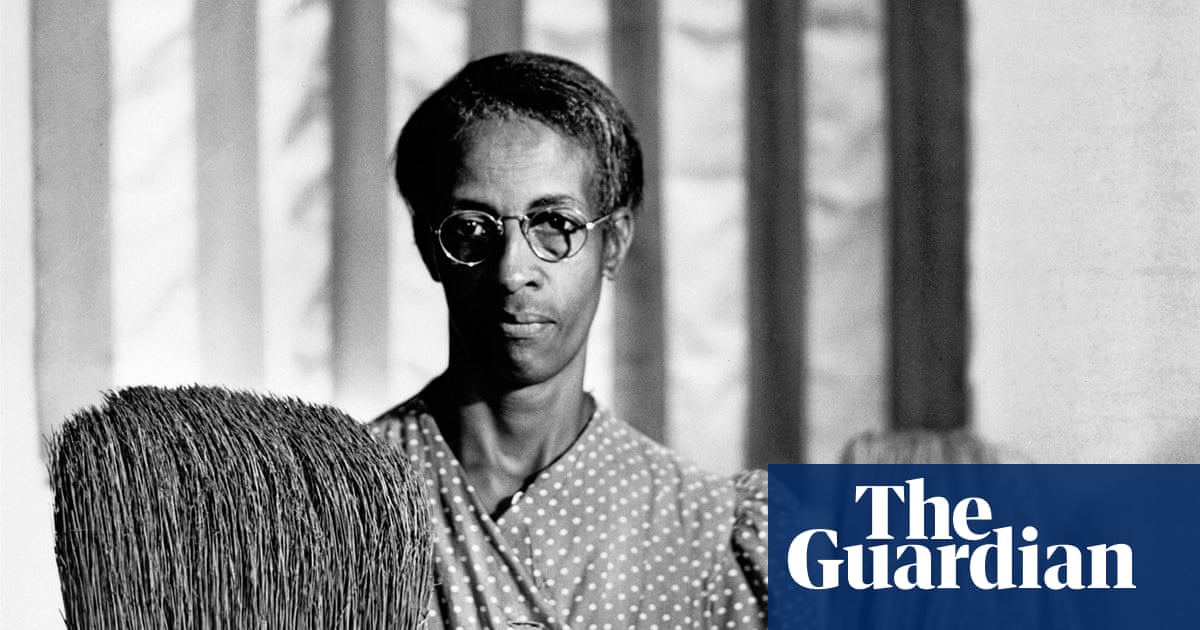
The visionary photographer captured the ugliness of racism in America, as well as the strength and dignity of those who opposed it – from cleaners in the corridors of power to Martin Luther King Jr proclaiming his dream In the summer of 1956, the American news magazine Life dispatched its first Black staff photographer, Gordon Parks, to Alabama, with a brief to document racial segregation in the wake of the Montgomery bus boycott. The trip was a perilous one , but Parks, then in his early 40s, was already on a career trajectory that would mark him out as one of the most consequential artists of his generation. The images he returned with were remarkable: intimate and vivid depictions of the daily disgrace of the Jim Crow south. They still feel prescient today. The photographs form the backbone of a new survey of Parks’ work, opening this week at the Alison Jacques gallery in London and curated by Bryan Stevenson, the famed civil rights attorney. Stevenson is based in Montgomery where he founded a museum and memorial to commemorate Black victims of lynchings and where some of Parks’ work hangs on permanent display. He selected images taken between 1942 and 1967, the artist’s most active time as a photographer and an acute period of unrest in the American experiment. Continue reading...