


 Guardian Magazine
 Rachel Roddy’s recipe for apple, honey and poppy seed cake | A kitchen in Rome
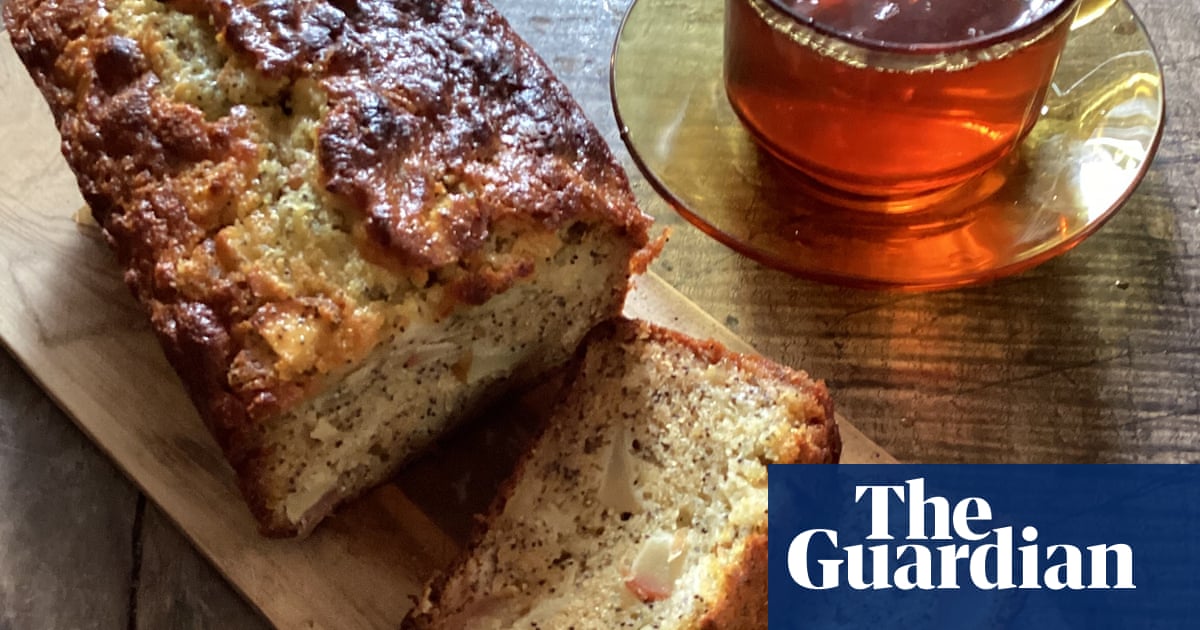
The chemistry and alchemy of honey’s special kind of sweetness, and how it complements just the right kind of apples in a humble yet delicious cake Honey is, among other things, a successful embalming agent. It is also a humectant, which isn’t an eager cyborg, but one of many short-chained organic compounds that are hygroscopic, meaning they attract and hold water, which in turn prevents hardening and encourages softness. Other hardworking humectants are glycerine, which is what keeps face creams creamy and hydrating, and sorbitol, which ensures toothpaste can be squeezed and smeared all over the sink and on the mirror. Honey, though, is the humectant that’s most suitable for this week’s recipe: a one-bowl, everyday cake inspired by my neighbour’s Polish honey cake, miodo wnik , combined with the tortino di mele e papavero (apple and poppy seed cake) enjoyed at a station bar in Bolzano. Not only does honey keep the cake moist, its sweetness comes largely from fructose, which is naturally sweeter than refined sugar, so the perception of sweetness is much greater even when less is added. I have suggested 160g, but adjust as you see fit. The small amounts of amino acids in honey also mean that the chemical Maillard reaction is more pronounced as the cake bakes, resulting in caramelisation and a crust the colour of chestnut, as well as a deep, nutty flavour. While I am sure all varieties of honey will work well, I can particularly recommend chestnut honey and Greek pine honey, both of which have complicated, almost malty notes that pair well with the apple and the pleasing, slightly bitter but also soil-like taste of poppy seeds. Continue reading...