


 Business Recorder
 Imminent energy crisis: key challenges
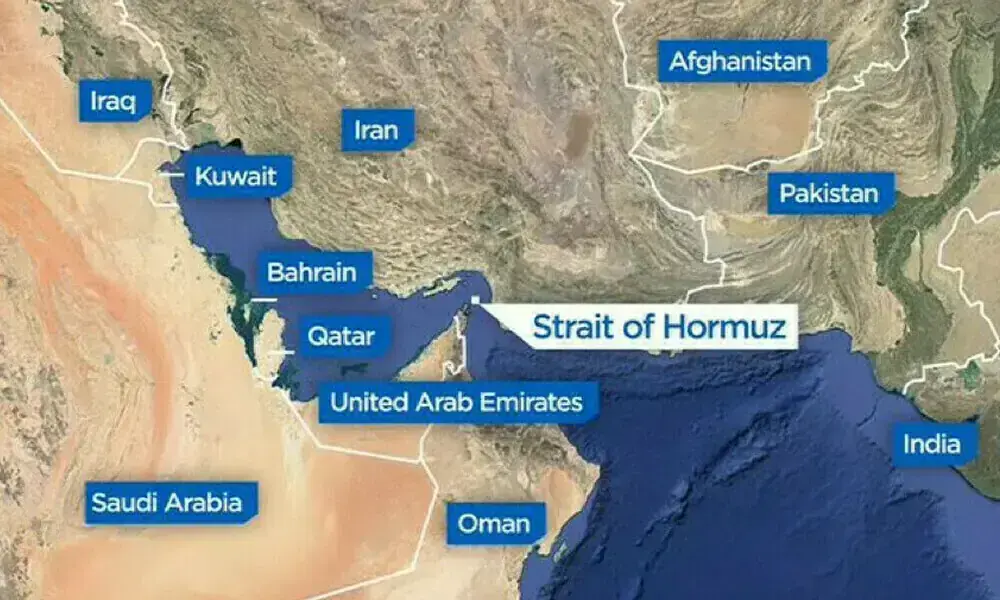
EDITORIAL: In the aftermath of the Iran war, which has engulfed the entire GCC (Gulf Cooperation Council) region, not only are oil and gas prices rising sharply, but supplies have also been severely constrained. The Strait of Hormuz is shut, and oil and gas supplies are heavily restricted for many countries, including Pakistan. An energy crisis is rapidly brewing in Pakistan. It has just begun and could become very serious. The spike in petroleum products’ prices is much steeper than the rise in crude oil prices. As of yesterday, diesel prices had soared to USD 130s per barrel, while petrol prices were approaching the USD 100 mark. This is despite Brent crude remaining in the USD 80s range. Although the country has about three to four weeks of petroleum reserves and roughly 10 days of crude oil, retail-level petrol and diesel shortages may appear much earlier. Petrol pumps are already rationing supplies in the northern regions. With expectations of sharp price increases in the coming days, dealers are buying aggressively and possibly hoarding supplies. The only way to avert this challenge or situation is to revise petroleum prices in line with international prices as soon as possible. The government is considering increasing prices on a weekly basis. It should do so, but the first increase must come earlier to disincentivize hoarding. At the same time, the government may not fully pass on the entire impact to consumers, as it would be too burdensome. It could reduce the petroleum levy and remove, or fix in rupees rather than as a percentage, the import duties on crude oil and petroleum products. Whatever the government decides, it should not take much time. The pricing decision will help avert immediate shortages and contain the fiscal impact. However, if the war persists, shortages across the broader energy sector are inevitable. Qatar has already halted its RLNG supply. A large portion of petroleum and crude supplies has been curtailed, although some cargoes may arrive through alternate routes due to the closure of the Strait of Hormuz. Shortages—especially in the power sector—are becoming increasingly likely. Within a few weeks, Punjab may face several hours of load-shedding due to high air-conditioning demand and the absence of RLNG. The government is rightly increasing domestic gas and crude oil supply, which had earlier been curtailed due to surplus RLNG imports. However, this will not be enough to meet demand. Imported coal may also be unable to fully fill the gap. In the coming weeks, petroleum supplies could become limited despite higher refinery utilisation. The government therefore needs to work on reducing demand through administrative measures. The work week may need to be reduced to four days, and Eid holidays could be extended. Remote work should become mandatory for certain businesses and educational institutions. These steps, along with upward revisions in prices, could help curb petroleum demand. Secondly, the government should ensure adequate energy supply to industries, as gas supplies to some sectors are already being curtailed. The government should reduce the levy on furnace oil and allow industries to use it as an alternative fuel. Exports of furnace oil should be banned and supplies diverted to domestic industries. This would also help increase refinery throughput. A holistic approach is required, and emergency decision-making is the need of the hour. There will inevitably be inflationary pressures and possible exchange-rate adjustments. The crisis must be managed carefully, beginning with timely adjustments in energy pricing and measures to anchor demand. Copyright Business Recorder, 2026