


 Ruptly
 'We have cars but can't go where we want' - Yangon locals queue for fuel as Middle East tensions shake oil markets
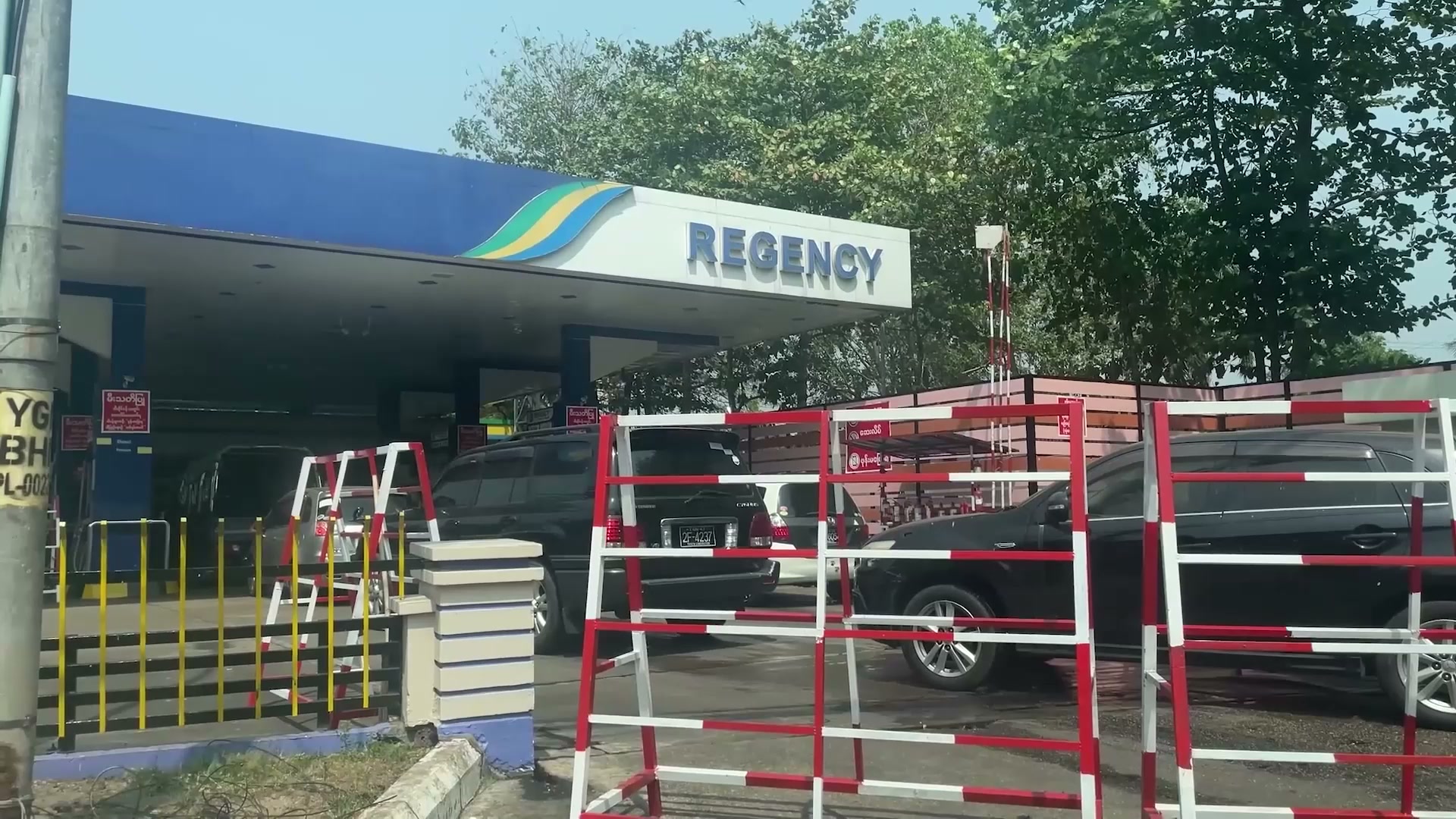
"Motorists swarmed gas stations in Yangon on Thursday as authorities prepared to revise fuel prices in line with global markets, bracing for further increases amid escalating tensions in the Middle East. Footage shows cars queuing at a gas station as staff refuel vehicles, with fuel prices displayed on a digital board, before a tanker truck arrives to replenish supplies. "We have cars, and we want to go where we want to go, when we want to go," one local motorist said, describing the frustration of new odd-even driving restrictions. "It has become a pattern where we can't drive on even days and can't drive on odd days. We have to set today as the day I go out and tomorrow as the day I don't go out, which is very frustrating for us," he persisted. He added that the restrictions were set to take effect from March 7. "Now, we can't buy gasoline even if we want to buy it on the days of the week. In townships with a lot of cars, we have to queue up for a long time. I am worried that we will run out of fuel." Commenting on the wider crisis, he remarked, "I don't want war to happen. If there is a war, the countries will suffer, and the citizens in these countries will also suffer." Global gas and oil prices surged after US and Israeli attacks on Iran and Tehran's retaliatory strikes targeting Israel and US assets across the Gulf. Iran warned it had 'closed' the Strait of Hormuz, a key oil transit route carrying nearly 20 percent of global supply, while QatarEnergy halted production following the attacks. The escalation came after US and Israeli strikes on Iran on Saturday morning, with Tehran responding with strikes across the region. Iranian Supreme Leader Ayatollah Ali Khamenei was confirmed dead in the attacks, following several rounds of talks between Washington and Tehran."