


 The Advocate
 Kristi Noem is a cautionary tale for white gay Republicans
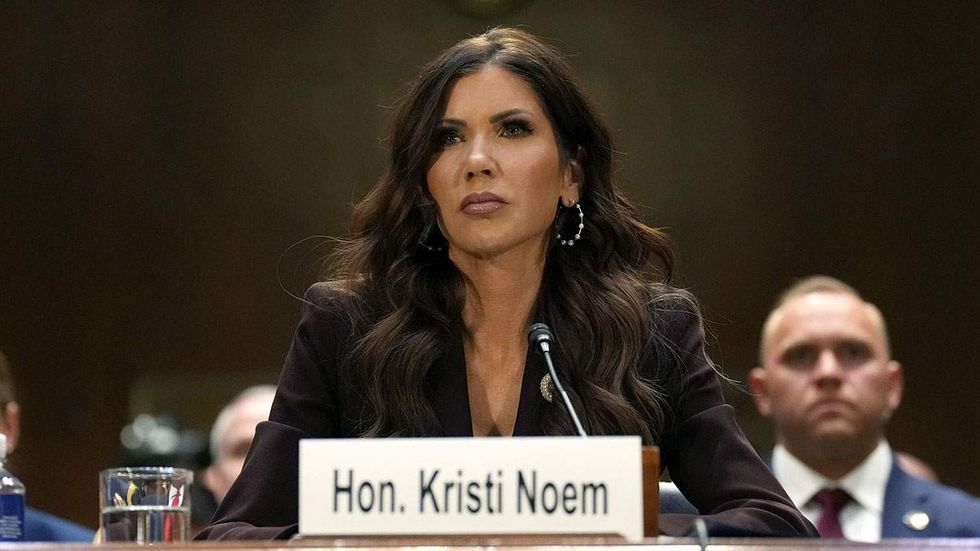
This is not a defense of Kristi Noem . Keep up with the latest in LGBTQ + news and politics. Sign up for The Advocate's email newsletter. Noem has spent years aligning herself with some of the harshest immigration policies in modern American politics. Her tenure at the Department of Homeland Security was defined by aggressive enforcement campaigns, expanding ICE operations, and a political culture that openly celebrated human suffering as collateral damage in the name of deterrence. Critics across the political spectrum condemned the expansion of immigration detention and the increasingly punitive posture of federal enforcement agencies. Her public persona has long leaned into that posture of ruthless decisiveness. In her memoir, she recounted shooting a young hunting dog named Cricket and a goat she deemed troublesome — a story that sparked widespread backlash when it surfaced during her national political rise. Related : Kristi Noem struggles as Republicans & Democrats grill her in fiery Senate hearing Related : Who is Kristi Noem? A look at the anti-LGBTQ+, dog-killing governor and vice president aspirant None of that deserves rehabilitation. Noem openly participated in a system that has inflicted enormous damage on vulnerable people. She helped sell it to the public. She defended it on camera. She built her political identity around it. And still, the system is now discarding her. Noem’s removal as Homeland Security secretary and reassignment to the newly invented role of special envoy for the “Shield of the Americas” arrived only after the political pressure surrounding those policies became inconvenient for the administration she served. Washington has long relied on this maneuver. When public anger becomes too loud to ignore, the machinery of government rarely dismantles the policies that produced the outrage. Instead, it moves the most visible official and invites the public to believe that accountability has finally arrived. The deeper structure remains untouched. Related : Kristi Noem is running a digital marketing agency touting her beauty and idiocy while ignoring U.S. security Related : Kristi Noem won’t say if gay asylum-seeker deported to El Salvador’s ‘hellhole’ prison is still alive Immigration detention in the United States has become a vast and profitable industry . Tens of thousands of people are held across a network of facilities operated largely by private prison corporations. Companies such as GEO Group and CoreCivic generate billions in revenue through government detention contracts, with profits rising as enforcement expands. The system continues to grow. Immigration detention populations have surged in recent years, and federal planning documents have explored expanding detention capacity dramatically. Detention centers will not close because one cabinet official was reassigned. Private prison companies will not abandon contracts that generate enormous profits. The policies that built this system remain the policies of the administration that created them, while public attention shifts toward the person leaving the stage, and institutional failure begins to look personal rather than structural. The men who designed the strategy remain embedded inside the machinery of government, insulated from the consequences of their own decisions. Reports from journalists and human-rights groups have repeatedly documented abuse and neglect inside immigration detention facilities, including deaths in custody and inhumane conditions . Regardless of what conventional wisdom might claim, women are not born to function as the safeguards of male power. They are not the natural custodians of systems built without their consent, nor do they exist to absorb the fallout when those systems fracture. When women in government become the most visible defenders of policies shaped within male political networks, representation stops functioning as equality and becomes camouflage. The appearance of inclusion conceals a structure in which the architects of power remain insulated while women stand at the point of impact. Related : House Oversight Dem Robert Garcia celebrates Kristi Noem’s firing: ‘Now we don’t have to impeach her’ American political culture has long been comfortable with this arrangement. Women in public life are routinely reduced to spectacle before their ideas are ever examined. Sarah Palin’s national debut in 2008 produced a wave of jokes about her hair, her voice, and her wardrobe long before sustained debate over the substance of her policies took hold. The pattern has repeated itself again and again across party lines: America humiliates women first and debates their politics later. The dynamic serves a convenient purpose. When a controversial policy begins to collapse under public scrutiny, the most visible defender of that policy becomes the natural target of public anger. Institutional failure begins to look like the fault of a single individual rather than the product of a system built and maintained by powerful men. Noem is not the victim in this story. She helped build the machine that produced so much suffering in the first place. But misogynistic power structures have always been ruthless about one thing: When the political cost of a policy becomes too high, they sacrifice everyone except the men who designed it. For a brief moment, Noem enjoyed the protection that comes from aligning herself with those men. She embraced the role they offered her. She shaped herself to fit the culture they rewarded. She defended the machinery they built. And now the machinery moves on without her. That pattern should be familiar to anyone who believes proximity to power offers protection. Systems built on cruelty and hierarchy rarely provide lasting safety to the people who help operate them. They discard those people the moment the political cost becomes inconvenient. For white gay men who imagine that proximity to this system offers protection, the lesson should already be clear: It does not. History has shown this pattern repeatedly, and it does not change simply because someone believes they have found a place inside the machinery. Josh Ackley is a political strategist and the frontman of the queerpunk band The Dead Betties. Follow at @momdarkness and listen to music on Spotify . Voices is dedicated to featuring a wide range of inspiring personal stories and impactful opinions from the LGBTQ + community and its allies. Visit out.com/submit to learn more about submission guidelines. We welcome your thoughts and feedback on any of our stories. Email us at voices@equalpride.com. Views expressed in Voices stories are those of the guest writers, columnists, and editors, and do not directly represent the views of Out or our parent company, equalpride.