


 Business Recorder
 PM Shehbaz told sufficient POL stocks available for now
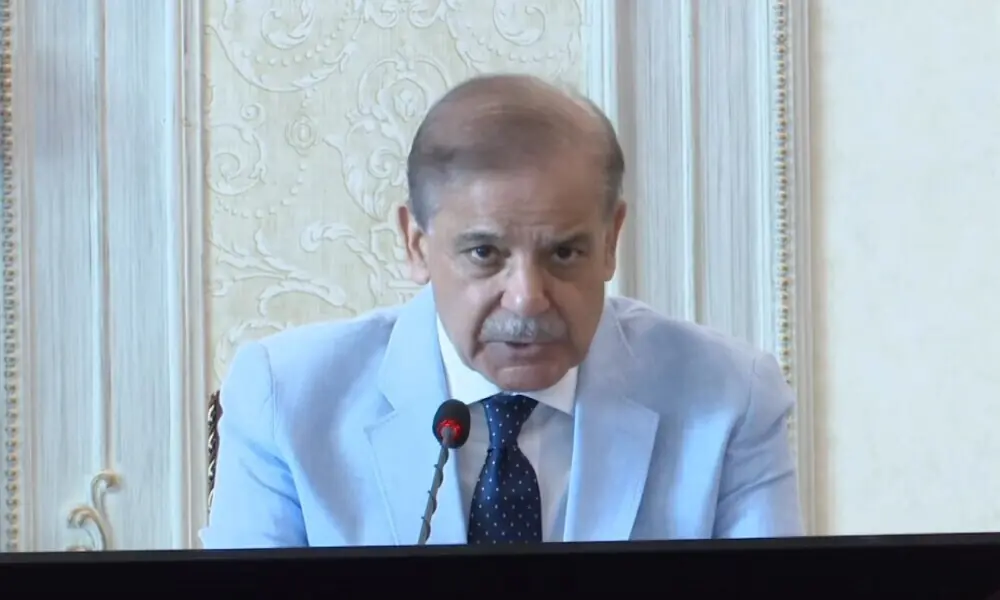
ISLAMABAD: Prime Minister Shehbaz Sharif was informed on Friday that Pakistan’s petroleum reserves are sufficient to withstand the ongoing crisis in the Middle East, despite signs of sharp volatility in global oil and gas markets following escalating military actions involving Iran. In a high-level meeting chaired by the Prime Minister, officials from the Petroleum Ministry provided a detailed assessment of the country’s fuel stocks, confirming that domestic reserves remain adequate despite the precarious regional situation. According to sources, the prime minister also approved a proposal to adjust petroleum product prices on a weekly basis. READ MORE: Govt monitoring petroleum supplies amid Gulf tensions: Aurangzeb Additionally, the PM directed that recommendations on online work and work-from-home policies be submitted on Monday, following consultations with the provinces. Finance Minister Muhammad Aurangzeb briefed the prime minister on fuel stocks and consumption. Sources said the Economic Coordination Committee (ECC) has approved the summary on petroleum products, with final approval to be granted by the federal cabinet set to be held on Monday. The move is aimed at promoting efficient use of fuel stocks and curbing demand. A statement issued by the Prime Minister’s Office said officials confirmed that the country’s petroleum stocks are currently sufficient to meet domestic demand. Sharif, however, emphasised the need to prevent artificial shortages, instructing provincial authorities to take “strict legal action” against hoarders. He also ordered that any petrol station found engaging in illegal stockpiling should face immediate closure, have its licence revoked, and be subjected to legal prosecution. In addition, Sharif directed Federal Minister for Petroleum Ali Pervaiz Malik to work closely with provincial governments to develop a national strategy for the conservation and uninterrupted supply of petroleum products. He further instructed that a central dashboard be established to track the movement of petroleum products, enabling real-time data sharing with provincial authorities and closer monitoring of fuel transportation across the country. The discussions come amid heightened tensions in the Middle East, as the US and Israel’s military engagement with Iran enters its seventh day. The conflict has disrupted supply chains and paralysed maritime traffic through the Strait of Hormuz, a critical route for global oil exports, causing sharp spikes in international energy prices. Pakistan, which relies heavily on imported oil, has already requested Saudi Arabia to facilitate an alternative supply route through the Red Sea to safeguard its energy security. The meeting was attended by Deputy Prime Minister and Foreign Minister Ishaq Dar, federal ministers Jam Kamal, Ahad Cheema, Muhammad Aurangzeb, Attaullah Tarar, Ali Pervaiz Malik, and Awais Leghari, Governor of the State Bank of Pakistan (SBP) Jameel Ahmad, and the chief secretaries of all four provinces, including Azad Jammu and Kashmir and Gilgit-Baltistan. Copyright Business Recorder, 2026