


 Business Recorder
 PM Shehbaz orders an economic action plan amid global uncertainty
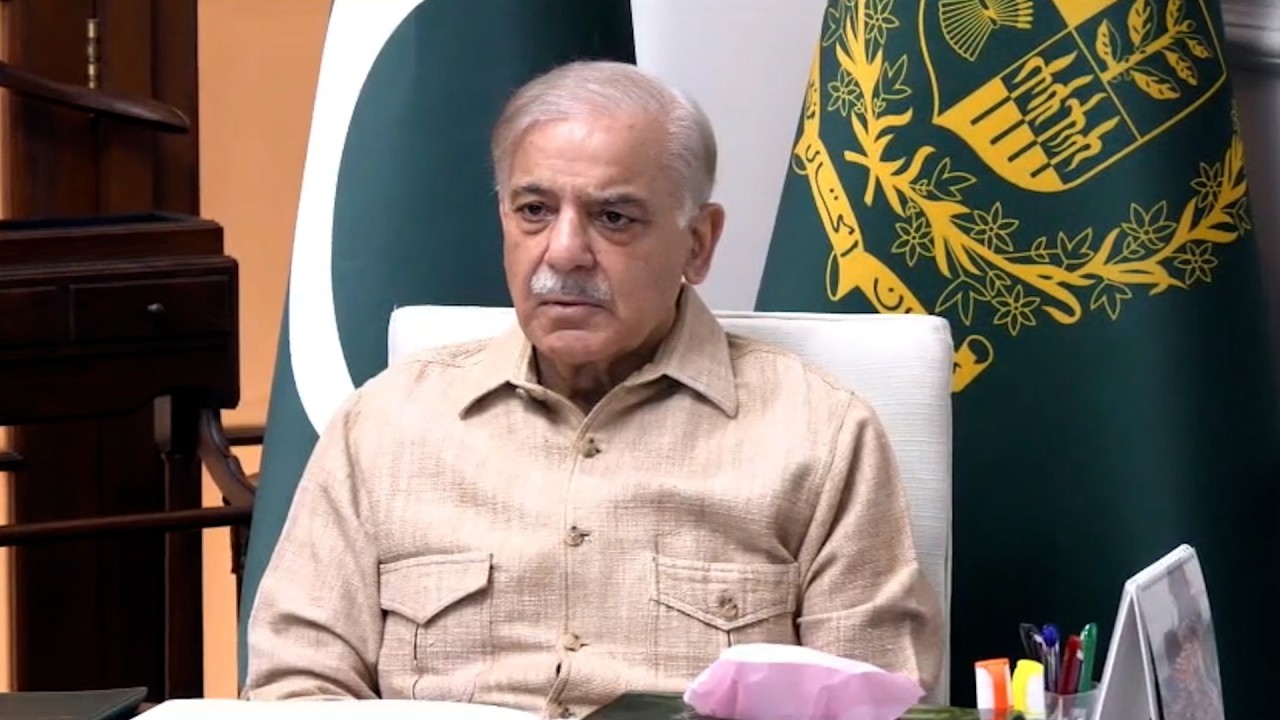
Prime Minister Shehbaz Sharif on Saturday chaired a meeting to review the country’s economic situation in the current global context. During the meeting, a briefing was given on recent global tensions and their economic impact on the region, read a statement. The prime minister directed a committee to formulate a plan of action focusing on economic development, austerity and saving in the wake of the current global economic uncertainty. The committee was formed last week to assess the economic impact of the recent tensions in the Middle East. It is already working on a plan of action, which, according to the statement, helped ensure that there was no shortage of petroleum products in the country. According to the statement, the recent decision to increase petroleum product prices was taken following the committee’s recommendation. It was informed that only a minimum burden of the global increase in POL prices was passed on to consumers. The Pakistan government on Friday announced a Rs55 per litre increase in the prices of petrol and diesel, a decision in line with rising international oil prices. Following the increase, the price of petrol rose to Rs321.17 per litre, effective from midnight, while diesel climbed to Rs335.86 per litre. Energy prices are soaring as the US-Israel war with Iran constrains oil and fuel exports. Meanwhile, the prime minister directed the committee to work more actively and present actionable proposals within the next 48 hours. “Any petrol pump or company found involved in creating artificial shortages or hoarding should be closed immediately and its licence cancelled, while legal action should also be taken,” PM Shehbaz said. The prime minister also instructed the finance minister and the petroleum minister to visit the four provinces and prepare a plan, in coordination with provincial governments, to ensure savings in petroleum consumption and its uninterrupted supply. On Friday, PM was informed that Pakistan’s petroleum reserves are sufficient to withstand the ongoing crisis in the Middle East, despite signs of sharp volatility in global oil and gas markets following escalating military actions involving Iran.