


 Ruptly
 'This is a desecration... He's a half-wit idiot!' - Backlash in Budapest as Zelensky appears to issue Orban 'death threat'
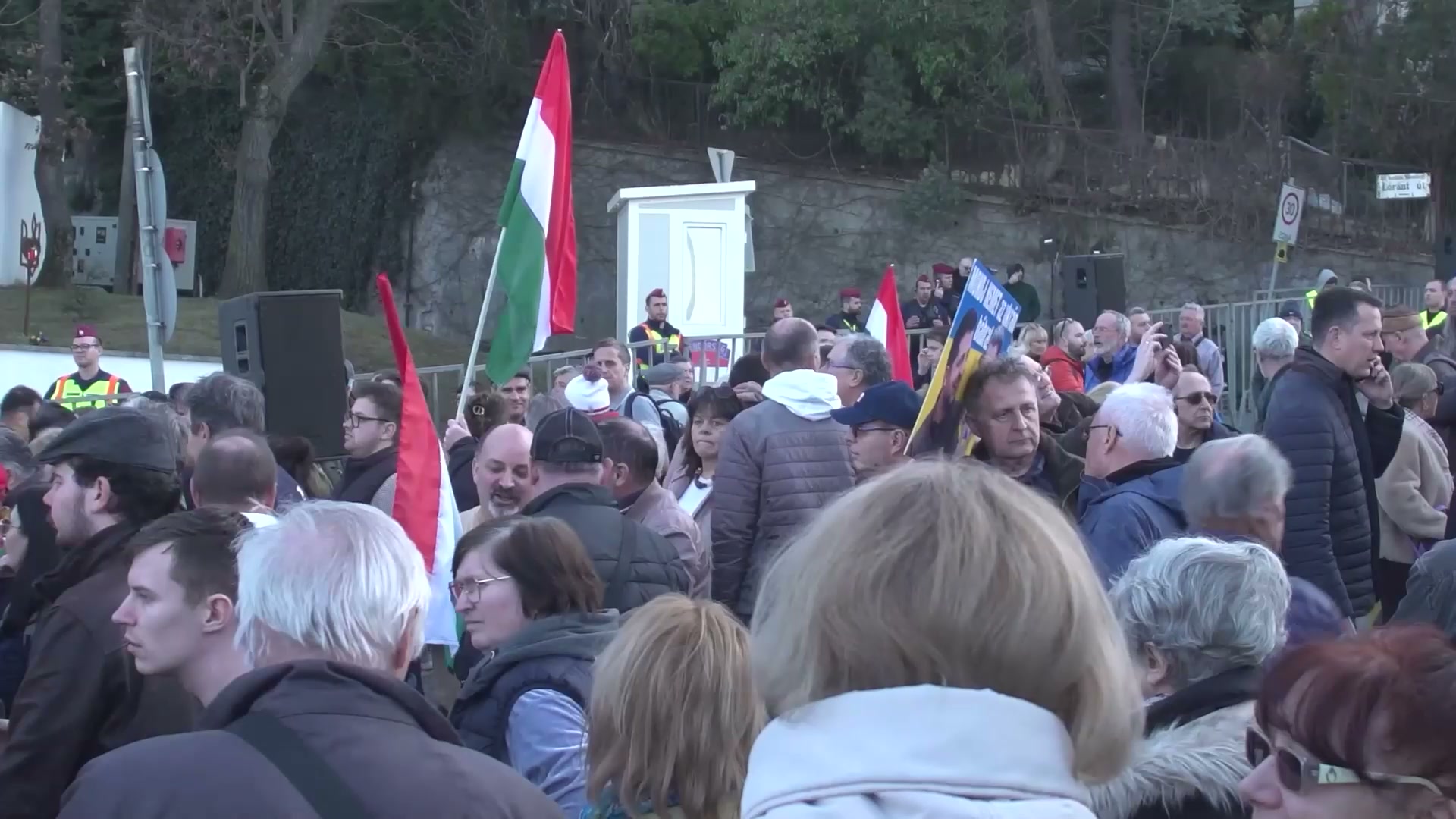
"Locals in Budapest voiced anger on Friday after Ukrainian President Volodymyr Zelensky made an apparent 'death threat' toward Hungarian Prime Minister Viktor Orban amid an escalating dispute over the Druzhba oil pipeline. “He's a half-wit idiot. Who lets his folk bleed?” one local man said. “There won't be any men left in Ukraine!” “This is a desecration to all the Hungarian people!” another resident added. “Threatening our prime minister like that! I am not an Orbanist, but I won't tolerate this!” Others took a more measured view, suggesting the exchange was political rhetoric rather than a serious threat. “I think at this point both sides should agree on civilised terms, not this game of give-and-take. Zelensky got carried away with his passion; it wasn't a good idea,” a Budapest resident said. “Technically, it was a threat. I think he's overly pushed and it was an overreaction. It wasn't the sort of threat that they (Orban and his team) would like to take seriously,” another resident added. The controversy followed comments by Zelensky on Thursday, warning Orban not to block a proposed €90 billion European Union loan package for Ukraine. “We will give the address of that person to our armed forces… and let them call him and speak with him in their own language,” Zelensky said. Orban responded later the same day, saying “It’s not about me. It’s about Hungary.” The exchange comes amid rising tensions between Budapest and Kiev over energy supplies and European support for Ukraine. Hungary and Slovakia have accused Ukraine of deliberately halting oil flows through the Druzhba pipeline for political reasons after deliveries stopped in January. Kiev has said the disruption was caused by damage resulting from a Russian attack. Hungary has since halted diesel supplies to Ukraine and blocked the European Union’s 20th sanctions package against Russia. Budapest has also threatened to block the bloc’s proposed €90 billion loan to Kiev unless oil deliveries through the Druzhba pipeline resume. The Druzhba pipeline has long served as a key route for Russian oil shipments to parts of Central Europe."