


 Dawn.com
 Industry questions fuel price surge despite ‘old stocks’
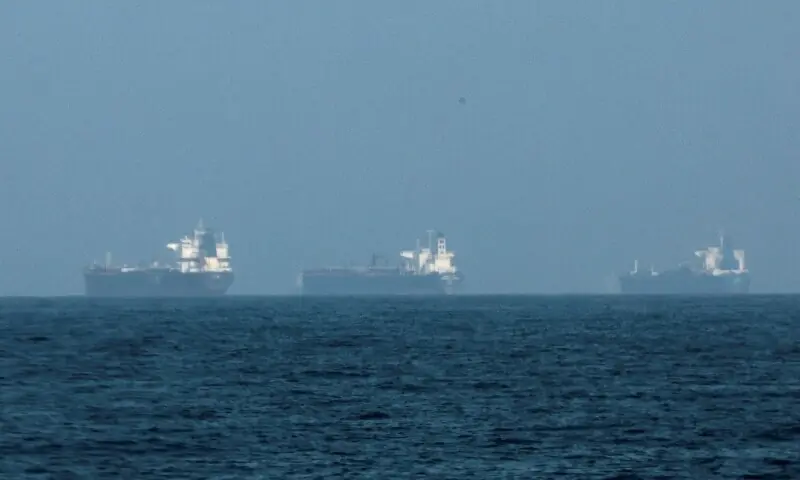
Tankers are seen off the coast of Fujairah, as Iran vows to close the Strait of Hormuz.—Reuters KARACHI: Though Pakistan is not part of the ongoing conflict in the Middle East, it is the first victim in the region as the government raised oil prices while the high-cost oil is still at sea; the 28-day stocks are being sold at prices yet to reach consumers. India kept petrol and diesel prices stable despite global price spikes, but LPG prices were increased. The Indian government has so far managed high import costs for crude. Trade and business people were disappointed with the sudden jump in oil and diesel prices by Rs55 per litre, while ordinary citizens were highly concerned about the ripple effects of this oil price hike. “The easiest way to extract money is to bomb the common citizens and destroy the already ailing economy,” said Syed Shakil, a textile industry worker. He said the textile industry was facing tough times and could face the most difficult times in the wake of the Middle East war. Industry people were looking at several major impacts as a result of this war: unexpected high inflation, increases in interest rates, a larger fiscal gap, a wider current account deficit, imbalances in the exchange rate, and higher federal government debts to deal with rising spending in the wake of inflation spikes. “We are already working at the lowest profits for our products. If the inflation hits as it looks imminent, we will not be able to produce cheaper products and compete in the international market,” said Amir Aziz, an exporter of textile products to EU countries. He said there was no hindrance for exports to Europe, but shipping companies had already increased costs, which meant our next consignments would be more expensive. He added that buyers had to pay shipping charges, which meant that they would demand even lower prices for our products. Inflation risks Similarly, financial sector experts fear that high inflation could escalate government spending, requiring more money and seriously distorting fiscal gap targets for FY26. The government has been borrowing heavily from banks this year compared to last year, according to the latest State Bank data. The federal government borrowed three times more during the first eight months (up to Feb 20), amounting to Rs2.413 trillion compared to Rs724 billion in the same period last year. Increasing debt servicing already consumes a maximum share of the budget. More borrowing means more debt, leaving little for development spending, which is one reason for very poor GDP growth. Another State Bank report shows that the federal government’s domestic debt increased by Rs5.734tr from January 2025 to January 2026, reaching Rs55.978tr. “The government may need external inflows in the coming weeks and months if the war prolongs, as both exports to the Middle East would fall and remittances could decline,” said a financial expert. So far, the foreign exchange reserve of the State Bank has been rising, reaching $16.3bn, but economic trouble across the Middle East could lead to a steep decline. These oil-rich countries are unable to sell their oil and fear that their US investments may be at risk. Published in Dawn, March 8th, 2026