


 Ruptly
 'We are in a crisis' - Havana's urban farms turn to microgreens as US energy blockade hits food production
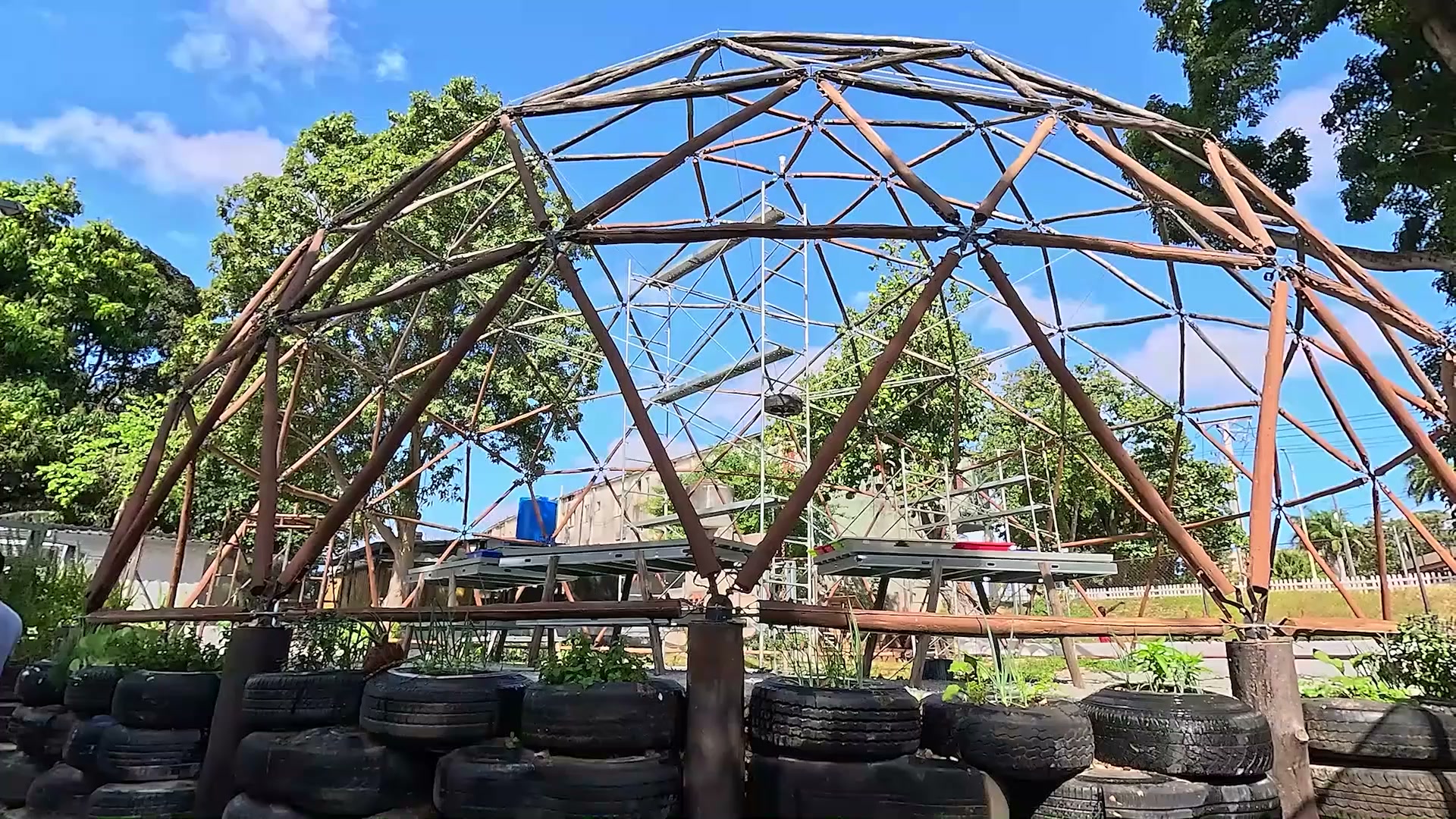
"An urban agriculture project in Havana is being developed to grow and market microvegetables, focusing on high-nutritional-value products amid the energy crisis triggered by the US blockade. The initiative, called 'En Paralelo', includes the construction of the country's first wooden geodesic dome greenhouse, a unique structure aimed at improving growing conditions and expanding food production. Footage captured on Friday shows the place where the project is being developed by its founder, Oliesky Fabre, who began the idea during the COVID-19 pandemic amid difficulties accessing fresh food. "We are in a context of a crisis. We always say that crisis contexts are sometimes good for entrepreneurship because of the resilience that is required," Fabre said about the current situation in the country. Microvegetables, as edible plants harvested at an early stage of growth, stand out for their high concentration of vitamins and antioxidants. For this reason, Fabre said the project also explores the role of these foods in urban nutrition. "We are interested in the nutritional value of these foods; we have an open line of research and study where we are interested in the part of urban nutrition, in how communities feed themselves," he noted. Although he said that 'production processes are very short', the energy crisis represents logistical challenges for the project, such as distributing microvegetables to restaurants and local consumers. The team uses electric transport to deliver its products, which requires carefully organising charging times. According to Rene Orellana, Latin America Representative of the Food and Agriculture Organisation of the United Nations (FAO), the fuel shortage caused by the oil embargo imposed by Washington is limiting the use of machinery for work in the agricultural sector. As a result, urban agriculture projects have emerged in search of more efficient ways of producing food. The En Paralelo initiative received recognition in 2022, when the World Food Programme chose it among 200 initiatives as one of the 10 projects with the most innovative solutions to fight hunger in Latin America and the Caribbean. It comes as Cuba faces a worsening humanitarian situation, marked in recent months by shortages of food and fuel due to prolonged failures in the electricity system and the impact of United States sanctions, after Washington recently announced tariffs targeting countries that supply oil to the Caribbean nation. According to data presented by Cuba to the United Nations, the sanctions caused losses of more than 7.5 billion dollars between 2023 and 2024, affecting imports, financing and key sectors such as food, energy and health."