


 Ruptly
 Dutch drivers cross into Belgium for cheaper fuel as oil prices surge amid Iran conflict
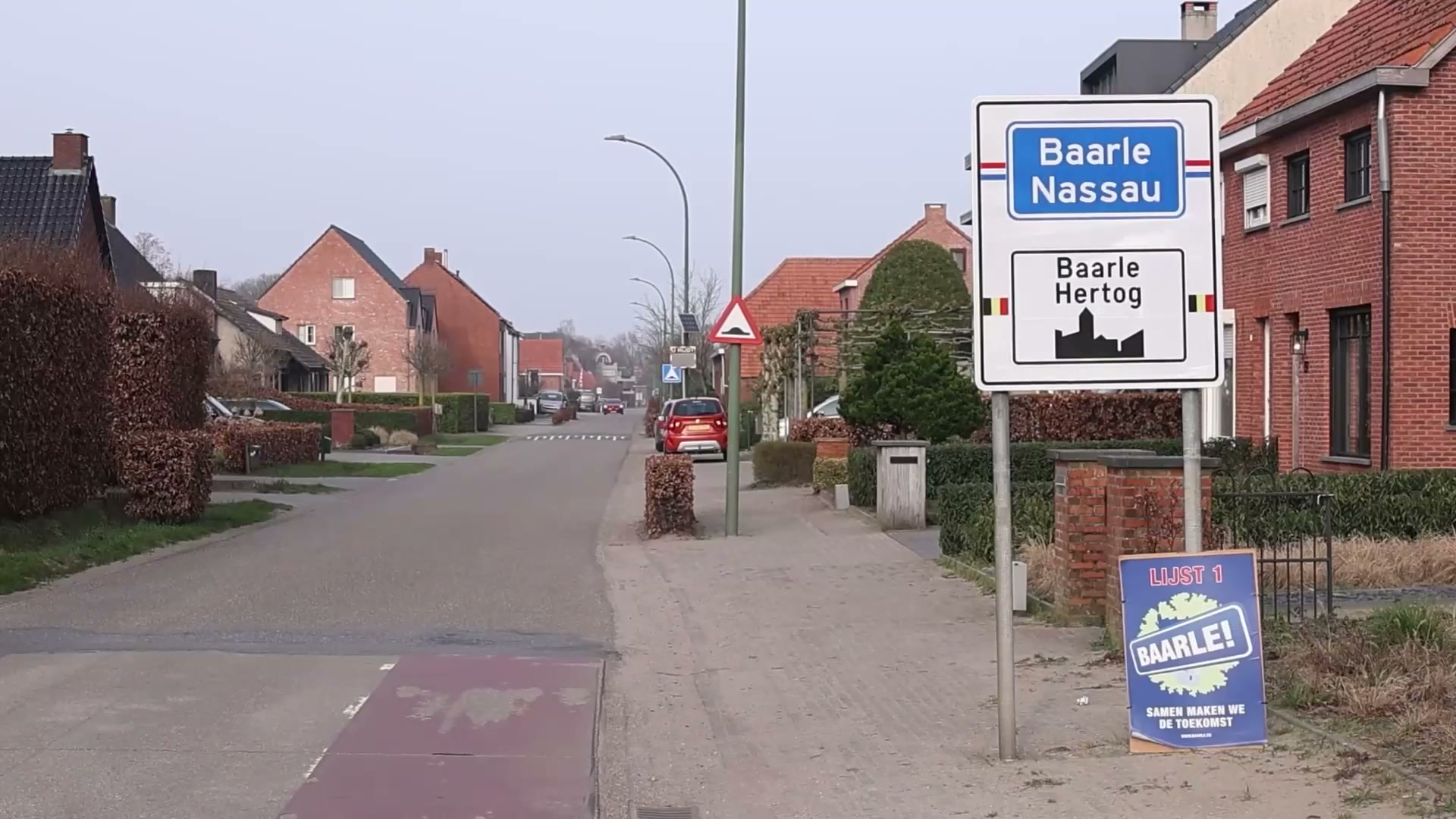
"Motorists in the Dutch border town of Baarle-Nassau are driving across the border to the neighbouring Belgian town of Baarle-Hertog to fill up their fuel tanks due to rising petrol prices caused by escalating tensions in the Middle East. Footage from the area filmed on March 7 shows largely deserted petrol stations on the Dutch side, while queues of cars line up at stations just across the border in Belgium. Some drivers travel less than three kilometres to reach cheaper pumps before returning to the Netherlands. The price displays highlight the significant difference between the two countries. At one station in Belgium, petrol is priced at 1.53 EUR per litre, while in the Netherlands it is 2.32 EUR - a difference of over 50 per cent. According to the latest practices, petrol (Euro 95) currently costs roughly 1.49-1.60 EUR per litre in Belgium, while prices in the Netherlands are typically around 2.04-2.06 EUR per litre. The surge in prices comes amid rising global oil costs following the conflict involving Iran. Markets reacted strongly after the United States and Israel launched strikes on Iranian targets, pushing the price of Brent crude up by roughly 10-13 per cent in the early days of the escalation. Traders fear potential disruptions in the Strait of Hormuz, a critical shipping route through which around 20 per cent of the world’s oil and gas supplies pass. Any disruption to tanker traffic could significantly tighten global energy supplies. Concerns have also grown after some Gulf producers reportedly reduced production or temporarily halted exports, contributing to oil prices climbing from roughly 70 USD per barrel to more than 100 USD. However, the large gap between Dutch and Belgian petrol prices is largely driven by tax policy. The Netherlands has some of the highest fuel taxes in Europe, with duties and VAT accounting for roughly 64 per cent of the final pump price. Belgium, by contrast, imposes lower excise duties on petrol, and the government has occasionally reduced fuel taxes to cushion the impact of price spikes, widening the gap between the two neighbouring countries. The wider energy shock follows the United States and Israel's joint attack on Iran on the morning of February 28, resulting in the killing of Iranian Supreme Leader Ali Khamenei. Tehran later announced retaliatory strikes against Israel and US assets across the region. Tensions have since escalated, engulfing the wider region in turmoil."