


 The Better India
 After Struggling to Afford Her Own Meals, This Woman Now Serves 4,500 to Families in Need
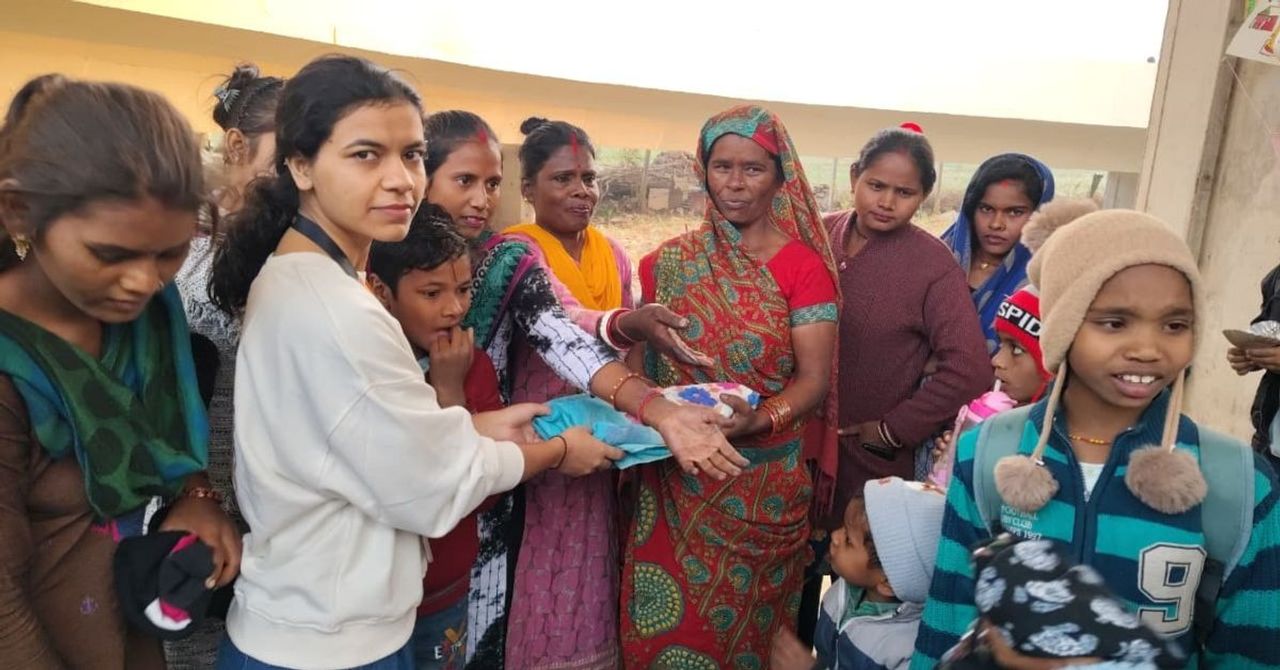
The holy month of Ramadan is more than fasting. It is a time of reflection, gratitude, and compassion — a reminder that hunger should never stand between a person and their dignity. For many families across India, however, the reality is far more difficult. While some prepare elaborate meals for Iftar, others struggle to arrange even a simple plate of food to break their fast. For Sumbul, this reality is deeply personal. When she first arrived in Noida in 2018, she had just Rs 7,000 with her. After paying for travel and essential expenses, barely Rs 2,000 remained — money that had to cover food and daily survival. “I realised very quickly what it means to worry about your next meal,” she recalls. “Hunger does not just affect the body. It affects your confidence and mental peace too.” That experience stayed with her long after her situation improved. And in 2021, it inspired her to start something that could help others facing similar struggles. Determined that no family should have to face hunger alone, Sumbul founded the Aapke Saath Foundation — a volunteer-led initiative that focuses on supporting people in need through food assistance and community outreach. Today, one of the foundation’s most meaningful efforts takes place during Ramadan . Bringing dignity to Iftar tables As the evening call to prayer approaches in parts of Delhi, Noida, and Bareilly, volunteers begin distributing food packets to families preparing to break their fast. Many of the recipients are daily wage workers, ragpickers, or migrant families who struggle to secure consistent meals. For them, the arrival of these food packets means they can observe Ramadan with dignity rather than uncertainty. Volunteers organising essential groceries such as rice, lentils, and oil for Ramadan ration kits. The initiative provides both freshly prepared Iftar meals and ration kits containing essentials such as rice, flour, lentils, and cooking oil. Last year, the team distributed over 100 meals daily, reaching nearly 3,000 people throughout the month. This year, they hope to increase that number to 150 meals each day — potentially serving more than 4,500 meals during the Ramadan season. In addition to the meals, the initiative also plans to distribute around 100 ration kits to families who need longer-term food support. “Hunger creates emotional stress as much as physical discomfort,” says Sumbul. “Our aim is to make sure families can observe Ramadan with peace of mind.” Powered by young volunteers Much of the initiative’s work is carried out by a small but dedicated team of volunteers. The foundation currently operates with a core group of 10 members and 17 volunteers, most of them young individuals between the ages of 22 and 32. Together, they identify communities where families are struggling the most and organise the preparation and distribution of meals. Each Iftar meal packet is thoughtfully prepared with essentials like dates, fruits, snacks, and a wholesome cooked meal. Campaign volunteer Aditya explains that the effort depends heavily on community participation. “We reach out to families who are facing real financial difficulty,” he says. “These could be daily wage workers or households where earning opportunities are irregular. Even a simple meal packet can make a difference.” For many families, the ration kits offer something even more valuable than food — a sense of stability. Knowing that basic groceries are available for the next few days allows parents to focus on work, children, and daily life without the constant worry of where the next meal will come from. A reminder of the power of community For Sumbul, the initiative reflects a belief she discovered through her own experiences: that collective action can create change far greater than individual effort. “I realised that as a single person, you can only help a few people,” she says. “But when communities come together, the scale of help multiplies.” Ramadan, she believes, is a powerful reminder of that shared responsibility. At its core, the month encourages empathy — urging people to reflect on the struggles of others and respond with generosity. Through simple acts such as sharing meals, supporting neighbours, and volunteering time, that empathy can translate into meaningful change. For the families who receive these meals, the impact is immediate. A hot plate of food after a long day of fasting offers not only nourishment but reassurance that someone cares. A simple meal shared in kindness becomes a powerful reminder that when communities come together, compassion can restore dignity and hope. And for Sumbul, it is a quiet reminder of why she started. Because sometimes, the smallest acts of kindness — a meal shared, a ration kit delivered, a volunteer showing up — can restore something far greater than food. They restore dignity, hope, and the feeling that no one has to face hardship alone. Why your contribution matters Charity need not be large to be meaningful. A donation of Rs 100 can sponsor an Iftar meal, providing nourishment and dignity to someone fasting. A contribution of Rs 750 can supply a ration kit, ensuring food security for a family for days. Even smaller donations add up, enabling the distribution of meals and essential supplies. As Sumbul reminds us, “For someone, Rs 100 may seem small, but for a family struggling to eat, it can mean fruits for Iftar or a meal that gives them strength.” Giving is more than financial assistance — it is an expression of humanity and a step toward restoring dignity and opportunity. When communities invest in one another, the ripple effects are powerful: children receive better nutrition, families regain stability, and societies move closer to equality. Every meal shared and every ration kit delivered is a step toward building a world where dignity is universal and hunger has no place. How you can help Supporting the Ramadan drive is simple and transparent. Donation options: Rs 100 – Sponsor an Iftar meal Rs 750 – Provide a ration kit for one family Donate any amount — every rupee creates impact Donation details: UPI: +91 9582527110 Account Name: AAPKE SAATH FOUNDATION Account Number: 50200065795880 IFSC: HDFC0001887 For 80G tax receipts and impact documentation, donors can email: info@asf.org.in (include name, contact, and PAN details). Donation link Transparency ensures trust. Documentation ensures accountability. More importantly, it ensures that every contribution reaches those who need it most. A month of dignity and compassion Ramadan is a time of reflection — a reminder that generosity and empathy define our shared humanity. No family should face hunger during a month dedicated to kindness. No child should wait in uncertainty for a meal. Together, we can change that with small acts of giving , we can create large stories of hope. This Ramadan, let us turn fasting into action and charity into impact. Every meal shared and every ration kit delivered is a small but powerful step toward a world where dignity is given, hope is restored, and no one is left behind. All images courtesy Aapke Saath Foundation