


 Ruptly
 'We've been waiting for this measure for years' - Mali prioritises local companies, products in new public procurement directive
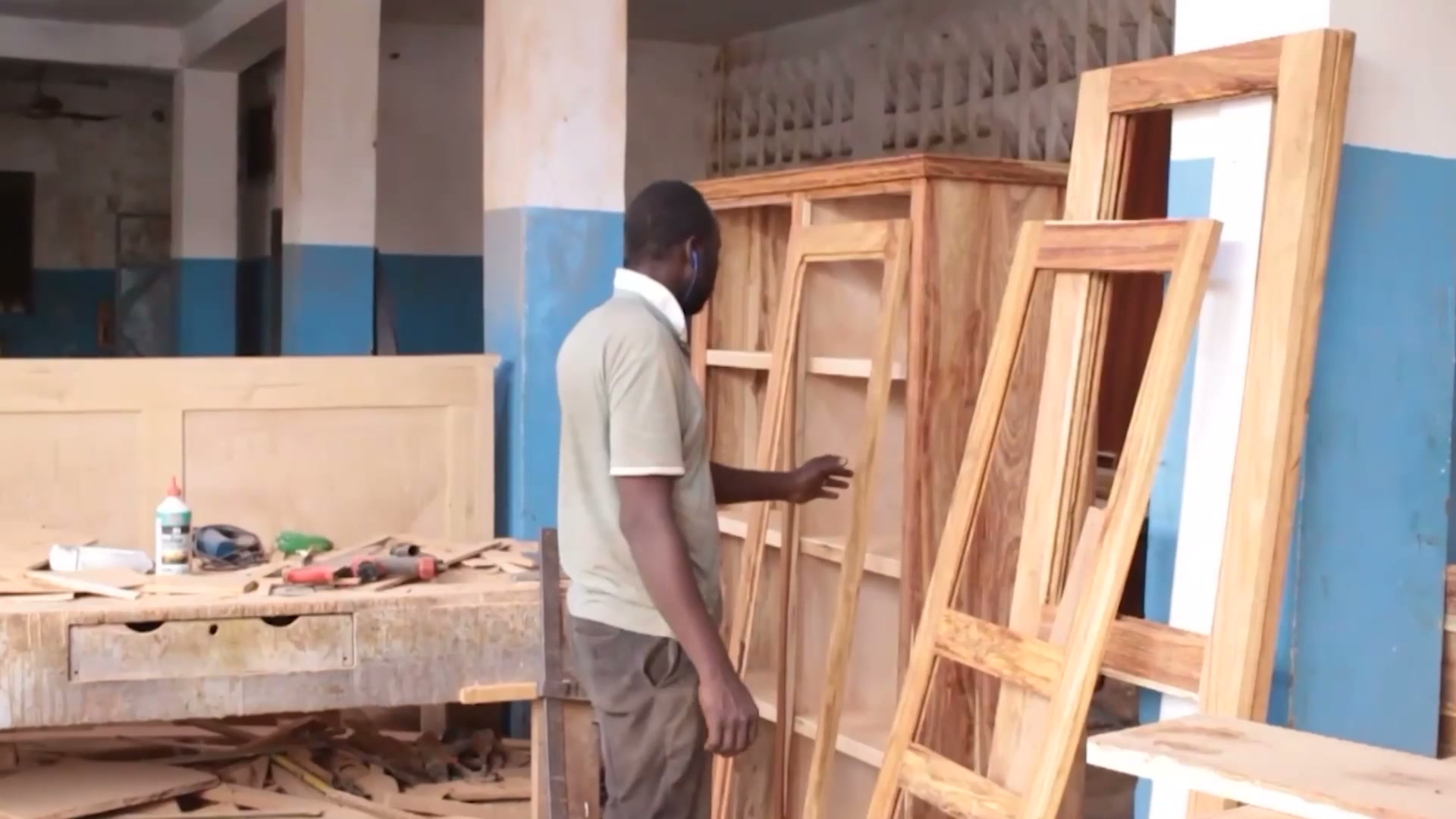
"The authorities in Mali have announced a new economic policy that puts national companies and domestic products at the centre of government procurement. This is part of a broader set of reforms aimed at promoting economic self-sufficiency. The government has outlined revised procedures for the awarding of public contracts, giving clear preference to Malian small and medium-sized enterprises (SMEs) and locally manufactured goods. Under the new measures, ministerial offices are reportedly going to be equipped with furniture that is designed and manufactured in Mali. Government institutions will also prioritise the use of locally produced items, such as tea, domestically processed juices, and natural beverages. Products for hygiene and maintenance, manufactured by Malian industrial units, will also receive priority. Each ministry will also be required to allocate 100 million CFA francs in their 2026 budgets specifically for purchases aimed at the national market. "At this level, we must commend the authorities who wanted to improve Decree No. 2018-0473, which focuses on directing public procurement toward SMEs and national production," said Menkoro Traore, President of the Permanent Chamber of Trades of Mali, speaking from Bamako on March 6. He noted that the decree designed to support local businesses had not produced the expected results, prompting authorities to reinforce the measure following instructions from the head of state. Traore also mentioned that improved access to public contracts could help artisans formalise their businesses and gain access to financing. He explained that bank support is often easier to obtain for businesses that hold government procurement contracts, as this demonstrates their reliability and credibility. Aboubacar Sidiki Fomba, a member of the National Transitional Council, said the decision aligns with recommendations from national consultations aimed at strengthening economic sovereignty. With between 25 and 28 ministries expected to set aside funds, Fomba said the combined allocations could channel several billion CFA francs into the domestic economy, describing the measure as only the beginning of broader reforms. Artisans have welcomed the initiative. Salimata Dissa said that local producers had long been capable of supplying goods previously imported from abroad, adding that many artisans were pleased with the government's decision. Business leaders also praised the move. "We have been waiting for this measure for years. Fortunately, the government has taken this step this year to support artisans by allowing them to supply products to the public market," said Mahamadou Kagnacy, CEO of Kagnassy Company. Officials believe that redirecting public spending towards domestic enterprises will turn state procurement into a driver of growth, supporting employment, promoting industrialisation, boosting the competitiveness of SMEs, and encouraging the circulation of wealth within the country."