


 Dawn.com
 War Diary Day 17: Iran war hits decisive inflection point
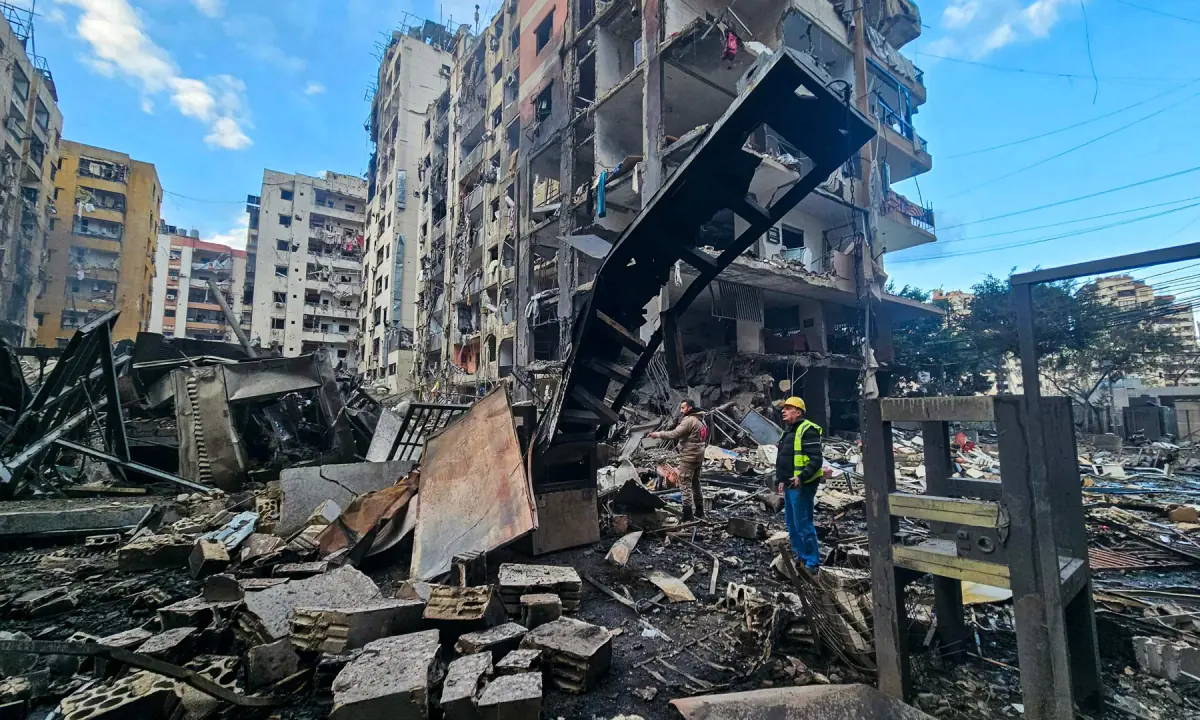
The US-Israel war against Iran entered a decisive inflection point on Monday, the 17th day of fighting, as persistent restricted movement through the Strait of Hormuz and Israel’s large ground assault in southern Lebanon erased any remaining notion that the conflict would be a short one. What was initially framed in Washington and Tel Aviv as a rapid coercive campaign to force regime change in Tehran is increasingly showing the contours of what some strategists are already describing as a potential strategic defeat for the US in terms of its inability to restore the pre-war regional order despite its overwhelming military force. Trump’s diplomatic push yields little US President Donald Trump has since yesterday pressed allies and partners, including Nato members and Asian economies dependent on Gulf oil, to contribute warships, escorts or minesweepers for a multinational effort to reopen Hormuz. The argument from Washington is that the strait is a global economic lifeline and its closure cannot be tolerated. Yet the diplomatic push has yielded little. European capitals, already facing interceptor shortages and domestic political sensitivities, have quietly signalled reluctance. Switzerland went a step further and declined US requests for overflight clearance. Meanwhile, a Terminal High Altitude Area Defence battery was quietly withdrawn from the region, and China has stepped up military activity around Taiwan. The reluctance is rooted in grim ground realities where the operational environment is rapidly deteriorating. Insurance costs for tanker transits through Hormuz have surged more than fivefold, many insurers have withdrawn coverage altogether, and freight rates for supertankers have soared after Iran struck 18 vessels in or around the strait. Selective opening of Hormuz Yet the disruption is not indiscriminate. Iranian forces appear to be selectively permitting passage for some ships, particularly those linked to India , Turkey and China. In a notable development, a tanker crossed the strait with its automatic identification system signal fully active, suggesting it had obtained explicit clearance from the Islamic Revolutionary Guard Corps and signalling Tehran’s confidence in managing limited commercial traffic on its own terms. The selective reopening reinforces the central dilemma facing Washington. Without broad international participation, sustained escort operations would expose US forces to Iran’s anti-ship ballistic missiles and drone swarms already targeting US facilities across the Middle East. As per some reports, even USS Abraham Lincoln had to be repositioned because of harassment attacks by the Iranians. The Pentagon’s own force posture reflects strain, with minesweeping assets previously assigned to the Gulf reportedly redeployed to the Pacific. For now, the coalition Trump has sought remains largely notional. Lebanon theatre While Washington grapples with the Hormuz challenge, Israel has expanded the war’s geography. Israeli forces have launched a major ground offensive into southern Lebanon, advancing along multiple axes from the Mediterranean coast to the eastern border areas. The operation involves several divisions and is supported by the largest reserve mobilisation in Israel’s history. Evacuation orders now cover territory south of the Zahrani River. Israel says the objective is to degrade Hezbollah’s rocket and anti-tank capability and push the threat away from its northern communities that have faced intense Hezbollah bombardment since the start of the Iran war. But the scale of the operation and the doctrine guiding it point to broader aims. Israeli officials have signalled interest in establishing a security zone north of the border and using pressure on Lebanese infrastructure to force political concessions from Beirut that would marginalise Hezbollah. Early battlefield reports from the Lebanon theatre suggest the campaign may prove difficult. Hezbollah fighters are already engaging Israeli units in forward villages and using prepared tunnel networks and anti-tank positions. Meanwhile, rocket fire into Israel has continued despite the ground push. This new phase in the confrontation threatens to develop into the kind of prolonged entanglement Israel faced in earlier Lebanon wars. Tehran seeking sustained attrition For Iran, the opening of this front is strategically useful. Hezbollah’s ability to tie down Israeli forces coincides with continuing Iranian missile strikes on Israeli targets and attacks by allied militias on US positions in Iraq and the Gulf. Tehran is, therefore, clearly orchestrating a multi-front pressure campaign that stretches Israeli and American resources simultaneously. Iran’s own military tempo shows little sign of slowing. Missile salvos have continued at regular intervals, including the use of solid-fuel systems capable of rapid launch. At the same time, Iraqi militia groups have intensified drone attacks on US facilities, while Yemen’s Houthis remain poised to enter the fray should the conflict widen further. The emerging picture reinforces the perception that Tehran is seeking sustained attrition rather than dramatic escalation. Washington’s dilemma The economic consequences are already rippling outward. Oil prices have remained above $100 per barrel since last week and energy market modelling warns of a potential global supply deficit if Hormuz disruption persists. Gulf economies, which are heavily dependent on the strait, therefore face the prospect of sharp contraction should the blockade continue for weeks. Analysts also warn that secondary effects could hit fertiliser production, petrochemical supply chains and food prices in the coming months. In light of this, the strategic dilemma for Washington and its allies is becoming clearer. Reopening Hormuz by force risks escalation into direct territorial confrontation with Iran. Yet leaving the strait effectively under Iranian control undermines a central pillar of US regional influence. At the same time, Israel’s deepening engagement in Lebanon threatens to absorb military capacity that might otherwise support operations against Iran. The coming weeks will show whether Washington can reverse the momentum or whether the conflict settles into a longer contest with widening global consequences. Header image: Men inspect a site of overnight Israeli airstrikes in the southern suburbs of Beirut on March 16, 2026. — AFP