


 Dawn.com
 As India seeks Hormuz safe passage, Tehran asks for return of seized tankers, sources say
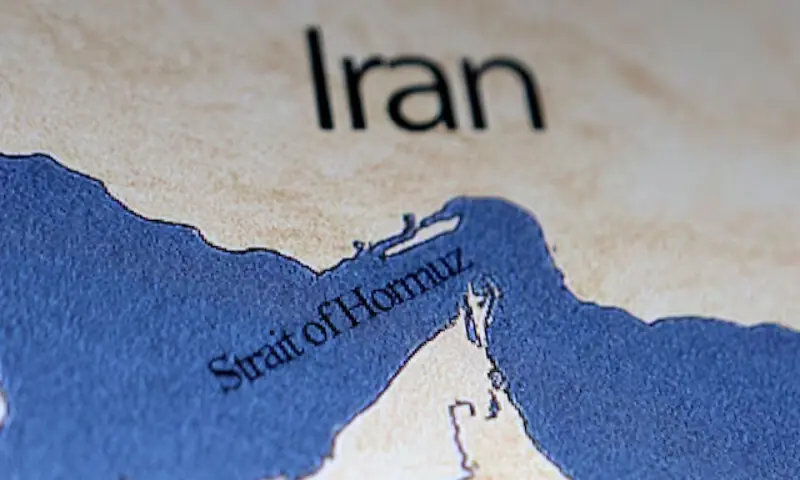
Iran has asked India to release three tankers seized in February as part of talks seeking the safe passage of Indian‑flagged or India‑bound vessels out of the Gulf via the Strait of Hormuz, three sources with knowledge of the matter told Reuters. Indian authorities seized the three Iran‑linked tankers near Indian waters, alleging they had concealed or altered their identities and were involved in illegal ship‑to‑ship transfers at sea. Tehran has also sought supplies of certain medicines and medical equipment, according to one of the sources, an Iranian official. Iran’s ambassador to New Delhi met Indian foreign ministry officials on Monday to discuss the issue, the source said. The sources declined to be named due to the sensitivity of the matter. India’s foreign ministry, the Iranian embassy in New Delhi, and Iran’s foreign ministry did not immediately respond to Reuters’ requests for comment. Iran recently allowed two Indian liquefied petroleum gas (LPG) tankers to pass through the strait, according to Indian officials, and one of them returned to western India on Monday. Traffic has ground to a near standstill on either side of the strait since the beginning of the war in Iran. Asked about negotiations to ensure passage for Indian vessels, foreign ministry spokesperson Randhir Jaiswal said on Monday that recent movements reflected a “history of engagement, of dealing with each other”. He told a daily news briefing that nothing was being exchanged. Since the start of US and Israeli attacks on Iran in late February, Tehran has responded with attacks across the region, including on ships attempting to transit the Strait of Hormuz, killing three Indian sailors and leaving one missing. India said on Monday that at least 22 Indian-flagged vessels and 611 Indian seafarers remained in the Gulf. An Indian source said six of the vessels were loaded with LPG and the country was keen for their passage first to ease a shortage of the cooking fuel. About 90 per cent of India’s total LPG imports come from the Gulf. Iranian-linked tankers anchored off Mumbai Indian authorities seized the tankers Asphalt Star, Al Jafzia and Stellar Ruby, alleging they had concealed or altered their identity and movements, and were involved in illegal ship‑to‑ship transfers. Stellar Ruby is Iranian‑flagged, while the other two vessels are flagged to Nicaragua and Mali. A police complaint filed by the Indian Coast Guard on February 15, and seen by Reuters , said Asphalt Star was involved in the smuggling of heavy fuel oil that was transferred to Al Jafzia and bitumen to Stellar Ruby. All three are currently docked off Mumbai. Around the time of the seizure, Iranian state media cited the National Iranian Oil Company as saying that the three tankers seized had no connection to the company. Jugwinder Singh Brar, whom the United States accuses of running a shipping fleet that helps transport Iranian oil, said he was a consultant for all three ships seized by India and that they had done nothing wrong. “We were transporting bitumen, and there is nothing illegal in doing this. My ships have been there for 40 days, and I have faced losses,” he told Reuters by phone, adding he was not aware of any negotiations over the tankers.