


 The Guardian
 The Guardian view on SUVs: London’s mayor is right to push back on supersize cars | Editorial
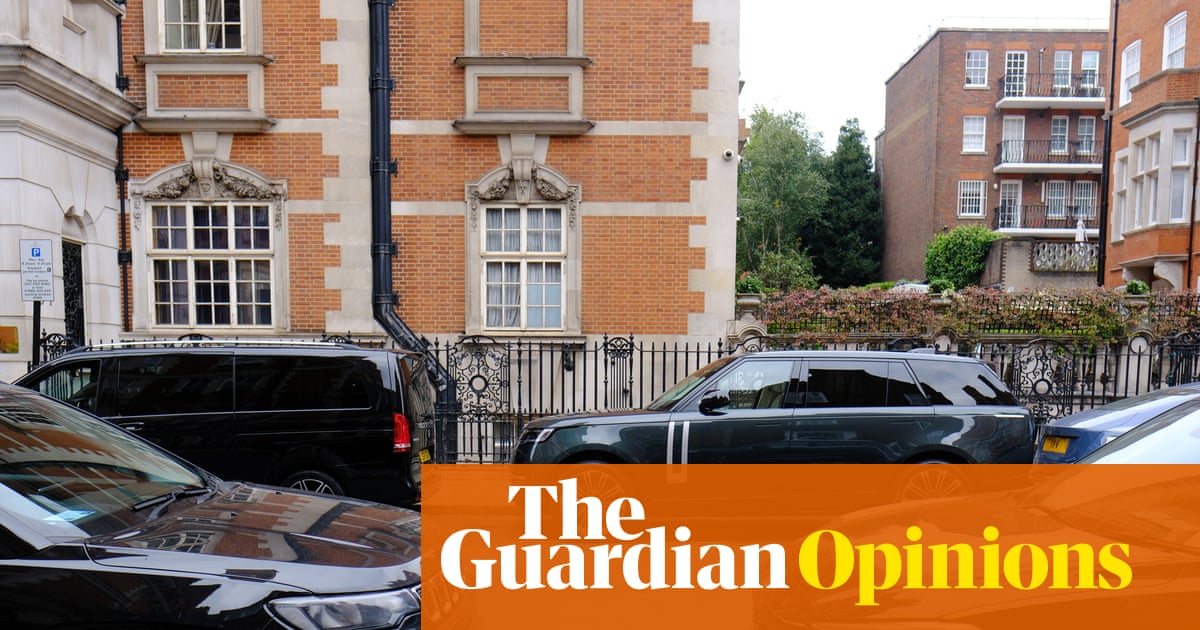
Huge vehicles are popular with drivers, but their wider impacts on road safety and the environment must be tackled No one who walks, cycles or drives around London, or many of the world’s big cities, could fail to notice the vastly increased size of the typical car. A type of vehicle once associated with rural settings and outdoor lifestyles is now ubiquitous. Heavily marketed as sports utility vehicles (SUVs), supersize cars are among the key consumer trends of recent decades. In 2022, they accounted for 46% of global new car sales . For manufacturers, these vehicles are big earners due to higher profit margins . For those inside them, they offer more space and a higher vantage point. But for those on the outside, SUVs have obvious downsides. The threat that they pose to pedestrians is one. Research shows that children are 77% more likely to die if struck by an SUV compared with other cars, due to their size and structure – particularly their raised bonnets. This finding was highlighted in an announcement from the London mayor, Sir Sadiq Khan, that such risks are being scrutinised as part of a wider review into SUVs’ environmental impact. This evidence will provide the basis for policy proposals that are expected to include higher charges for owners. Do you have an opinion on the issues raised in this article? If you would like to submit a response of up to 300 words by email to be considered for publication in our letters section, please click here . Continue reading...