


 Business Recorder
 UBG president advocates for full use of Thar coal resources
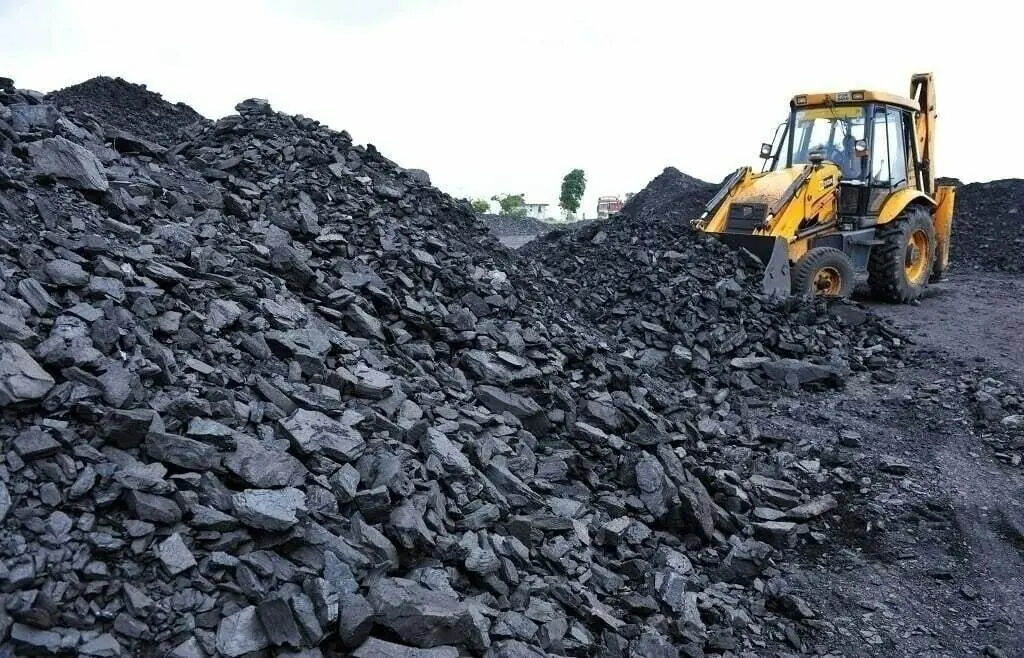
KARACHI: President of United Business Group (UBG) and former president of Federation of Pakistan Chambers of Commerce and Industry (FPCCI), Zubair Tufail has said that the prolonged conflict between United States and Iran is now beginning to negatively affect the economies of Asian and Gulf countries. He stated that global energy markets and supply chains are facing serious uncertainty, while Pakistan’s exports have also been impacted. Tufail said that the closure of the Strait of Hormuz has severely disrupted global oil and gas supplies. Oil production in the Middle East is facing a reduction of up to 10 million barrels per day, and energy companies report that maritime shipping is difficult without Iran’s consent. According to industry assessments, it may take several weeks or even months for the situation to return to normal. He further said that a British news agency reported that after Iran closed the Strait of Hormuz due to the ongoing conflict in the Middle East, the recovery of global energy markets now largely depends on Iran’s decision. Saudi Aramco, Saudi Arabia’s state-owned oil company, has informed buyers that it cannot confirm from which port oil shipments will be exported in April. The ongoing conflict in the Gulf and attacks on ships have disrupted nearly 20 percent of global oil and liquefied gas shipments, which could further worsen economic conditions in major countries, including those in Asia and the Gulf. Referring to a recent report, Tufail said that due to the U.S.–Iran conflict and regional tensions, global energy markets and supply chains are facing extreme uncertainty. In such circumstances, he stressed the urgent need to make full use of Thar coal resources in Pakistan. He said efforts should be accelerated to utilize local Thar coal to its full capacity in order to reduce reliance on imported fuel. Currently, more than 40 percent of Pakistan’s basic energy requirements are met through imported crude oil, refined petroleum products, liquefied natural gas (LNG), and coal. This heavy dependence makes the country highly vulnerable to fluctuations in global prices, which in turn affect inflation and the current account deficit. Copyright Business Recorder, 2026