


 Ruptly
 'Our land is our soul'- Two Habbariyeh residents refuse to leave homes despite Israeli demands for evacuation in southern Lebanon
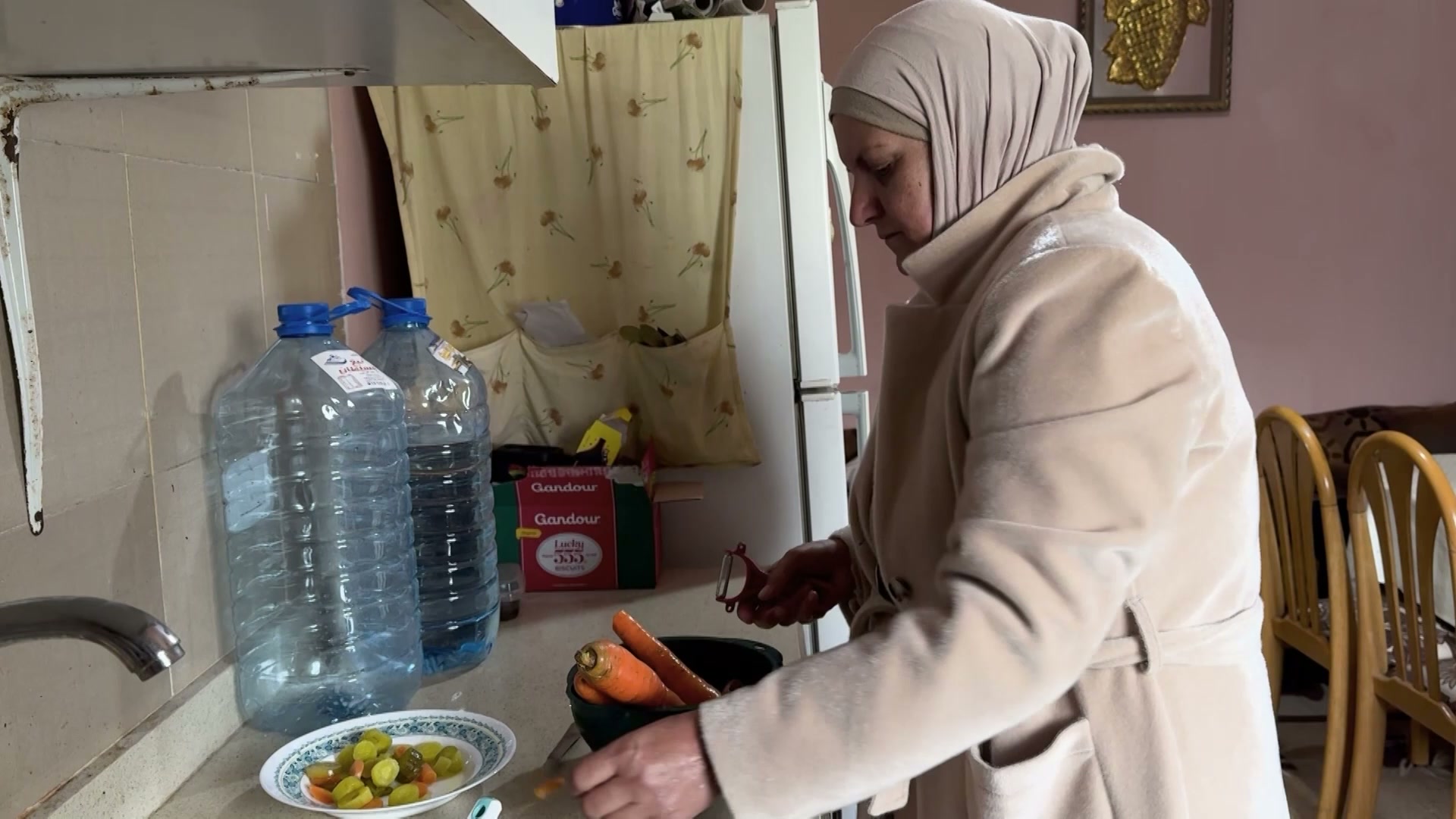
"Two Lebanese residents, Montaha Atoui and Wajih Abu Hammam, have refused to leave their homes in the town of Habbariyeh, in southern Lebanon, despite pressure from the Israeli army to evacuate areas south of the Litani River. Footage filmed on Monday shows Montaha preparing food at her home, as well as taking care of her land and harvesting seedlings from her crops. "I stayed here in Habbariyeh, standing firm on my land because it holds great value in my heart," Montaha said, describing the land as 'the soul'. Expressing one of her concerns about leaving, she said, "If we are displaced from here, they may overrun the area, which could prevent us from returning to our land. We are steadfast - we will plant hope in the land, stand together, and help one another." On how they manage their daily lives and secure their basic needs, Montaha explained, "We go out to buy supplies and hear gunfire. Sometimes we find some shops closed and others open, and we travel long distances to get what we need," describing the situation as 'extremely difficult'. For his part, Wajih Abu Hammam affirmed his determination not to leave despite the risks, saying, "It is more honourable for us to be martyred on our land and in our homes than for that to happen elsewhere." The IDF issued a warning through its spokesperson, Avichay Adraee, urging residents in southern Lebanon located south of the Litani River to 'immediately' move to the northern side of the river. Tensions in the Middle East have escalated following US-Israeli joint military operations against Iran on February 28, at a time when diplomatic talks were underway aimed at 'limiting Tehran's nuclear and missile programmes'. Iran responded by launching strikes targeting Israel and US military sites in the region, with reports of explosions in several Gulf countries. Later, it was announced that Iran's Supreme Leader, Ali Khamenei, had been killed, and his son, Mojtaba Khamenei, was chosen as his successor. The confrontations also extended to Hezbollah in Lebanon, after it announced its intervention in the war “in vengeance” for the Iranian leader, while shipping routes in the region, including the Strait of Hormuz, became exposed to risks following its closure. The escalation also drove oil prices above 100 USD per barrel, increasing pressure on global markets and sparking protests in several countries."