


 GB News
 UK drivers could face harsh speed limits and petrol station restrictions in 'emergency' oil crisis plans
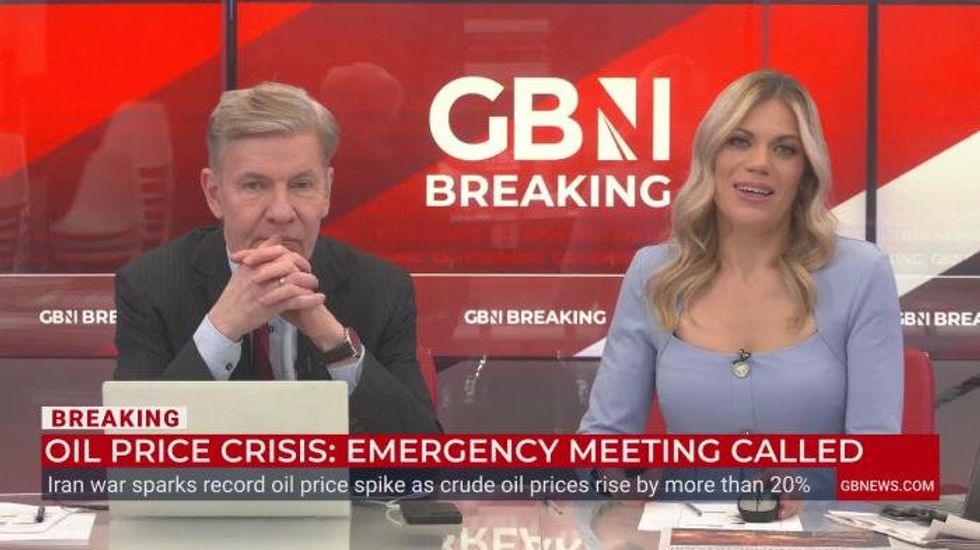
Petrol and diesel drivers across the UK could face emergency measures over the coming weeks as the Government prepares for a potential fuel crisis. Reports suggest the Government has been warned of a "significant shortfall of supply" of fuel in the next eight weeks in response to the situation in the Middle East. In response to these fears, the National Emergency Plan for Fuel (NEP-F) has been sent to ministers and proposes a number of changes to mitigate any potential fuel crisis that could arise. The Telegraph reports that this could include "light-handed" measures, including speed limit restrictions, that would see motorways operate at 50mph. TRENDING Stories Videos Your Say The latest data from RAC Fuel Watch shows that drivers are paying 141.75p per litre for petrol, while diesel costs have soared to 161.2p, both marking 18-month highs. Since the killing of Iran's Supreme Leader Ayatollah Ali Khamenei on February 28, unleaded has jumped almost 9p in price, while diesel has been hiked by 18.8p per litre. Labour has attempted to stop any unnecessary profiteering and exploitation at the pumps from retailers by calling in the Competition and Markets Authority (CMA) to investigate. Fresh data shows that the average barrel of Brent crude oil costs $103.34 or £77.69, with experts warning that further instability will be seen over the coming weeks. Professor Nick Butler, who worked as a former adviser to Gordon Brown, warned of a potential shortfall of oil over the next two months. He highlighted how it takes a month for an oil tanker to travel from the Gulf to the UK, meaning a solid flow of resources from tankers could end in late March or early April. Iran has targeted the Strait of Hormuz in a bid to cripple global economies in response to the bombing raids by Israel and the United States. The Strait is one of the most crucial pinchpoints in the world, carrying around one-fifth of the global oil trade between Iran and the Arabian Peninsula. LATEST DEVELOPMENTS Thousands of drivers face huge new costs for licences and tests with fresh price hike Chinese cars join Motability scheme as Rachel Reeves axes 'high-end' vehicles from offering UK's largest car park operator set to 'enter administration' with 1,000 jobs at NCP at risk Professor Butler told The Telegraph that serious problems would arise if the Strait of Hormuz continues to be shut over the next two or three weeks. The NEP-F includes a summary of measures to control the supply and demand of fuel, which includes a "Designated Filling Station scheme". This would see emergency and critical service vehicles given priority access to road fuel, while the Maximum Purchase Scheme would restrict the sale of fuel at filling stations to a maximum amount per visit. The Organisation for Economic Co-operation and Development has hinted that the emergency plans include potential speed limit changes. Professional drivers could also see their hours shortened to cut down on the use of fuel if the oil industry requested a "confined time period". Simon Williams, head of policy at the RAC, said diesel drivers are facing the heftiest charges, with prices soaring to the highest price since early November 2023. He added: "The average cost of filling up a 55-litre family car with diesel is now £88, whereas for petrol it's £78. "RAC analysis of wholesale fuel data shows that petrol is now likely to rise in the next week or so by another 3p to an average of 145p a litre and diesel by 9p to 170p." Our Standards: The GB News Editorial Charter