


 Business Recorder
 India: Cooking gas crunch hits home
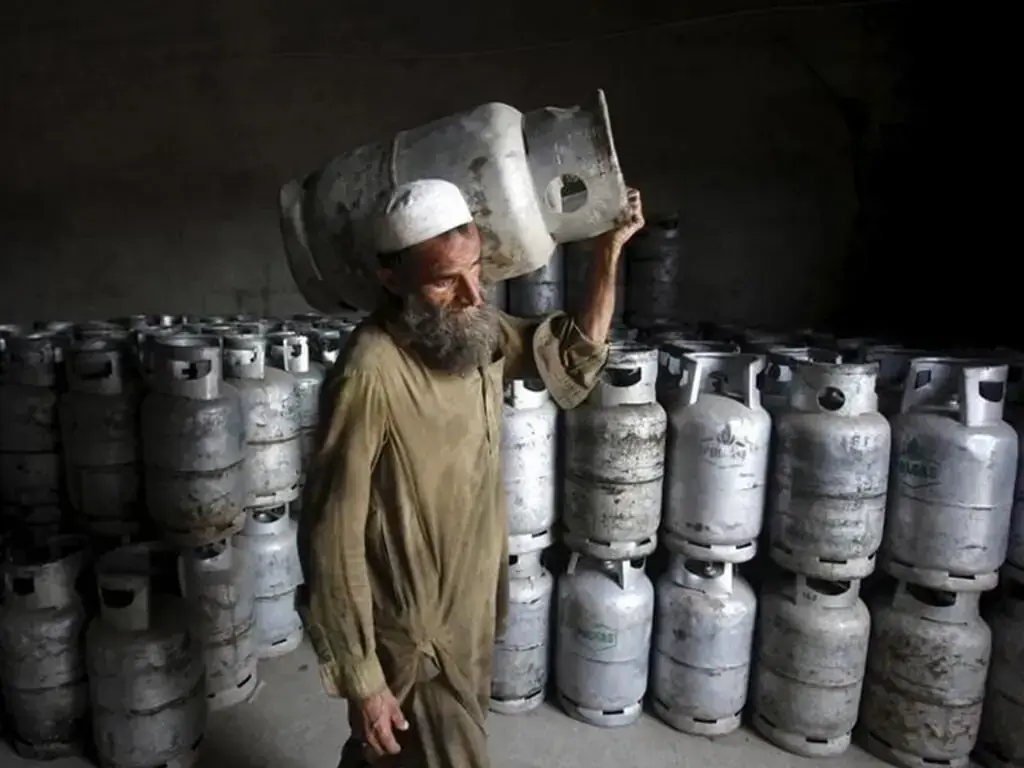
War in the Middle East is straining supply of a fuel that has become indispensable to millions of Indian homes, laying bare how deep an impact geopolitics can now have on everyday lives anywhere in the world. This week, India File looks at the struggle by households and businesses to adapt to the cooking gas supply crunch, and what it could mean for the future of India’s energy mix - and its kitchens. Plus, what began with a string of suspiciously similar bids for state contracts ended with an antitrust probe that exposed a decade of alleged collusion among some of India’s biggest cement makers. INDIAN KITCHENS FALL VICTIM TO A DISTANT WAR A conflict thousands of kilometres away is suddenly dictating what households can cook and what restaurants can serve as LPG supplies tighten across India. India’s LPG consumption declines due to shortages in wake of Iran war The U.S.-Israeli war with Iran has disrupted shipping through the Strait of Hormuz, a critical route handling about a quarter of daily sea-borne energy supplies, including those bound for India, resulting in the South Asian nation’s worst gas crisis in decades. New Delhi has invoked emergency powers, directing refiners to maximise LPG production after state-owned Indian Oil Corp raised the price of a standard 14.2 kg household LPG cylinder by 7% in Delhi, the first increase in about a year. The government also restricted LPG supplies for industry to ensure households have enough gas for cooking. Restaurants nationwide are warning of disruptions as commercial gas cylinders become harder to secure. India tells LPG users to switch to piped gas wherever possible “We have LPG stock for two days. We are working on contingencies,” said Bert Mueller, founder of Mexican food chain California Burrito. “We are conserving gas and installing induction stoves at certain stores.” Hostels and factory canteens are simplifying meals to stretch limited fuel supplies. Meanwhile, households are taking their own precautions, with daily booking requests for LPG cylinders spiking as people rush to secure refills. “Panic booking and hoarding behaviour have been driven by misinformation,” said Sujata Sharma, joint secretary at the oil ministry, in an appeal for calm. Retailers report a surge in demand for induction stoves and electric cooking appliances as households look for backup options. Preliminary data suggests the supply chain dislocations are already reshaping consumption patterns: State fuel retailers sold about 1.15 million tonnes of LPG in the first half of March, down 17% from a year earlier and 26% from the previous month. LPG DEPENDENCE REVEALS DEEP VULNERABILITIES The cooking gas squeeze is exposing a deeper vulnerability in India’s energy system. Mounting gas shortages disrupt some steel plants at India’s JSW, one unit may face shutdown LPG consumption has surged over the past two decades, transforming from a largely urban fuel into a near-universal household necessity as a result of subsidised rural connections under the Pradhan Mantri Ujjwala Yojana initiative. Household LPG connections have more than doubled since 2014, lifting annual consumption to more than 30 million metric tons, government and industry data show. At the same time, pricing has become increasingly linked to global markets, leaving households far more exposed to international supply shocks. A standard cylinder that cost around 250-300 rupees in the mid-2000s now sells for about 913 rupees in Delhi. India is diversifying supplies by securing cargoes from the United States, Norway, Canada and Russia, but the crisis highlights a structural gap: The country maintains strategic crude reserves but has no comparable strategic reserve for LPG, even though some 333 million households depend on it. New Delhi is trying to leverage its relationship with Tehran to give some two dozen of its ships - six of them laden with LPG - safe passage through the Strait. However, sources say Iran wants two tankers that India seized last month in return, along with medical supplies. At the policy level, the government is encouraging alternatives that could gradually reduce dependence on gas cylinders. Millions of urban households already have access to piped natural gas connections, and officials say several million LPG users could shift relatively easily. Are Indian households beginning to move beyond the LPG cylinder, or is this just a temporary reaction to the global energy shock? The deepening Middle East conflict has darkened the outlook for Asia’s third-largest economy, with Citi Research and Nomura trimming their year-end targets for the Nifty 50, citing rising risks to growth and earnings. They say the petrochemical and fertiliser industries are most exposed given India’s dependence on imports from the region. THIS WEEK’S MUST-READ India’s antitrust watchdog has found evidence that three of the country’s cement makers colluded over a decade to rig bids for state-run Oil and Natural Gas Corporation tenders, coordinating prices, divvying up orders and attempting to lock out foreign competitors. A confidential investigation reviewed by Reuters uncovered a pattern of identically priced bids over multiple projects, which one executive sought to explain away as simply his “lucky number”.