


 Guardian Science
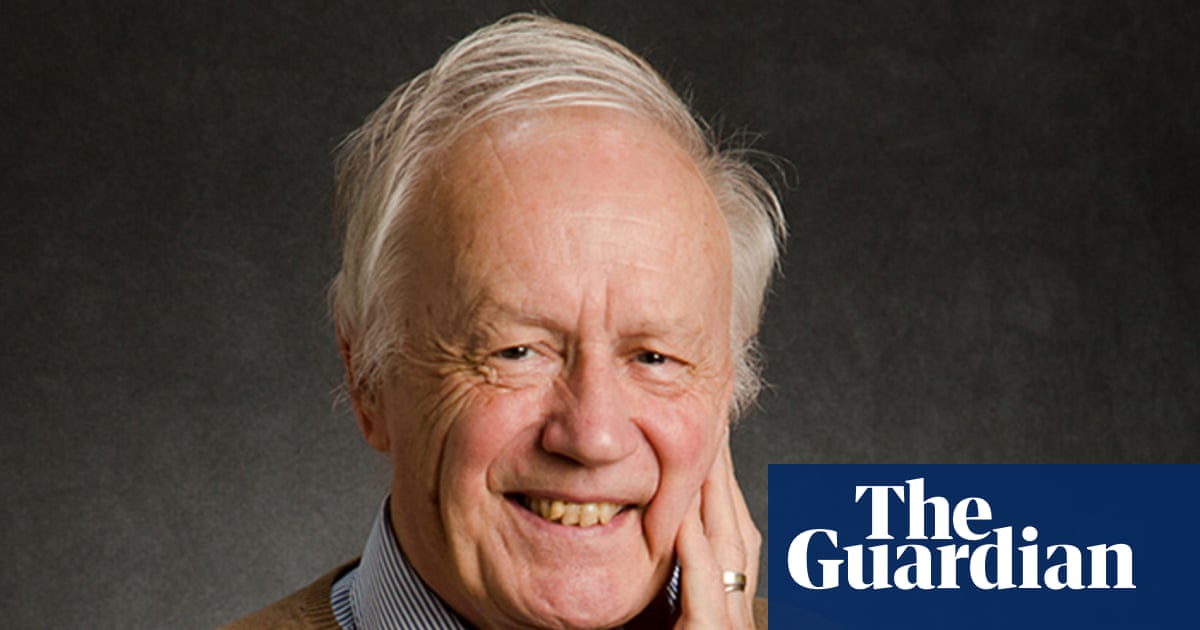
 Sir Anthony Leggett obituary
Physicist who won a Nobel prize for his work on superfluids and superconductors at Sussex University in the 1970s The launch in the 1950s of Sputnik, the world’s first artificial satellite, played an unexpected but important role in propelling Anthony Leggett towards his 2003 Nobel prize for physics. Leggett, who was to become a world-leading researcher in the field of low-temperature physics, had, in 1959, just graduated in greats, a combination of classical literature, ancient history and philosophy, at Balliol College, Oxford. A career in classical academia or the civil service beckoned. Leggett wanted neither. His academic aspirations had changed and his desire now was to become a physicist in order “to make meaningful conjectures about the way the world works”. However he would have had little chance, financially, of pursuing a second undergraduate degree straight after graduating had it not been for the launch by the Soviet Union of Sputnik 18 months earlier. Continue reading...