


 Ruptly
 A burden not their own - Environmental activists in Ouagadougou sound alarm over 'lived experience' of climate change
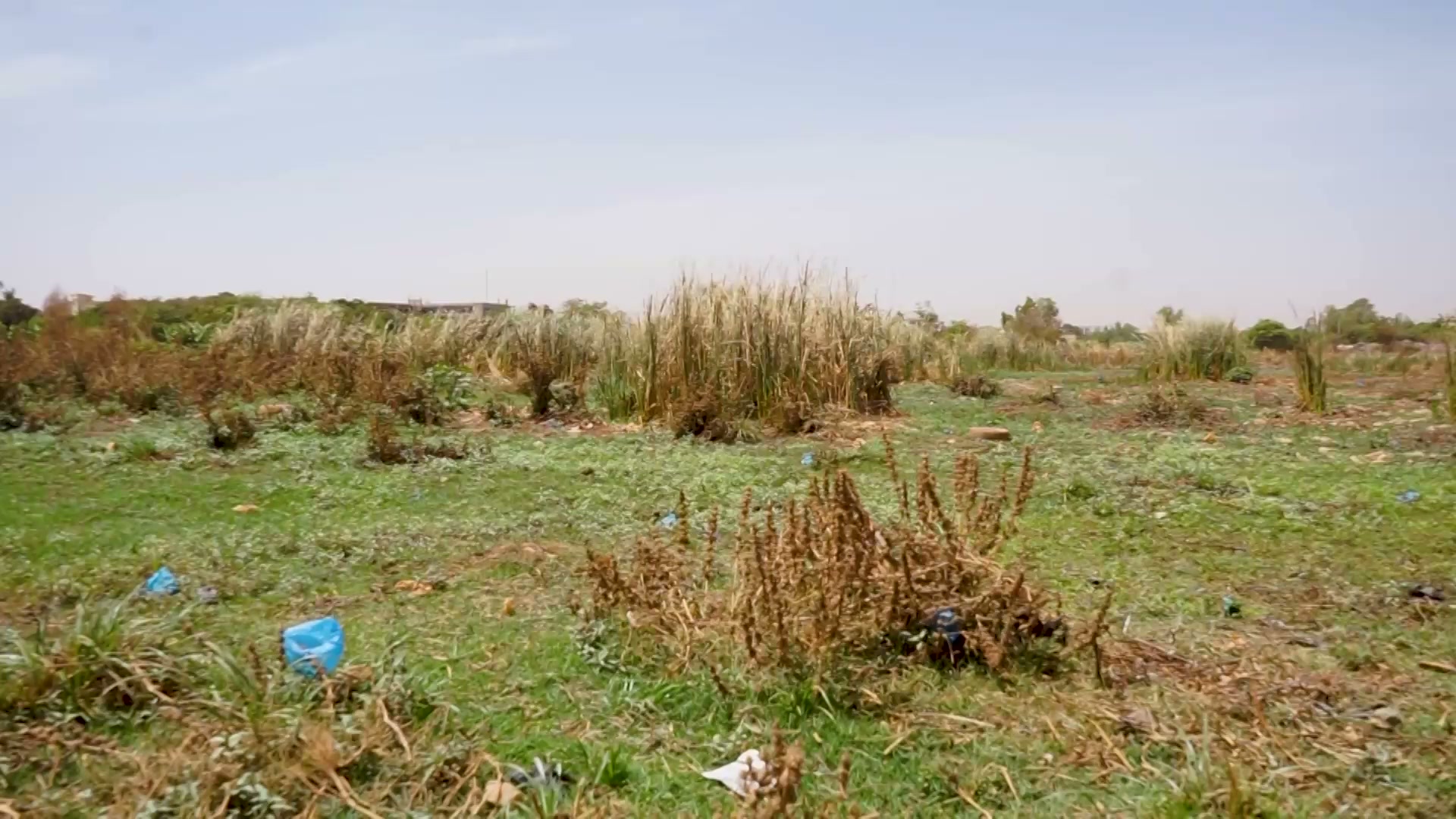
"Residents of Burkina Faso are confronting a harsh climate reality that goes beyond forecasts and scientific reports, becoming a daily struggle. The country faces tangible impacts of climate change, including disrupted seasons, water shortages, and food insecurity. Footage captured in Ouagadougou on Saturday shows the severity of the situation in the city’s suburbs, showing dried-up lowlands, dead grass, and parched water drainage canals. In the capital city temperatures are no longer just numbers. Mahamadi Ouedraogo, President of the association 'Etre utile, agir utile', noted that during the dry season, temperatures can sometimes reach 45°C (113°F) in the shade. "These climate changes are having a very real impact. This isn't just imagination; it's our lived experience, and we are forced to find ways to build resilience," Ouedraogo said. Faced with this challenge, 'Etre utile, agir utile' has launched reforestation projects aimed at fostering an ecological mindset among residents. "The idea is to ensure that people develop the habit of planting trees and looking after them," he added. The Secretariat of NGOs (SPONG) is mobilising funding to support local communities. "We launched the 'Communities Regreen the Sahel' programme, specifically the CRS programme. We set up quite a few programmes, and now we provide cascading funding to the umbrella organisation's members," said Fatmata Bance, SPONG's programme officer. Bance added that major polluting nations have the resources to adapt and respond, while developing countries - carrying the heaviest burden - lack such capacity. "That is why we are talking about climate justice today. In other words, those who have contributed most to the problem must also contribute more to the solutions," concluded Saoudata Sawadogo, coordinator of CONAJEC. Burkina Faso, situated in the heart of the African Sahel, is a stark example of climate injustice, suffering the worst impacts of global warming despite minimal contributions to carbon emissions. Each year, accelerating desertification destroys thousands of hectares of arable land, putting 80 percent of the population, largely dependent on rain-fed agriculture, directly at risk from drought, food insecurity, and escalating conflicts over scarce water resources."