


 iefimerida
 PM Mitsotakis to underline citizens' purchasing power as a guideline at Euro Summit on Thursday
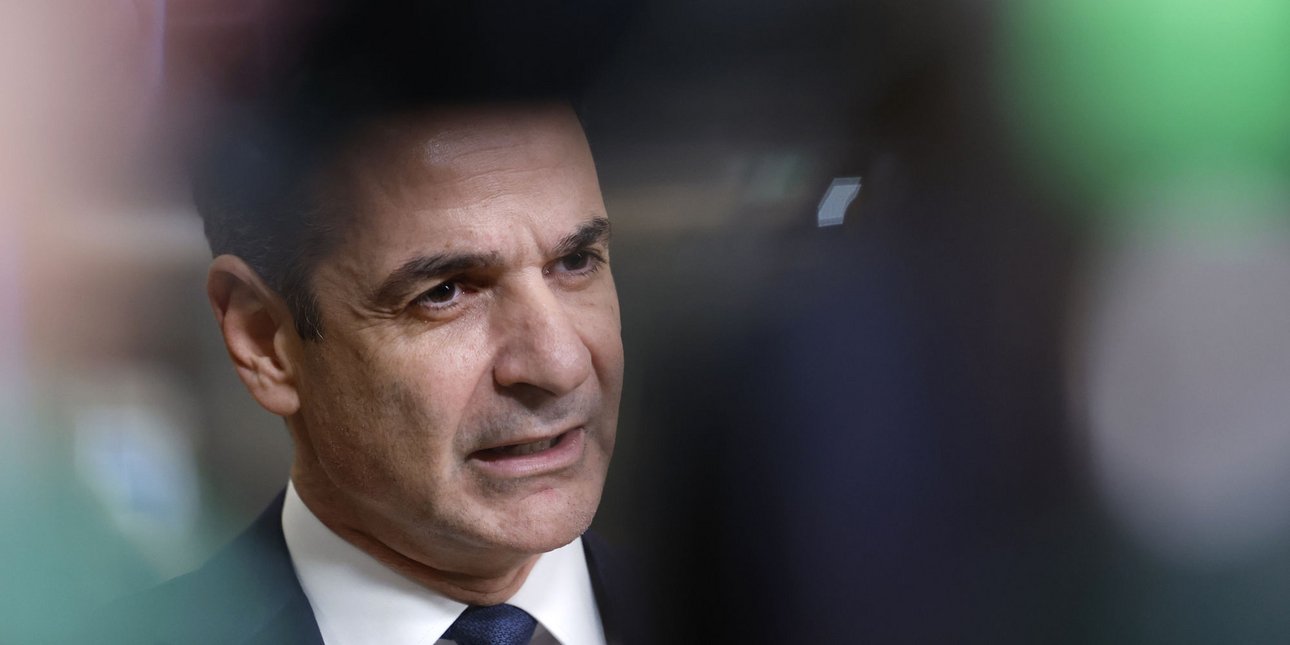
Citizens' purchasing power, which is the other side of competitiveness, is expected to be underlined by Prime Minister Kyriakos Mitsotakis at the Euro Summit meeting in Brussels on Thursday, as a rule to go by, government sources said on Wednesday. The agenda of the European Council Summit meeting includes EU competitiveness, the Multiannual Financial Framework, the situation in Ukraine, the latest developments in the Middle East, their impact and European reaction, European security and defense, and the migration issue. PM Mitsotakis is expected to say, according to information, that Europe must rely on the lessons gained from the 2022 energy crisis following the invasion of Ukraine by Russia. The same sources said that Greece is favorable to proposals set out in a letter to EU leaders by European Commission President Ursula von der Leien, "however, nobody must overlook the fact that the crisis today begins from a different base - higher natural gas and gas emission prices - and proposals should not be adding further burdens." In terms of the war in Iran and the Middle East, the Greek premier will stress that the defense support that Greece provided to the Cyprus Republic first and other countries followed was an expression of European solidarity in action - and that, without even activating article 42.7 of the Treaty of the European Union (TEU) on mutual support of an EU member under threat - which has set a precedent. At the same time, he will underline in the most emphatic way possible the geopolitical importance of the East Mediterranean. According to government officials, "Current developments in the wider region justify the prime minister, who has pointed out in statements to the European Council that the EU's defense strategy (and the EU's map of defense readiness) must involve a 360-degrees approach. That is, Europe must be ready to face threats not just in the east, but also at the southern flanks of the EU. European security is directly linked to developments in the Middle East, as shown by the example of Cyprus, an EU member-state which is facing security threats." Greece's stance is that the EU should aim toward a diplomatic solution with Iran that will manage all aspects, particularly that of Tehran's nuclear and ballistic program. The same officials underlined that Greece does not get involved in war operations and does not intend to do so at the Strait of Hormuz, something the Greek premier has already pointed out. In addition, and on the occasion of the discussion on the possibility of expanding the order for the 'Aspides' operation, they reminded that in the end, at the European operation in the Red Sea, it was only Greece and Italy that contributed forces, a disappointing precedent that should not set the bar of expectations very high. Διαβάστε περισσότερα στο iefimerida.gr