


 Ruptly
 'We will not accept blackmail' - Arab and Islamic ministers call on Iran to halt strikes and return to diplomacy
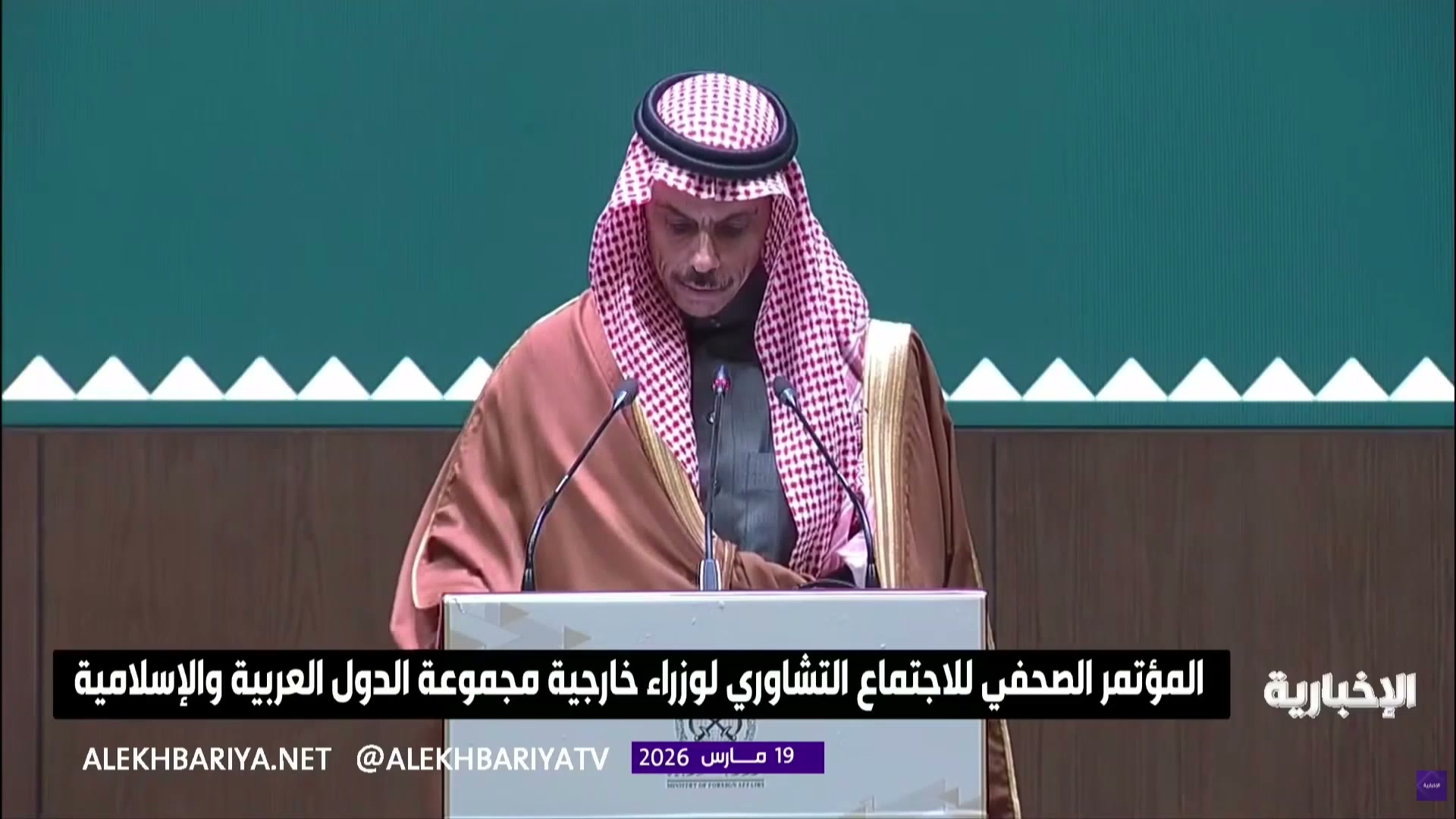
"Foreign ministers from Arab and Islamic countries on Wednesday called for an immediate halt to the 'Iranian attacks' on regional states, warning against further escalation. Speaking in Riyadh, Saudi Foreign Minister Faisal bin Farhan delivered the closing statement of the meeting, urging restraint and a return to diplomacy. “As we have repeatedly warned of the risks of continuing escalation policies, seeking to spare the region further tension out of our shared awareness and commitment to let wisdom prevail through peaceful solutions,” he said. “Iran’s insistence on violating the principles of good neighbourliness has eroded trust in it regionally and internationally. In this regard, we stressed the urgent need to immediately stop Iranian attacks and reject Iran’s attempts to shirk responsibility for these assaults,” the Saudi minister continued. Bin Farhan dismissed Tehran’s justification for targeting US bases in the region as a 'weak argument', adding that host countries had made clear their territories would not be used to launch attacks. “All these excuses and reasons are an attempt by Iran to cover up the strategic truth, which is that it is pursuing a policy of blackmail to achieve political goals. What I want the Iranian side to understand is that neither the Kingdom nor the Gulf states will accept blackmail,” he added. The minister also warned of the wider economic impact, saying: “This action cannot be justified for any military purpose; it is, once again, merely an attempt at blackmail. It affects not only energy markets, but also food markets.” The remarks come amid escalating regional tensions following joint military operations by the United States and Israel against Iran on February 28. Tehran has since launched retaliatory strikes targeting Israeli territory and US military assets across the region, with the conflict widening to include Hezbollah in Lebanon. Iran’s Supreme Leader Ali Khamenei was killed on the first day of the conflict and later succeeded by his son Mojtaba Khamenei. The crisis has disrupted key shipping routes, including the Strait of Hormuz, through which roughly one-fifth of global oil supplies pass, pushing prices above $100 per barrel and adding pressure to global markets."