


 Business Recorder
 Gulf energy attacks ‘unacceptable’, India says as supply fears mount
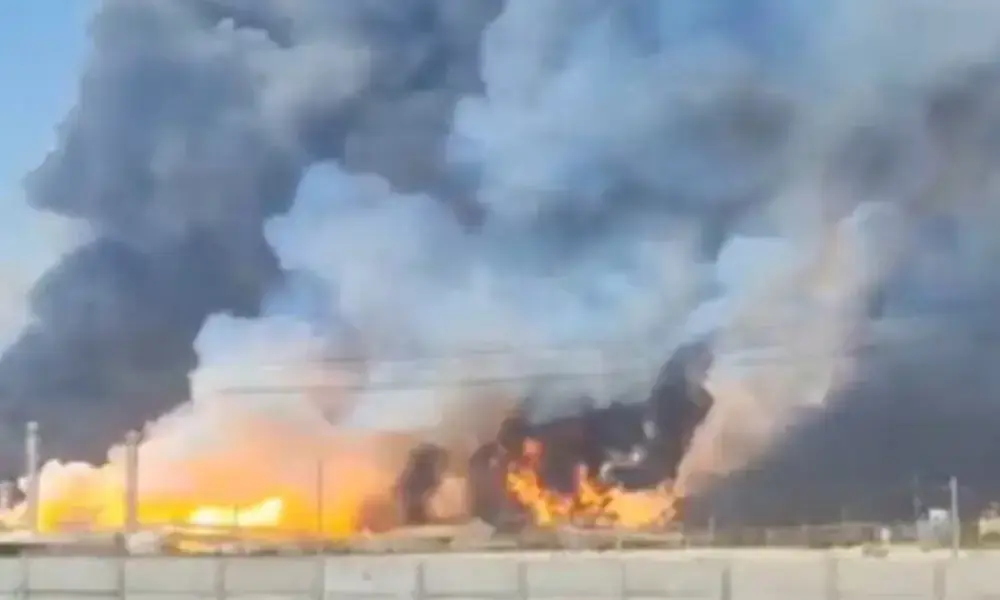
NEW DELHI: India condemned strikes on energy facilities in the Gulf as “unacceptable” on Thursday, warning they risk worsening global energy flows. Iran hit the world’s largest liquefied natural gas (LNG) facility in Qatar on Thursday in retaliation for an Israeli attack on its South Pars gas field. The assault on Qatar’s Ras Laffan facility has stoked fears of wider disruptions to fuel supplies, including for India, which relies on Qatar for over 40 percent of its LNG needs – crucial for power generation, industry, fertiliser production and household cooking. The latest strikes were “unacceptable and need to cease”, India’s foreign ministry said, reiterating New Delhi’s call to avoid targeting energy infrastructure. READ MORE: Trump vows no more attacks by Israel on Iran gas field after it ‘violently lashed out’ “Recent attacks against energy installations in different locations across this region are… deeply disturbing and only serve to further destabilise an already uncertain energy scenario for the whole world,” it said in a statement. With gas shipments already reduced, New Delhi fears a fresh supply crunch, rising costs and deeper economic strain across sectors dependent on steady imports. Qatar is one of the world’s top LNG producers, alongside the United States, Australia and Russia. Energy prices have already spiralled globally since tanker traffic through the Strait of Hormuz, which normally carries around a fifth of the world’s oil and LNG, was brought to a near-standstill by the threat of Iranian attacks. As many as 22 Indian ships with over 600 crew are stuck in the Gulf as the key energy corridor remains disrupted. Indian foreign ministry spokesman Randhir Jaiswal said the country’s energy supplies had already been impacted by the closure of the strait. “Now with the latest attacks our LNG supply is going to be impacted,” he told reporters during a news briefing in New Delhi on Thursday. “We are in touch with all the stakeholders there to see how best we can secure our energy needs and there can be unimpeded transit for our cargo.”