


 Business Recorder
 Petrol prices soar, hybrid and EV sales surge
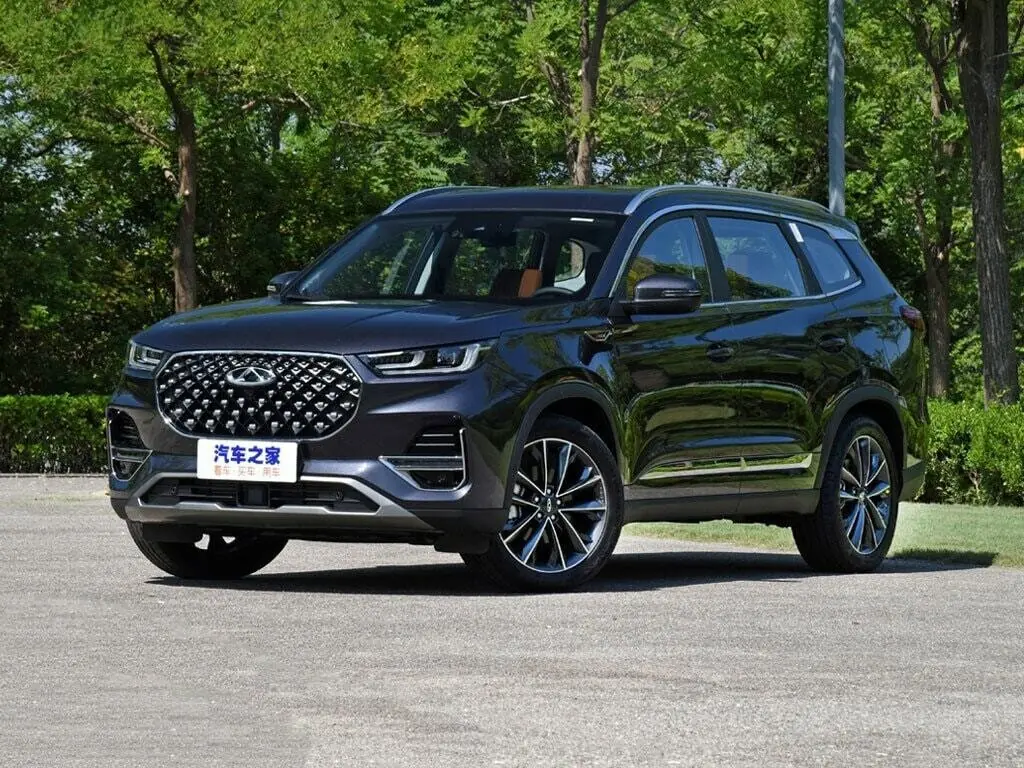
ISLAMABAD: With petrol prices in Pakistan hovering above Rs320 per litre, the economics of driving a sport utility vehicle are shifting sharply in favour of plug-in hybrids and range-extended electric vehicles, according to Syed Asif Ahmed, Director Sales and Marketing, Chery Master Pakistan. Pakistan’s latest official petrol pricing data shows ex-depot MS petrol at around Rs321 per litre, underscoring how vulnerable everyday mobility remains to imported fuel volatility. Ahmed said the discussion around new energy vehicles should no longer be limited to environmental positioning alone. “For Pakistani commuters, especially SUV users, this is now a straightforward economic decision,” he said. “When fuel prices rise to these levels, the cost of running a conventional petrol SUV becomes a serious burden on household budgets. PHEVs and REEVs now offer the most practical relief.” He said a typical petrol-powered C-segment SUV delivering around 10 kilometers per litre now costs roughly Rs32 per kilometer to run at current petrol rates. Even a conventional hybrid, at an assumed fuel economy of around 18 kilometers per litre, still works out to nearly Rs18 per kilometre. “A hybrid improves efficiency, but it still remains exposed to petrol price shocks,” Ahmed said. “The vulnerability is reduced, not removed,” Ahmed said argued that plug-in hybrids and REEVs change that equation because they allow most daily urban driving to be completed on electricity instead of petrol. Using the Chery Tiggo 9 PHEV as an example, he noted that the SUV carries a 34.46 kWh battery and offers a claimed 170 km pure electric range under the NEDC cycle. “At a household electricity tariff of Rs50 per unit, a full charge costs about Rs1,723,” Ahmed said. “Spread over 170 kilometres, that means a running cost of roughly Rs10 per kilometre.” He said this puts a plug-in SUV dramatically below a petrol SUV on day-to-day running cost, with savings of roughly Rs22 per kilometer, and still meaningfully below a conventional hybrid by about Rs8 per kilometer. He added that the advantage becomes even more compelling for urban families who already have rooftop solar systems at home. Pakistan’s rooftop solar market has expanded rapidly, with net-metered capacity rising sharply and cumulative rooftop solar installations reaching several Gigawatts by 2025, reflecting a major consumer shift toward self-generation. “This is where Pakistan’s energy transition and mobility transition start meeting each other,” Ahmed said. “A household that generates more of its own power is no longer just reducing its electricity bill. It can also reduce the cost of driving.” He said this makes PHEVs and REEVs especially relevant for Pakistani SUV buyers, who typically need space, flexibility and long-distance usability, but are increasingly under pressure from fuel costs. Unlike a full battery EV, he said, a PHEV or REEV offers electric-led commuting without forcing the customer to depend entirely on a still-developing charging network. Copyright Business Recorder, 2026