


 Guardian Travel
 ‘Tastes of salt, smells of coffee’: why Trieste is one of Italy’s best food cities
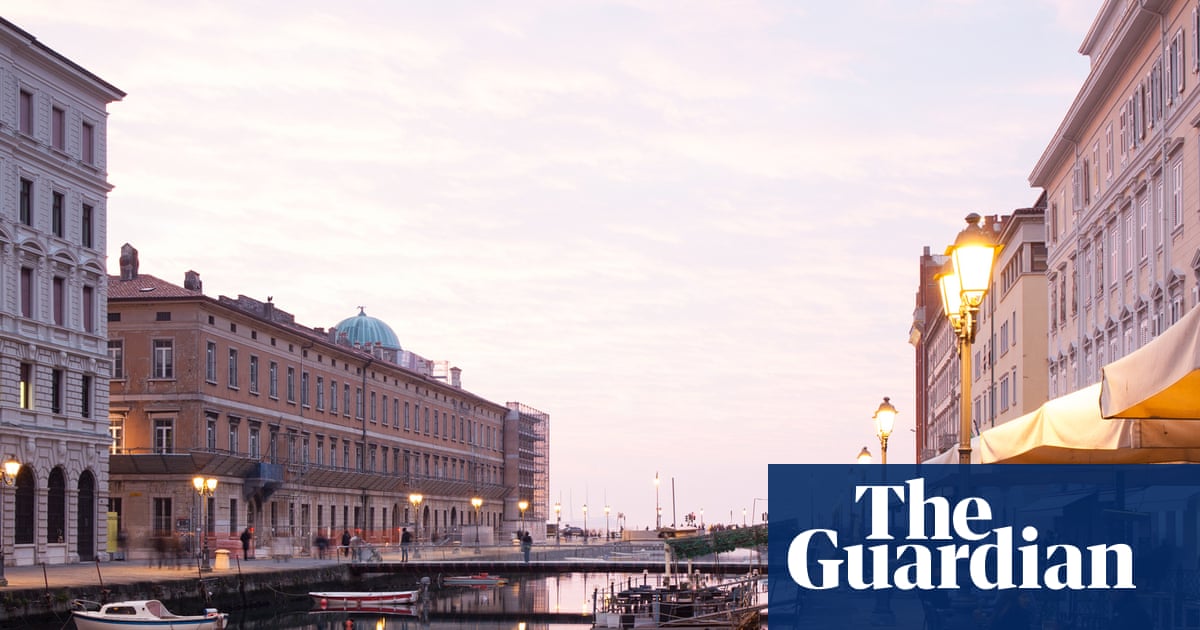
The historic port is a cosmopolitan gateway to global flavours and traditions. And it’s barely on the tourist trail. Take a tour … Many years ago, I swapped languages with a young woman from Trieste. It was during one of our half-English, half-Italian practice hours that she introduced the idea of Trieste, on a map, as possessing the shape of a stomach. She described her city (which is also a province) as being suspended: pressed by the sea on one side, enveloped by Slovenia and the Karst hills on the other, with a short oesophagus attaching it to the body of Italy. She also suggested I read la Conscienza di Zeno – Zeno’s Conscience – Italo Svevo’s devilishly funny hymn to procrastination, self-delusion and walking around in search of a suitable cafe, and warned me about the ruffian wind. It would be almost two decades before I finally visited Trieste, bringing with me enough anticipation to tempt disappointment (unfounded) and the itinerary of a food writer. I carried the image of a stomach too, fitting in so many ways for this remarkable food city, not least for making its geography vivid, which in turn explains so much about its history. Once a coastal fishing village, colonised by the Romans, raided by the Venetians, entrusted to the Habsburg monarchy in Vienna (for four centuries, which included a prolonged heyday), appended to the newly united Kingdom of Italy, fought over, briefly independent, handed back to Italy in 1954, from which point it developed into what is today one of the most outward looking and dynamic cities in Italy. Trieste, it seems, has digested and assimilated, meaning its complex history is reflected in the architecture, dialect, music, literature, sports, civic nature and multifaceted food culture: surely one of the most intriguing and rewarding in Italy. Continue reading...