


 Ruptly
 'Trump does not rule Honduras!' - Tegucigalpa residents slam US support for pres candidate Asfura, criticise US 'interference' ahead of elex
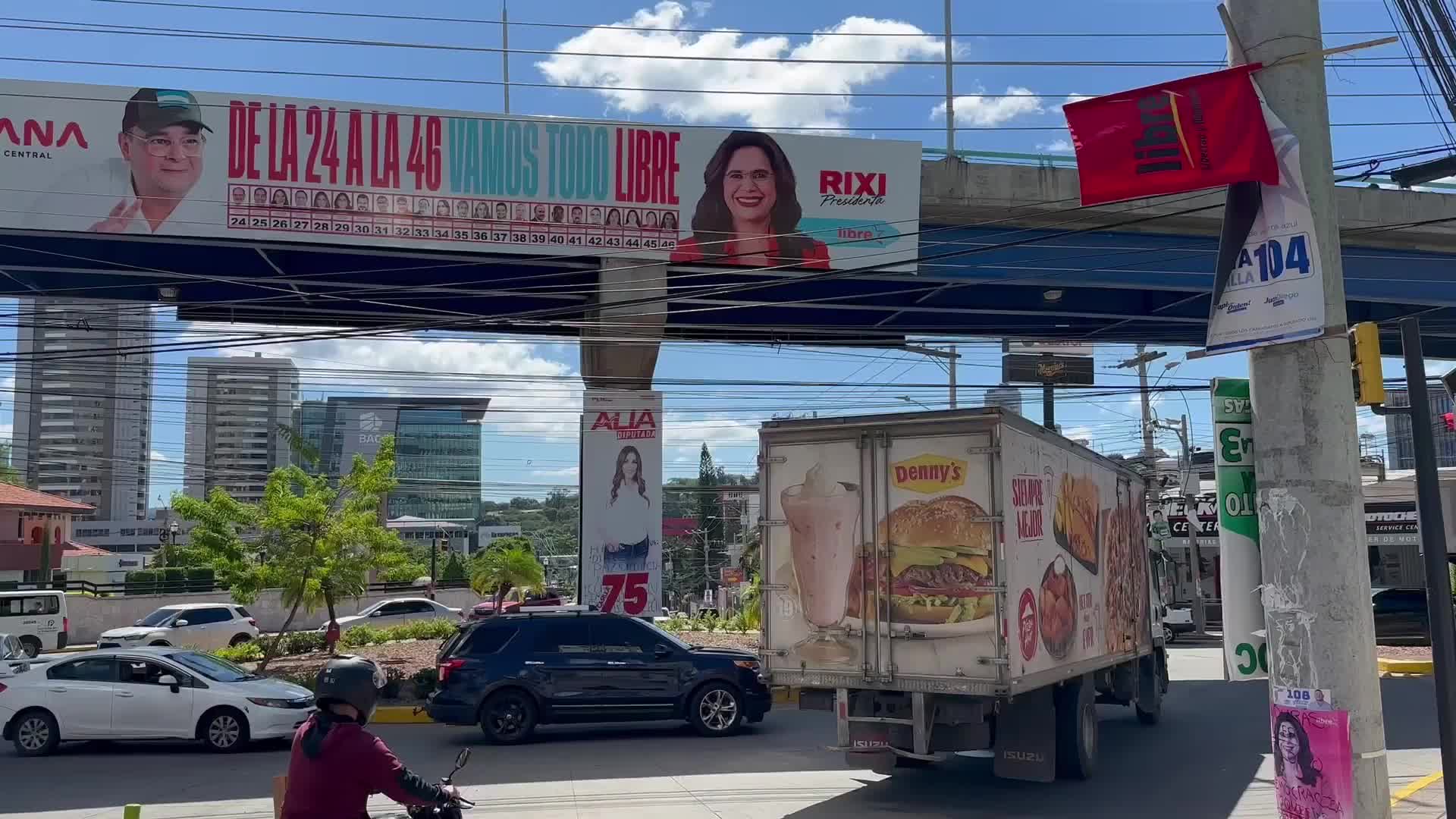
"Citizens in Tegucigalpa sharply criticised US President Donald Trump on Friday for endorsing conservative National Party candidate Nasry Asfura, accusing him of trying to directly influence Honduras' election ahead of Sunday's vote. Trump sparked controversy by openly backing conservative candidate Nasry 'Tito' Asfura and vowing to pardon former Honduran President Juan Orlando Hernandez, who is serving a 45-year US sentence for drug trafficking. "I consider that one should not go around meddling in the will of the people; everyone knows who they are going to give their vote to, but one cannot go around saying that, because that is a form of interference -meddling in the affairs of the country. And even worse, taking the side of a candidate, he [Trump] must be neutral," said a Tegucigalpa resident. "They [the Americans] absolutely have nothing to do with this country. We are the ones who have to decide, we Hondurans. Not them. They have to look after their own country. [...] So if he is saying that they should vote for 'Papi a la Orden' [Nasry Asfura], he is not the one who rules in our country," said another local. In a post on Truth Social, Trump also warned that US aid could be cut if Asfura loses, claiming Honduras would fall to 'communists' tied to Venezuela's Nicolas Maduro. A Honduran resident said the United States has 'always intervened' in the country's affairs, noting that US military forces continue to operate out of the La Palmerola air base in Comayagua. "The United States has always done it. I mean, they have always done it in different ways, the fact that now they are doing it more publicly [is another matter]. But they have always been here, here is Palmerola [military base], which has belonged to the United States," she said. More than 6.3 million Hondurans are set to vote on November 30 to choose the country's next president, with ruling-party candidate Rixi Moncada and opposition contenders Nasry Asfura and Salvador Nasralla leading in the latest polls. Voters will also select 128 members of the National Congress, 20 deputies to the Central American Parliament, and a wide slate of local authorities."