


 The Huffington Post
 Common Scent May Boost Your Mood, But Only In These Situations
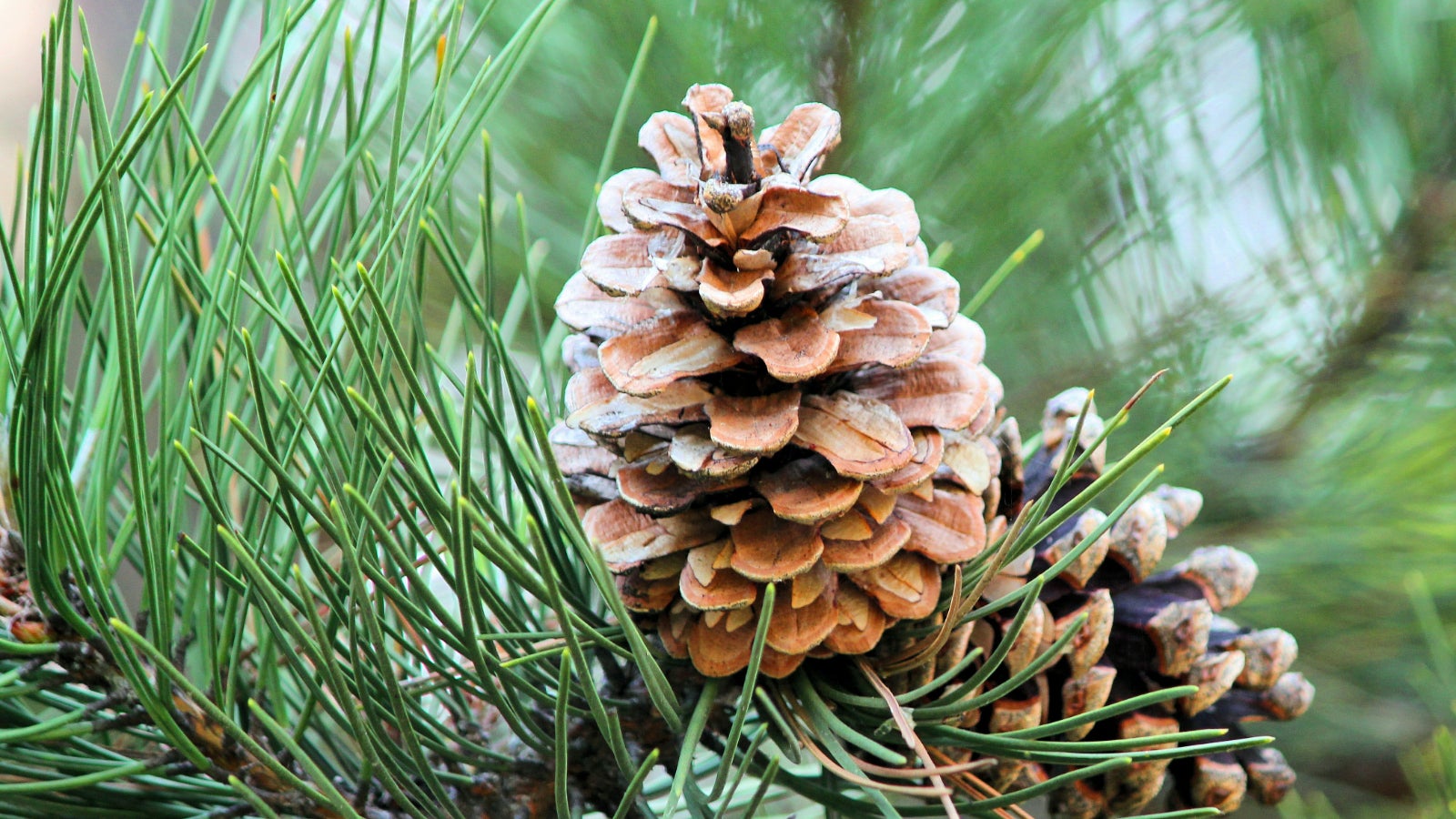
Some experts think that , be it through the placebo effect of plain ol’ distraction, eating sour sweets may help those with anxiety through stressful smells. And research suggests that the smell of mint can help those feeling tense, too. A more seasonal smell, pine, has been linked to increased activity in the areas of the brain responsible for “judgment, feeling, motor activity of the frontal lobe, as well as the memory area of [the] temporal lobe,” too. Speaking to the BBC, Baroness Kathy Willis, an Oxford University biodiversity professor, said that the smell of a pine forest can make you feel calmer in as little as 90 seconds; an effect which can last as long as 10 minutes. But a paper from 2001 found that while the scent of pine might soothe us, it only does so in certain contexts. Why might pine boost our mood? A 2022 paper reads : “Unlike other senses, smells are unique in the mechanism with which they affect cognitive processes, and subsequently our emotions, memories, and perceptions of the world around us”. That same paper said that woodland smells “affected multiple domains of wellbeing with physical wellbeing discussed most frequently, particularly in relation to relaxation, comfort, and rejuvenation” among participants. But the 2001 paper we mentioned earlier suggests the smell of pine trees might have a different effect on us than, say, a pine-scented cleaner. “Let’s say you have an essential oil, or a real tree or a chemical fabricated for a cleaning product. If a person is blindfolded and smells each of these samples, the perceptual experience would be the same,” neuroscientist at Brown University, Dr Rachel Herz, said she learned from the 2001 research she co-authored. Speaking to Popular Science, she added , “Where context really comes into play is in the interpretation. “If I’m standing in the bathroom opening a bottle of pine cleaner to clean the toilet, that pine smell is going to have a completely different connotation for me”. She continued, “You could consciously experience that nostalgia, but what’s going to happen first is you’re going to have that mood boost, and that happy feeling... Then you might reflect on a memory of a time you went camping as a child, for example, but that is not necessary.” In other words, the smell of pine, which Dr Herz describes as being very “psychological,” is likelier to boost your mood if you associate it with happy memories first. As a result, pine trees, which could remind you of Christmas, may make you happier than a whiff of pine-scented floor cleaner. Why do cleaning products smell of pine to begin with? A 2022 BMJ article argued that though “the scent of pine in the home may now be predominantly artificial and the forest itself is absent, a strong connection remains with historical concepts that associate pine odour with health and cleanliness”. That’s because, they suggested, “The influence of Germany as a pioneer of sanatorium treatment for tuberculosis led to mountainous and forested locations becoming seen as the ideal place for sanatoria”. Those seeking treatment for conditions like tuberculosis in the UK, they posit, were then exposed to the “borrowed” concept of “therapeutic pine-infused air”. And over time, doctors may have started to believe in an inherent cleanliness linked to the plant, a link that cleaning companies might have taken advantage of. Take health company Sanitas, they say, an 1879 advert from which reads: “The Health Giver; Or, the Pine Forest at Home”. The authors added, “The continued use of pine in cleaners suggests that it has remained an indicator of cleanliness and still considered to smell ‘good’, even if it is gradually being usurped by other smells or even products that promise not to smell at all”. Related... The Snack People Are Eating To Calm An Anxiety Spike Clothes Smell Musty After A Wash? This Could Be Why Yes, Some People Can Smell Ants – Here's Why