


 Ruptly
 'They accomplished something important' - Bamako residents relieved as fuel availability improves after weeks of disruption
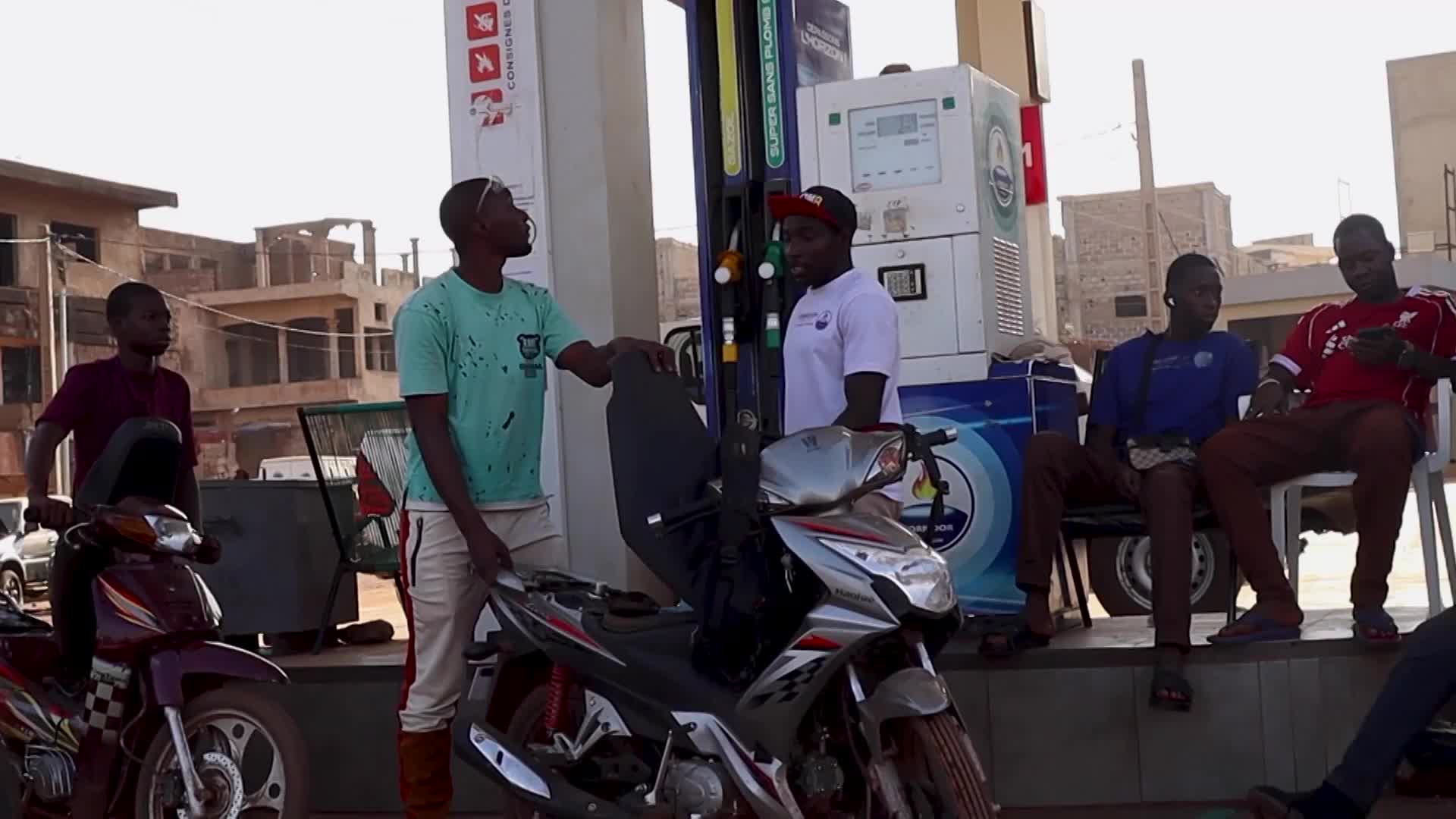
"Fuel availability in Mali has significantly improved, offering much-needed relief to commuters and restoring road traffic after weeks of severe disruption. Footage from Bamako on Sunday shows petrol stations operating smoothly. Meanwhile, road traffic has also resumed its usual pace, with dozens of vehicles driving around the city. Motorcycle taxi drivers, among the worst affected by the fuel shortages, have now resumed full operations. "We salute our authorities and all our acquaintances until the end of our days. They have accomplished something important, and we are convinced of it," said one driver, Aboubacar Sidiki Sangare. Sangare expressed support for President Assimi Goita, praising the Malian leader for fulfilling his promise of easing the fuel crisis. "He is a great man, and we trust him," he said. "We support Assimi today, and we will continue to support him tomorrow. He really does everything he says he will do, and he is a great man." "The fuel problem is over today and will be over tomorrow too. Petrol is easy to find, and that allows us to work without difficulty. We sincerely thank the authorities," he stressed. Vieux Samake, a biker from Bambra, said that during the shortage, one could spend two or three days at a petrol station without finding any fuel. "Previously, people had difficulty getting around on their motorbikes. Now, with just 500 CFA francs (0.88 cents US), you can easily take a motorbike taxi. Our hope is that this improvement will continue," he added. In late November, a donation of more than 80 fuel tankers from Niger reached Bamako in an effort to alleviate Mali's fuel shortage while advancing AES efforts of self-reliance and regional solidarity. The fuel delivery comes as Mali's fuel shortage disrupted transport and daily routines nationwide, leaving stations empty and creating long queues of waiting vehicles. It comes after JNIM militants reportedly escalated attacks and blocked fuel convoys from neighbouring countries, causing shortages and disruptions to transport and essential services."